





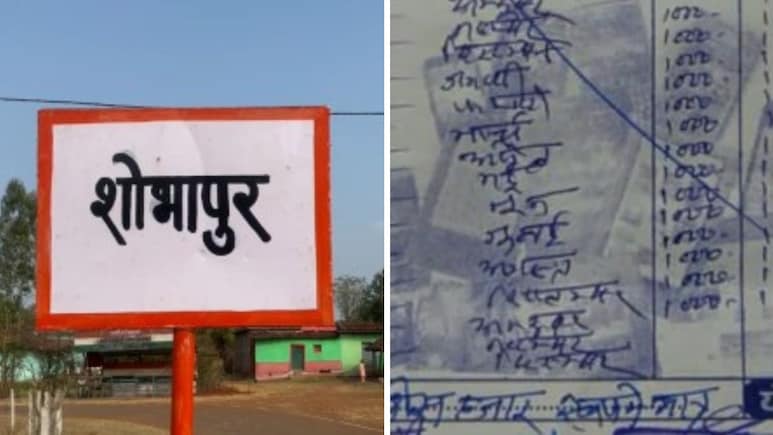
- Internet reimbursements have been claimed by a Madhya Pradesh panchayat for 36 months
- The rate at which they have been claimed was sanctioned only 12 months ago
- The sub-divisional magistrate of the tehsil has confirmed that he has received the bills, and promised action
When it comes to corruption, or alleged corruption, time is fluid - there is no future, no past, and the present is what you want it to be.
This, at least, is what a village panchayat in Madhya Pradesh's tribal-dominated Dindori district has proven with a mind- and time-bending feat.
In February last year, the Madhya Pradesh government increased the monthly allotment for spending on broadband and mobile internet for every panchayat from Rs 500 to Rs 1,000 a month and said it could be claimed by either the Gram Panchayat Employment Assistant or the Panchayat secretary.
In Shobhapur Gram Panchayat in Dindori's Bajag block, two bills were submitted in January this year, claiming Rs 36,000 as the internet reimbursement for 36 months. On the surface, this appears okay, but scratch even a little and the math does not add up.
Since the Rs 1,000 allowance came into force in February 2025, assuming that no bills had been submitted for the 12 months between then and January this year, the maximum legitimate claim can be Rs 12,000. This leaves Rs 24,000 as bills from the future, travelling to the past, claimed and sanctioned in the present.
When NDTV finally caught up with Amit Sahu, the shop owner whose name appears on the bills, the bubble burst. "They used to recharge their phones every month. I gave them blank bills with only 'recharge' written on them. What they filled in later, I don't know," he said.
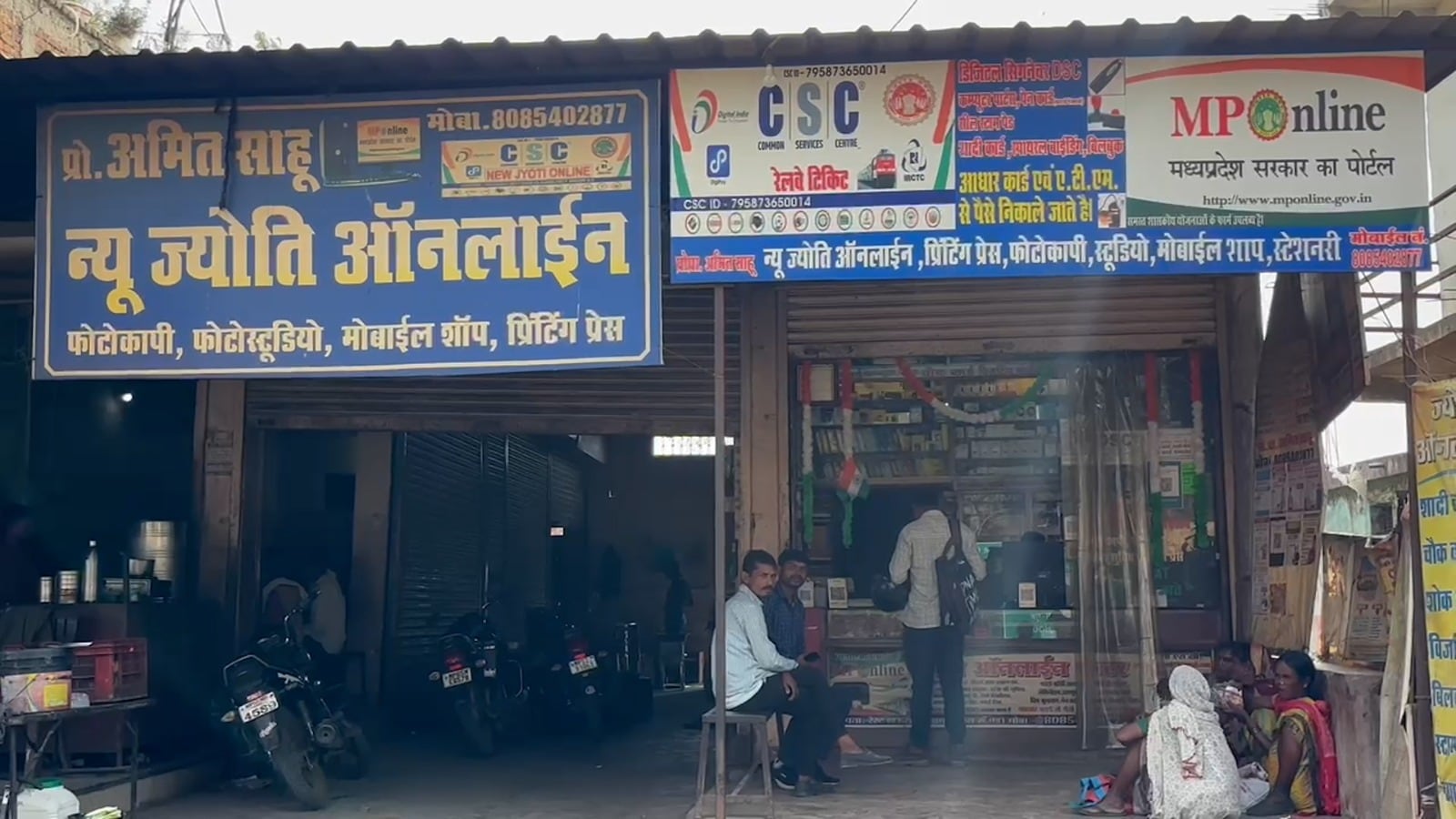
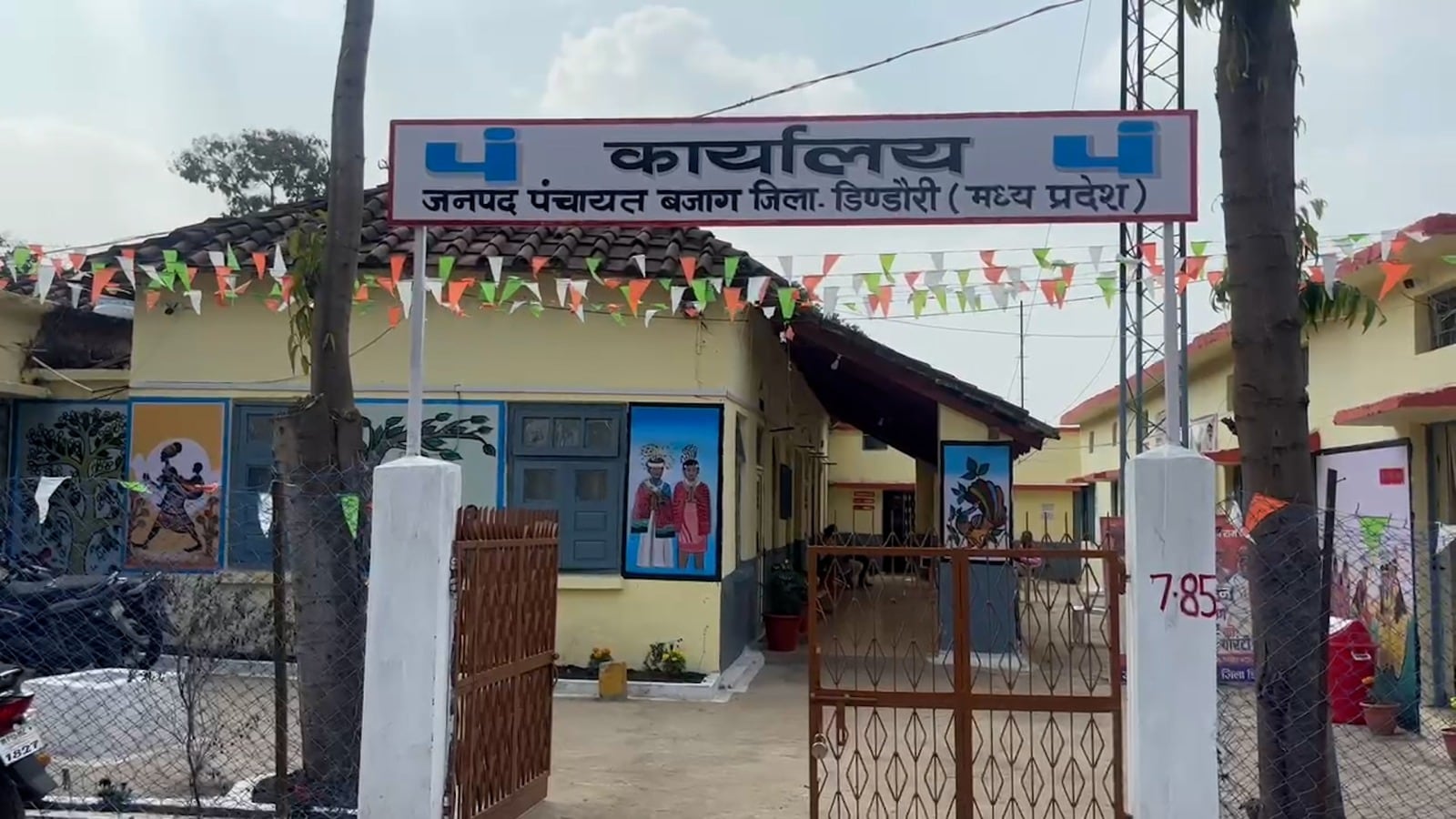
Rambabu Dewangan, in-charge CEO of Bajag Janpad Panchayat and sub-divisional magistrate of Bajag tehsil, confirmed that he had received the bills and promised action.
"I have received a copy of the bills. As per the provisions of MGNREGA, (Mahatma Gandhi National Rural Employment Guarantee Act) internet recharge payments are permissible, but this bill is against the rules. I am getting the matter investigated. If the facts are found to be correct, recovery will be initiated and action will also be taken," he said.
Last year, the Bhadwahi village in Shahdol district had made headlines for a different kind of data consumption - 14 kilograms of dry fruits allegedly consumed in one hour during a government water conservation event.
A Rs 24,270 hospitality bill under the Jal Ganga Sanvardhan Abhiyan listed cashews, raisins, fruits, milk and sugar, but NDTV's investigation revealed shopkeepers who didn't sell dry fruits, suppliers who sold cement instead of cashews, and villagers who recalled eating only 'dal-khichdi'. One resident summed it up neatly: "We ate khichdi. The files ate cashews and raisins."
Track Latest News Live on NDTV.com and get news updates from India and around the world

