





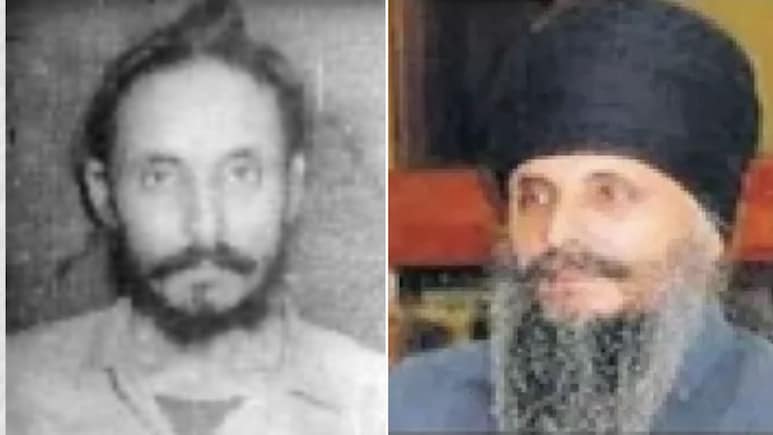
Once a transporter in Jammu, Ranjit Singh alias Neeta, backed by the Pakistan Inter-Services Intelligence (ISI), is now at the centre of the blast that took place near Punjab's Sirhind in Fatehgarh Sahib. Neeta is the self-styled chief of the Khalistan Zindabad Force, KZF.
A letter made the rounds hours after the blast on Friday, around 9:30 pm, which was issued in the name of the KZF's "chief sevadar" Ranjit Singh Jammu (Neeta), claiming responsibility and calling it a "trailer". The explosion left a cavity in the railway tracks near the Khanpur railway crossing in Fatehgarh Sahib district, and a safety officer as well as the loco pilot sustained injuries.
Sources said that the forensic report on the blast is awaited.
"This will shed light on the explosives used in the attack. The letter claiming credit for the blast suggests the KZF is behind it. Investigation is on," they said.
Sources also said that it is being investigated whether KZF operatives were behind it or some other group was using the terror outfit's name.
Since Operation Sindoor, cross-border smuggling of weapons and narcotics has intensified in Punjab, sources in the know of the matter said. "Pakistan suffered during Operation Sindoor, so now they have intensified ways to hurt India. Punjab shares a 553 km border with Pakistan. We are looking into whether the explosives used in this blast also came from Pakistan," another senior police officer said.
The attack came even as the Punjab Police has intensified the crackdown against extremists and gangsters.
ISI backed KZF's terror
The Khalistan Zindabad Force, a Sikh extremist outfit like others, seeks the creation of a Sikh state - Khalistan. KZF was formed in 1993 by Neeta who hailed from the Simbal camp in Jammu. Neeta, now in his 60s, had formed contacts with cross-border smugglers and also actively engaged in radicalising Sikh youth from Jammu and Kashmir, before crossing the border and fleeing to Pakistan. The KZF is a banned terror outfit.
Neeta, a "Designated Individual Terrorist" under India's Unlawful Activities (Prevention) Act (UAPA), faces multiple cases in India. Major terror cases against Neeta include the SBS Nagar grenade attack case launched at a police post in 2024. The National Investigation Agency, in its chargesheet, accused Neeta as a key conspirator in the attack. Moreover, he is also accused of coordinating the larger conspiracy from Pakistan with handlers in the UK. Neeta was also identified as the mastermind behind a KZF module, members of which were killed in an encounter in December 2024 in Uttar Pradesh's Pilibhit. The module was planning to launch terror attacks in Punjab.
Neeta is also named as the primary conspirator in the 2019 Chohla Sahib case, where drones were used to drop off arms and explosives, as well as fake currency from Pakistan. In December 2024, KZF also claimed responsibility for a petrol bomb attack on the house of Shiv Sena leader Harkirat Singh Khurana.
According to senior police officers, Neeta had started forming links with the ISI at the peak of the Sikh militancy. In the 90s, after he shifted to Pakistan for a safe haven, he is believed to have made a deal with the ISI to attack buses and trains moving from Jammu, Punjab and Delhi.
The KZF under Neeta was also involved in targeted killings including that of Sant Ramanand, a leader of the Dera Sach Khand Ballan in Vienna, Austria. The outfit also made a bid to target Baba Gurinder Singh Dhillon, head of the Radha Soami Satsang Beas, in Vienna in 2010. The terror outfit's members are also linked to the murder of Rulda Singh in Patiala in 2009. Neeta is also believed to have been involved in the killing of Deputy Superintendent of Police Devinder Sharma in Kathua district of Jammu and Kashmir in 2001.
His second in command, Amritpal Singh Romi, was killed in an encounter in 2000. Another associate, Christian-turned-Sikh Manjit Singh alias Kala alias Akaal, was killed in another encounter the same year. In the past, the KZF is also believed to have operated from Nepal. The Delhi Police had neutralised its Nepal module and arrested three key operatives in 2000. The KZF also has links to the Hizb-ul-Mujahideen (HM) and is believed to have had influence in Poonch.
Track Latest News Live on NDTV.com and get news updates from India and around the world

