



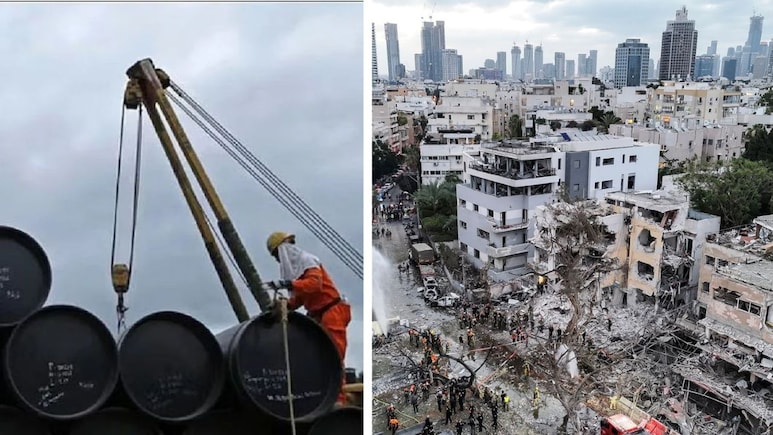
- India may increase Russian crude imports to offset energy supply risks from the US-Israel-Iran conflict
- Iran's closure of the Strait of Hormuz threatens 20% of global oil, impacting India's oil imports
- India is considering emergency measures like fuel export curbs and LPG rationing amid supply concerns
India could increase purchase of Russian crude to offset potentially large-scale energy supply volatility linked to the US-Israel-Iran war, government sources told NDTV Profit Tuesday. This comes after Tehran shut down the Strait of Hormuz, a chokepoint that carries around a fifth of the world's oil supply.
If it comes to that, increased Russian crude purchases will solve an energy problem but could re-open a diplomatic issue. Reduced dependence on Moscow for oil was one of the primary conditions attached to the interim tariff deal announced by India and the US in early February.
Specifically, Washington agreed to waive a 25 per cent 'penalty' tariff on assurances Delhi will scale back purchases from Russia and offset that by buying from the US or Venezuela.
Overall tariff relief – down from 50 per cent to 18 per cent – was also linked to this reduction.
No timeline was set for the switch.
Reverting to Russian crude at this time is a distinct possibility, though it will mean doing under renewed scrutiny from a Washington that had reserved the right to re-impose higher tariffs.
India's share of Hormuz oil trade is between 2.5 and 2.7 million barrels per day. This is nearly half the six million bpd (based on end-2024 figures) the country consumes every day.
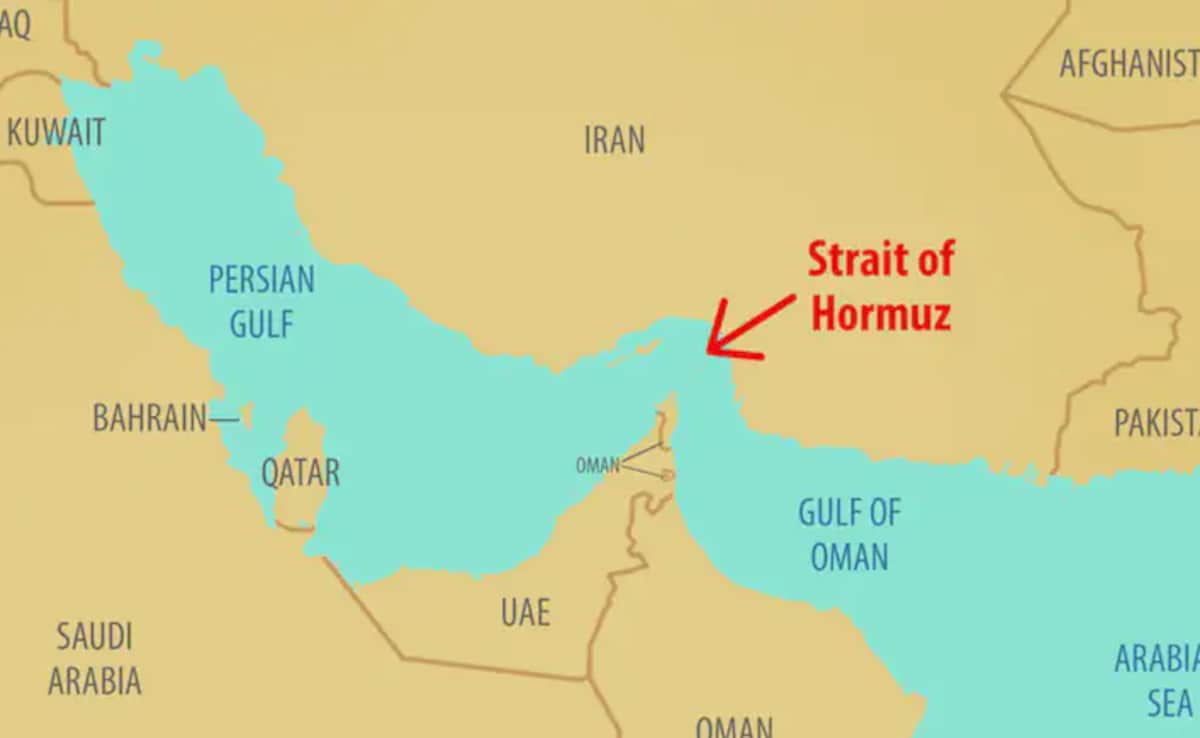
The Strait of Hormuz that is, de facto, controlled by Iran.
Government sources told NDTV Profit a series of 'emergency' measures have been proposed, which includes curbs on petrol and diesel exports and liquified petroleum gas, or LPG, rationing.
Reuters reported Indian companies had already reduced natural gas supplies to industries in anticipation of restrictions after top producer Qatar halted liquified natural gas production.
The cuts range from 10 per cent to 30 per cent, sources said, and will likely be needed since shipping via Hormuz also supplies India with 60 per cent of LNG imports and nearly all its LPG.
Overall, India imports around 89 per cent of its oil and 50 per cent of its gas needs.
Officials had said earlier India is unlikely to face near-term disruption in energy supplies.
On X Monday evening Petroleum Minister Hardeep Singh Puri said the government is "continuously monitoring" the situation in Iran and the wider Middle East region, and is poised to take necessary steps to ensure availability of "affordable fuel" in the country.
In view of ongoing geopolitical developments in the Middle East, the Minister of Petroleum & Natural Gas reviewed the supply situation for crude oil, LPG, and other petroleum products with senior officials from the Ministry and PSUs.
— Ministry of Petroleum and Natural Gas #MoPNG (@PetroleumMin) March 2, 2026
We are continuously monitoring the evolving… pic.twitter.com/N4tZHktXSM
Last month Puri told Parliament India's strategic reserves – which includes underground reservoirs in Andhra Pradesh and Karnataka, and a proposed third in Odisha, as well as reserves with oil marketing companies – can last between 74 and 90 days, depending on use levels.
READ | Will India Have Enough Oil If Iran War Escalates? Oil Reserves At A Glance
However, given the conflict in Iran and surrounding areas shows no sign of stopping at this time – US President Donald Trump told reporters of a four-week timeline – the government has begun planning 'what if' scenarios for the world's third largest oil user, behind only the US and China.
Iran's closure of the Hormuz – a commander in the elite Revolutionary Guard Corps declared Monday any ship trying to pass would be "set ablaze" – has set in motion a raft of fears over India's oil supply.
Analysts told Reuters India is seen as a vulnerable nation in this aspect.
This is particularly so since China has vastly larger reserves; Ajay Parmar, Director of Energy and Refining at ICIS, a commodities research group, said Beijing could draw on six months' stock.
For Asia as a whole, the risks are direct. Several major economies, including China, Japan, South Korea, and Taiwan rely heavily on oil from the Middle East. A hit to this supply could have knock-on effects on global supply chains, including the critical semiconductor industry.
Any prolonged disruption could affect production. Taiwan's factories produce most of the world's advanced chips, used in smartphones, electric vehicles and artificial intelligence systems. These facilities rely on stable electricity supplies. Backup generators are a short-term solution not designed for extended crises.
Track Latest News Live on NDTV.com and get news updates from India and around the world

