





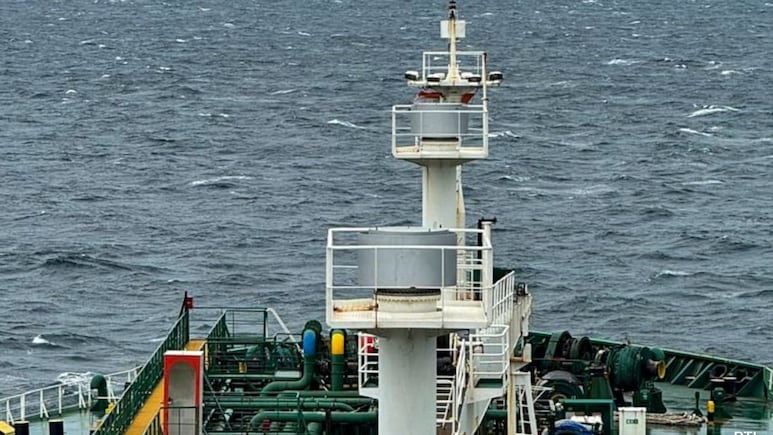
- Government stated no permission is needed to sail through the Strait of Hormuz
- Several Indian tankers have crossed the Strait amid the Middle East conflict
- Officials denied any agreement with Iran for tanker transit through the maritime chokepoint
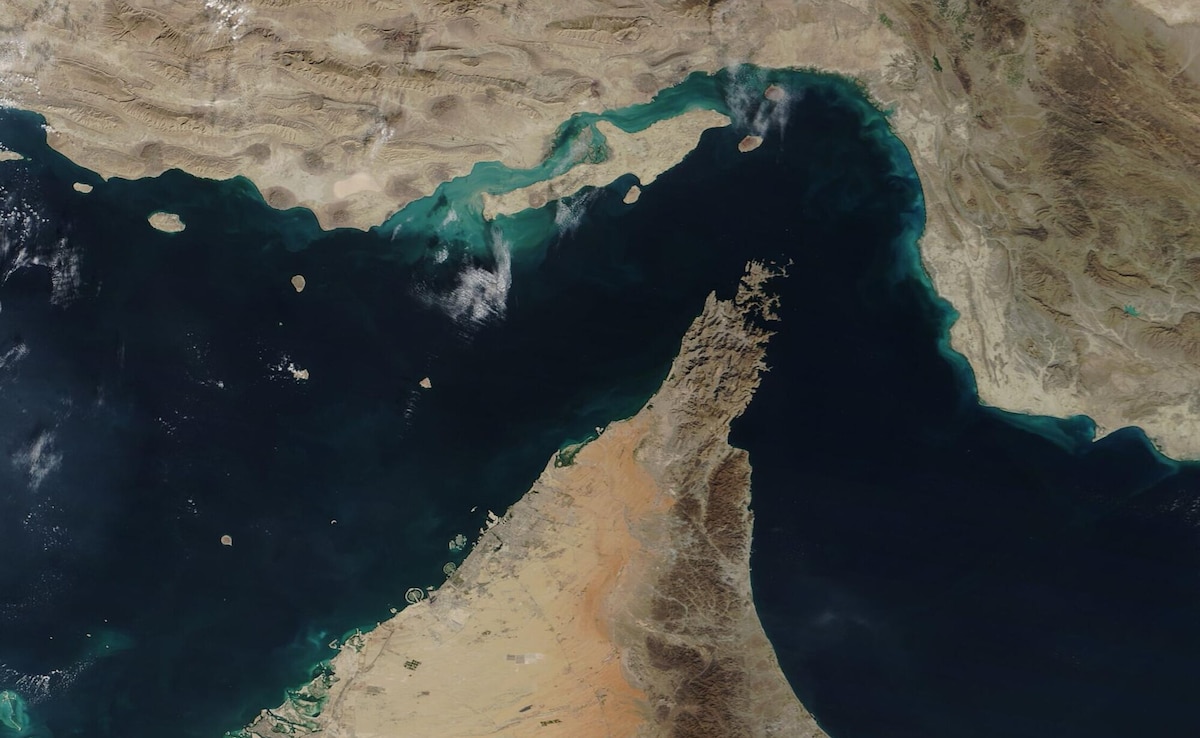
The Strait of Hormuz is an international waterway, and it doesn't need permission to sail through, the government asserted today, as several Indian tankers crossed the narrow strategic maritime chokepoint that remains out of bounds for hundreds of tankers amid the war in the Middle East.
The remark came in response to a question on if India had sought Iran's permission or paid for the transit of its stranded vessels carrying essential energy supplies that power India's kitchens and vehicles.
Since early March, in response to US and Israeli attacks, Iran has blocked the Strait of Hormuz for tankers that it claimed belonged to its "enemies", with incidents of Iranian attacks on ships also being reported from the region. Since then, several Indian-flagged tankers, including two yesterday, have crossed the strait.
Read: "Ensuring Strait of Hormuz Remains Open Is Essential": PM After Trump Call
Rajesh Kumar Singh, Special Secretary at the Ministry of Ports, Shipping and Waterways, rejected any suggestions that the Indian tankers crossed the strait after an agreement with Tehran, which controls the key maritime route in the war-hit Gulf.
Speaking at a media briefing on the developments in the Middle East today, Sinha said, "No permission is needed to sail through the strait." "There is freedom for navigation through the strait. Since the strait is narrow, only the entry and exit lanes are demarked, which need to be followed by shipping lines," he added, noting that it is managed by international navigation conventions.
The shipping companies and their chartering agencies handle the movement of ships through the strait after considering the safety aspect, Sinha said. "The decision to sail is taken between the shipping company and the one that has chartered the ship. It is the decision of the charterer and shipping company when to sail or when not to sail. No permission is required," the official added.
Read: Warships Escort 2 Indian LPG Tankers In Gulf Of Oman Day After Hormuz Transit
Indian Tankers Cross Hormuz
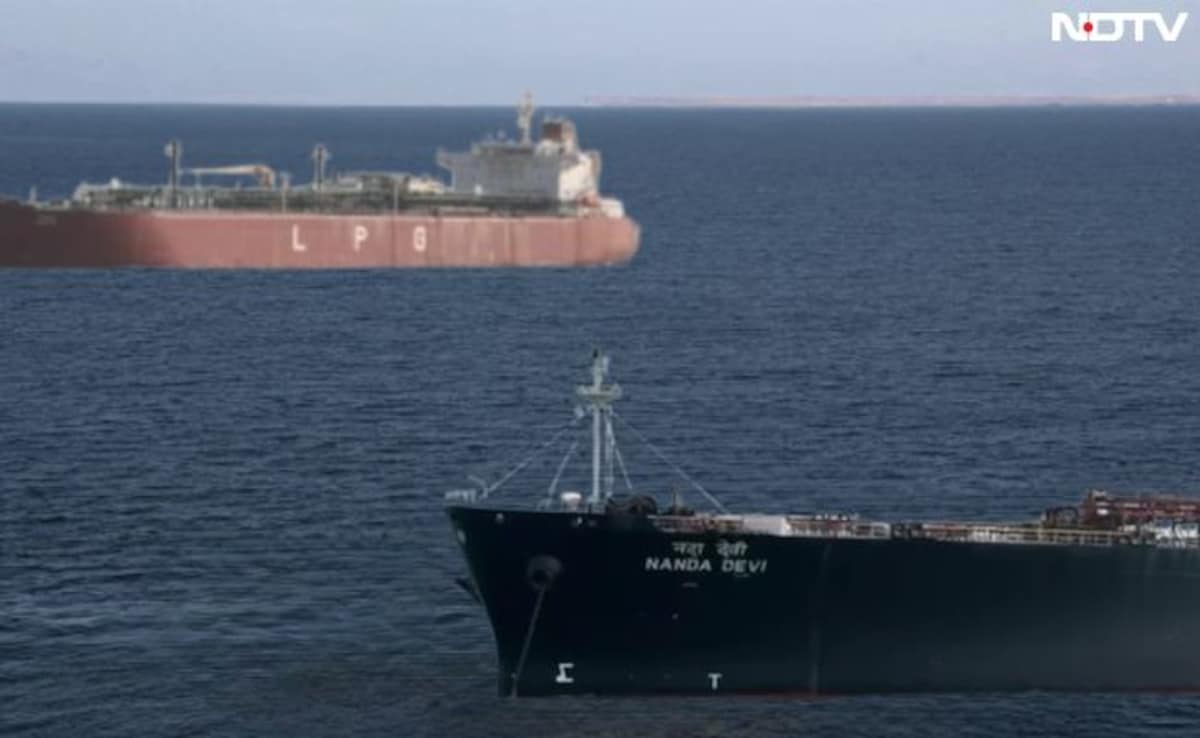
While the war in the Middle East had brought shipping traffic to a near halt in the strait, India saw several of its tankers cross the narrow chokepoint without any incident. The latest was that of two ships carrying the crucial cooking gas, scheduled to reach the Indian shores by Thursday or Friday with 92,612 tonnes of LPG.
The tanker, Jag Vasant, is carrying 47,612 tonnes of LPG and is expected to reach Kandla in Gujarat on Thursday, while Pine Gas is expected to reach New Mangalore port a day later. A total of 60 Indian sailors are on board the two tankers.
Currently, 22 Indian-flagged vessels remain in the war zone, of which 20 are on the west side of the strait, while two are on the east side. These include five tankers carrying about 2.3 lakh tonnes of LPG, Sinha said, adding that another empty tanker has started loading LPG.
Another is an LNG tanker, one with chemical products, four crude oil tankers, three container ships, two bulk carriers, and three are undergoing maintenance. These tankers are among nearly 500 vessels that remain in the Persian Gulf.
Track Latest News Live on NDTV.com and get news updates from India and around the world

