





Even as the escalating conflict in the Middle East triggers global concerns over supply chain disruptions, government sources have assured that India has adequate fertiliser stocks. Sources told NDTV that India has secured high stocks of key nutrients to ensure a smooth Kharif 2026 season.
The Iran conflict has disrupted traditional supply routes through the Strait of Hormuz, a vital corridor for global fertiliser shipments. This has pushed up the prices of crop nutrients such as urea and ammonia, raising import costs for major buyers.
In response, the government has moved swiftly to pre-pone imports and domestic maintenance schedules, anticipating that geopolitical uncertainty could tighten global markets.
As of March 13, India's fertiliser stocks are significantly fuller than they were during the same period last year. The current stock position suggests a comfortable cushion for farmers as they prepare for the summer crop.
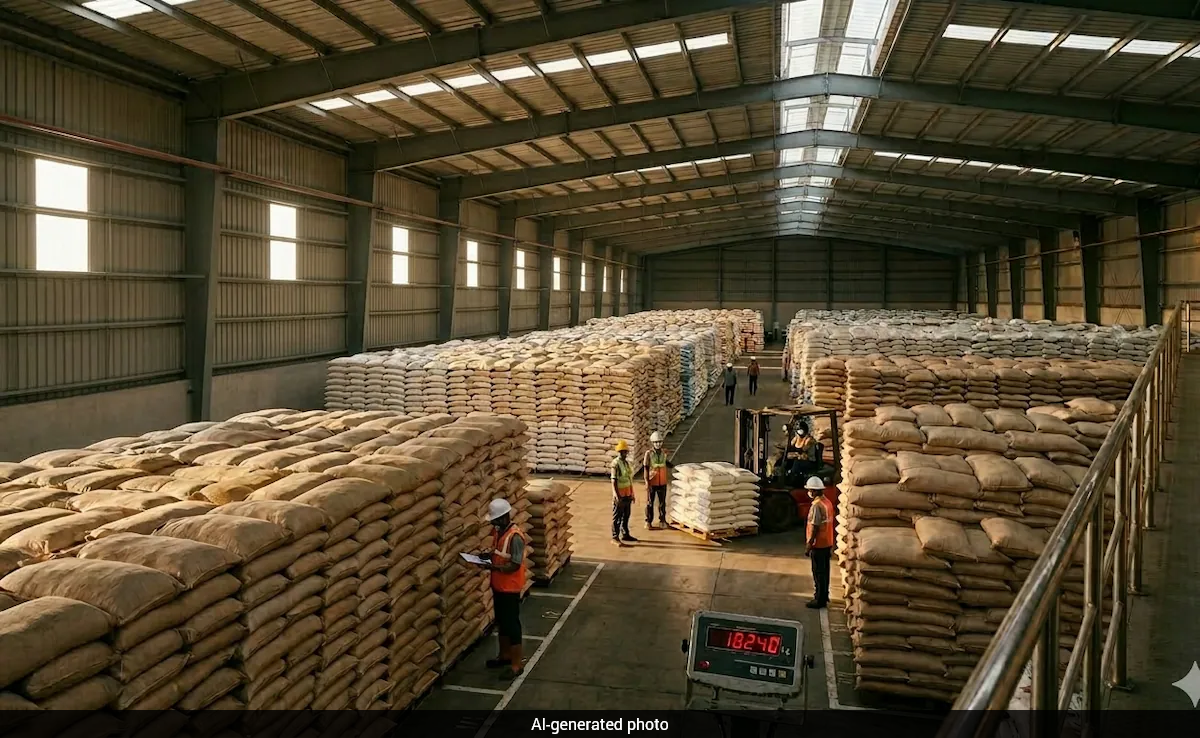
Urea stocks currently stand at about 62 lakh tonnes, roughly 10 lakh tonnes higher than the level seen last year, while DAP stocks are at 25 lakh tonnes, almost double the year-ago level. NPK stocks have reached a record 56 lakh tonnes, compared with 31 lakh tonnes last year, the sources said.
Domestic production is also expected to support availability. Normal urea production is estimated at around 25 lakh tonnes per month, though output in March is likely to be lower at around 17 lakh tonnes.
Spot gas procurement has been approved via the Empowered Pool Management Committee (EPMC), with GAIL scheduled to conduct the first phase of purchases by Tuesday.
Annual plant maintenance was moved up to March. This "preponing" ensures that production is optimised for gas use now, allowing plants to run at full capacity when demand picks up in May.
To hedge against the volatility in the Middle East, the government has adopted a proactive procurement strategy.
A global tender of urea, the most consumed fertiliser and one heavily dependent on natural gas as feedstock, was preponed. Out of the 13.5 lakh tons ordered in mid-February, nearly 90 per cent is expected to arrive at Indian ports by the end of March, sources said.
Despite the maritime risks in traditional shipping routes, India's supply lines remain robust, the sources indicated.
A five-year contract with Saudi Arabia for 3 million tons of DAP remains active with no force majeure declared.
Supplies of Urea, DAP, and NPK continue to arrive uninterrupted from Russia and Morocco via the Cape of Good Hope route.
The government expects stocks to reach "comfortable" levels before the peak demand starts on May 15, subject to a normal and timely monsoon.
According to official data, the government has already imported 98 lakh tonnes of finished fertilisers up to February 2026, with a further 17 lakh tonnes of shipments lined up for delivery over the next three months.
India imports around 30 per cent of its fertiliser requirement, with the Middle East accounting for 40 per cent of those imports.
Track Latest News Live on NDTV.com and get news updates from India and around the world

