





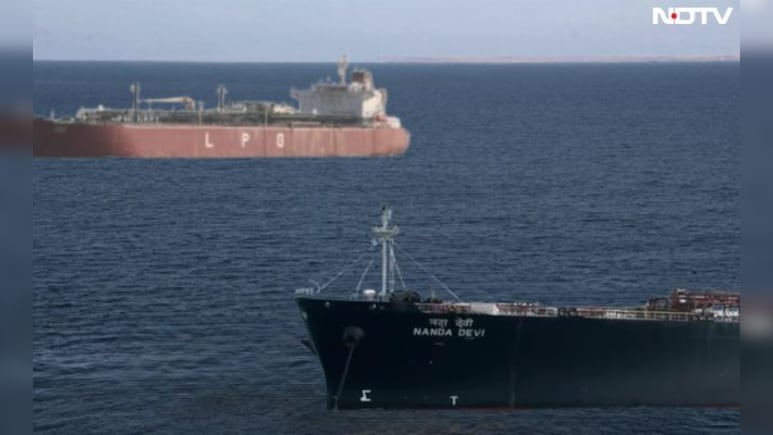
- Iran's control of Strait of Hormuz raises global energy crisis concerns due to oil supply risks
- India deploys naval warships in Gulf under Operation Sankalp to protect vessels and monitor region
- Three India-flagged vessels recently passed Strait of Hormuz carrying LPG and crude oil safely
Iran's attacks on the Gulf nations and its stranglehold on the Strait of Hormuz - the chokepoint that carries around a fifth of the world's oil supply - has given a rise to the increasing concerns of a global energy crisis. The sea passage, which connects the Persian Gulf to the Gulf of Oman and the Arabian Sea, is an important route for approximately 25 per cent of the world's oil - and even more for India, whose 80 per cent of energy imports pass through it. LIVE UPDATES
Amid the escalating tensions, India's naval warships deploying in the Gulf region under 'Operation Sankalp' are maintaining a constant watch and protecting the India-bound vessels passing through key passages. The latest naval warship, INS Surat - was deployed in the Gulf of Oman. INS Surat is a modern missile destroyer, equipped with long-range surface-to-air missiles, torpedoes, and a variety of weapons that can carry out a variety of operations at sea.
According to officials, there are 22 India-bound vessels, carrying a total of 611 seafarers, stranded on the west side of the Strait of Hormuz since the Iran-Israel, US war began on February 28. Four other vessels are stuck on the east side of the passage.
"Orphan Pearl" On Fire: The Critical Oil Island Struck By US In Iran
The Indian Navy's anti-piracy operation is also underway to combat pirates in the Gulf of Aden - where a total of three warships are deployed. The Gulf of Aden is a vital sea route that connects the Suez Canal and the Red Sea, allowing ships to reach India. Additionally, the Indian Navy's warships are deployed in the Arabian Sea, the Gulf of Bengal, the Andaman and Nicobar Islands, the Maldives, and Seychelles.
3 India-bound vessels escorted through Strait of Hormuz
Recently, three India-flagged vessels passed through the Strait of Hormuz - which Tehran blocked amid its war with the US and Israel.
'Shivalik' - India LPG carrier named 'Shivalik', carrying about 40,000 metric tonnes of liquefied petroleum gas, reached Mundra Port in Gujarat on Monday. Of this, 20,000 metric tonnes of the gas was unloaded at Mundra, while the remaining 26,000 metric tonnes is scheduled for Mangalore.
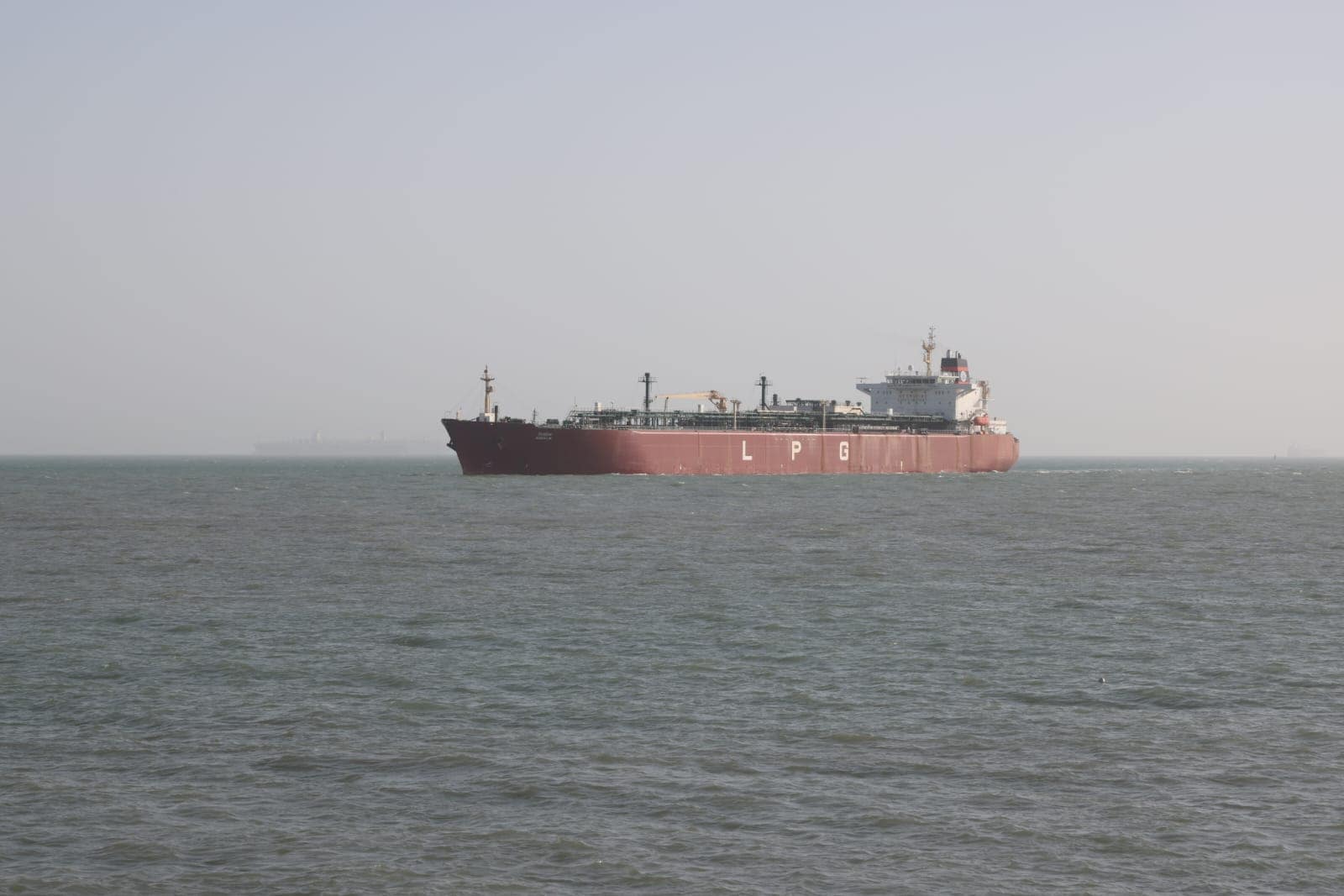
Shivalik
'Jag Laadki' - The Indian-flagged vessel 'Jag Laadki', which sailed from the UAE, carrying about 81,000 tonnes of Murban crude oil, is safely en route India. It had sailed safely from Fujairah Single Point Mooring after the Fujairah oil terminal was attacked earlier while loading crude oil. The vessel will discharge its cargo mid-sea instead of arriving at the Mundra Port as it was reported earlier.
'Nanda Devi' - The third vessel, 'Nanda Devi', carrying about 46,000 metric tonnes of liquefied petroleum gas, arrived at Gujarat's Vadinar port today. The LPG will be discharged into two separate ships - 'BW Breeze' and 'Jag Pratap' - following which they will be sent to Tamil Nadu.
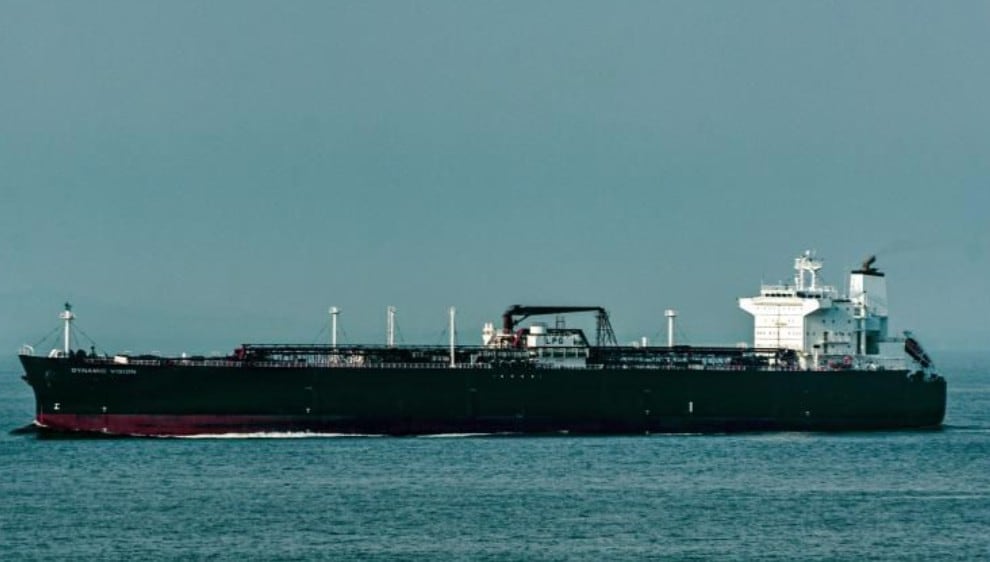
Nanda Devi
'No Blanket Arrangement'
External Affairs Minister S Jaishankar recently clarified that India does not have a "blanket arrangement" with Iran for the transit of the India-flagged ships through the Strait of Hormuz, adding that every ship movement is taking place. According to the minister, the negotiations between New Delhi and Tehran have resulted in two Indian-flagged tankers passing through the key shipping route.
"I am at the moment engaged in talking to them, and my talking has yielded some results. This is ongoing. If it is yielding results for me, I would naturally continue to look at it," he told the Financial Times.
Track Latest News Live on NDTV.com and get news updates from India and around the world

