





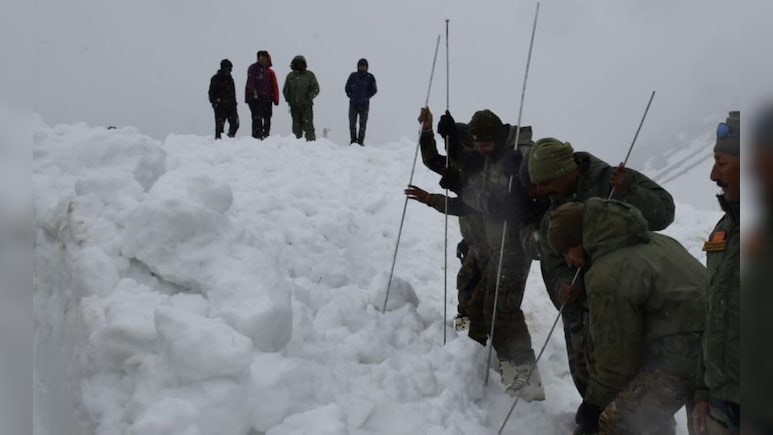
The weather in the remote snow-capped Himalayas has deteriorated significantly these days. Temperatures in Ladakh, Kargil, Galwan, North Sikkim, the Shamshabari Range, and the Greater Himalayan region have plummeted to several degrees below zero. There has been heavy snowfall, strong icy winds, low oxygen levels, and limited visibility.
But despite these challenges, the Indian Army's spirits remain unaffected as soldiers remain vigilant guarding the country's borders.
At the Siachen Glacier, the world's highest and most difficult battlefield, temperatures drop to minus 30 degrees Celsius or below during winter. Army forward posts remain active amidst the snow and glaciers throughout the year. Soldiers maintain round-the-clock vigil and perform operational duties.
How Does The Army Function?
In all these areas, the army uses special winter clothing, high-altitude equipment, accurate weather monitoring systems, and specialised training. Operating in limited oxygen and extreme cold poses not only a physical but also a mental challenge, which the soldiers overcome with discipline and a sense of duty.
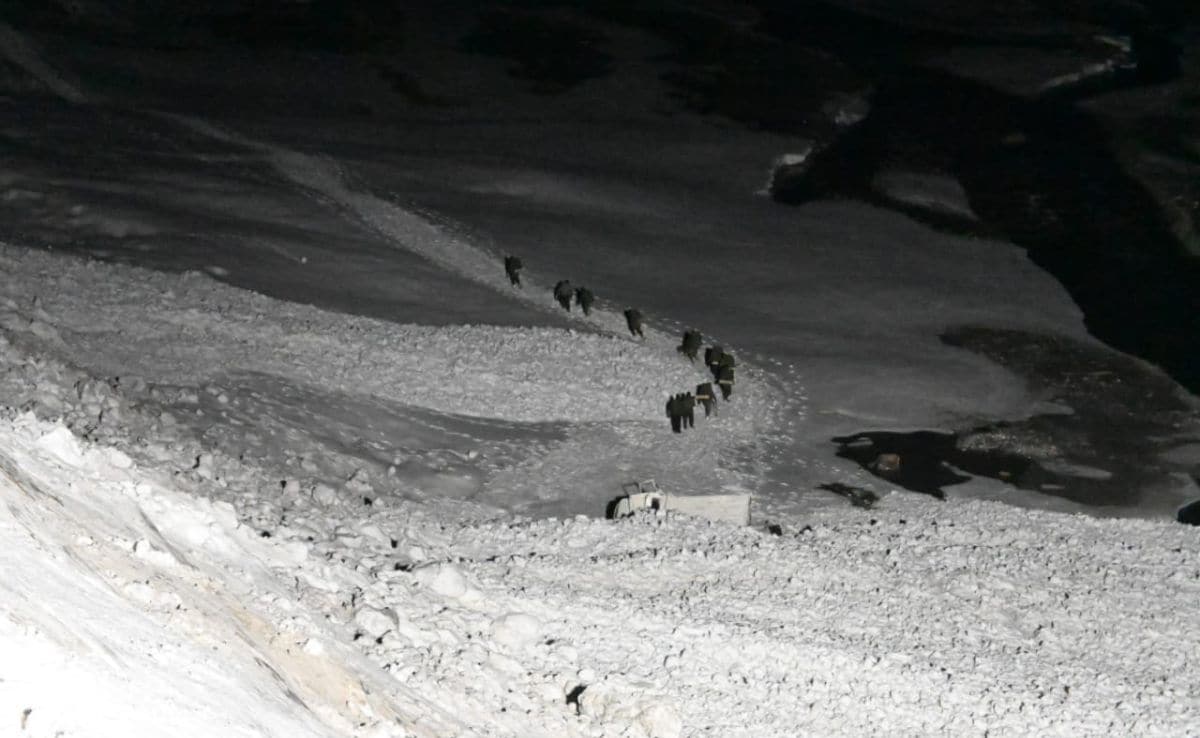
Room-temperature water turns into ice in minutes, and cooking frozen eatables is a huge struggle.
A video had gone viral earlier from Siachen where soldiers were trying to defrost frozen eatables by smashing them with hammers multiple times.
At Siachen in particular, the soldiers wear a specialised three-layered extreme cold weather clothing system (ECWCS). The gear, which is often imported, protects the soldiers against extreme cold, high winds, and snow.
Despite the harsh climate and terrain, the army's continuous deployment ensures that the country's borders remain secure at all times. These steadfast sentinels, standing in the snow of the Himalayas, are performing their duty with utmost devotion for the sovereignty of the nation and the safety of its citizens in every season.
The Frigid Weather
The daytime temperature in the Ladakh and Kargil sectors currently ranges from minus 7 to minus 10 degrees Celsius, while at night it drops below minus 15 degrees. Recent snowfall has blanketed high passes and forward posts with a thick layer of snow. Maintaining logistics, communications, and surveillance, despite slippery terrain and limited movement, is part of the army's routine operations.
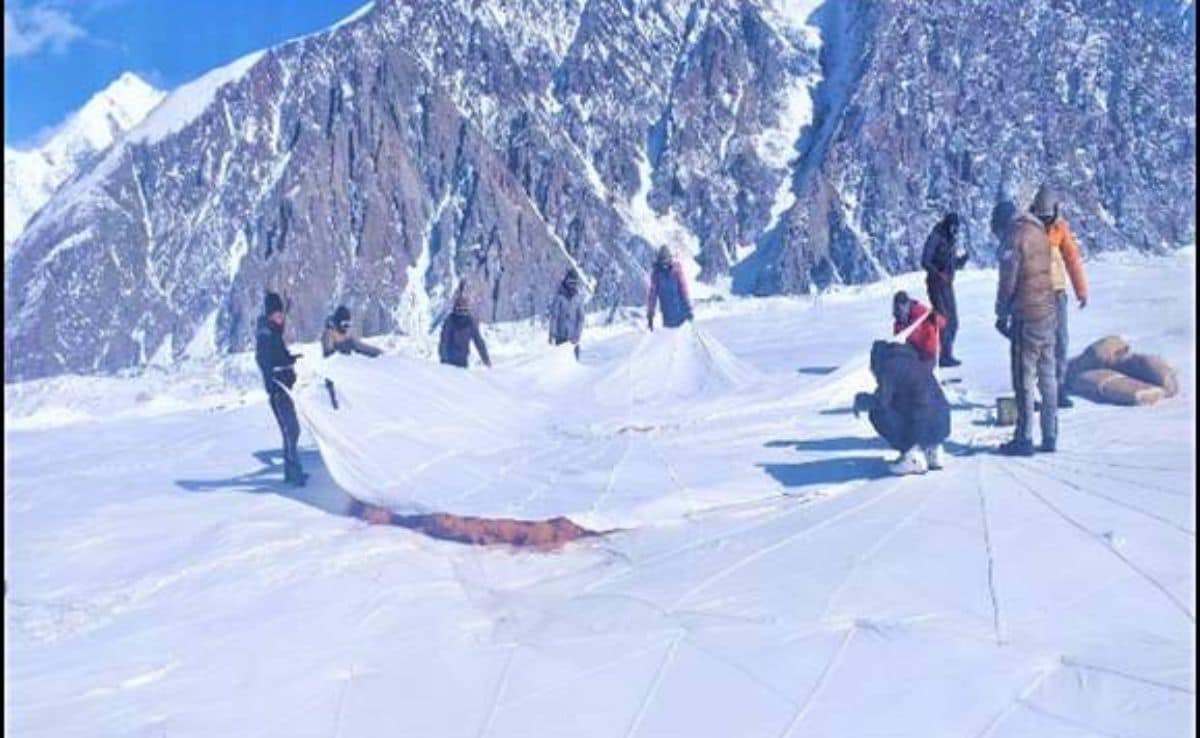
Temperatures have also dropped below freezing in the Kupwara, Tangdhar, and Gulmarg sectors of Kashmir. A thick layer of snow has accumulated in many areas of forward post areas. Patrolling in fog and mist poses a significant challenge, especially in areas where terrorists are actively seeking infiltration. The Pakistani Army remains prepared to facilitate these terrorists' infiltration efforts in the harsh cold.
In the Galwan Valley region of eastern Ladakh, the daytime temperature hovers around 5 to 8 degrees Celsius, but at night it drops below freezing. Snow remains permanently frozen on high ridge lines and posts. Maintaining constant patrolling and vigilance in such conditions requires a high level of training and mental toughness.
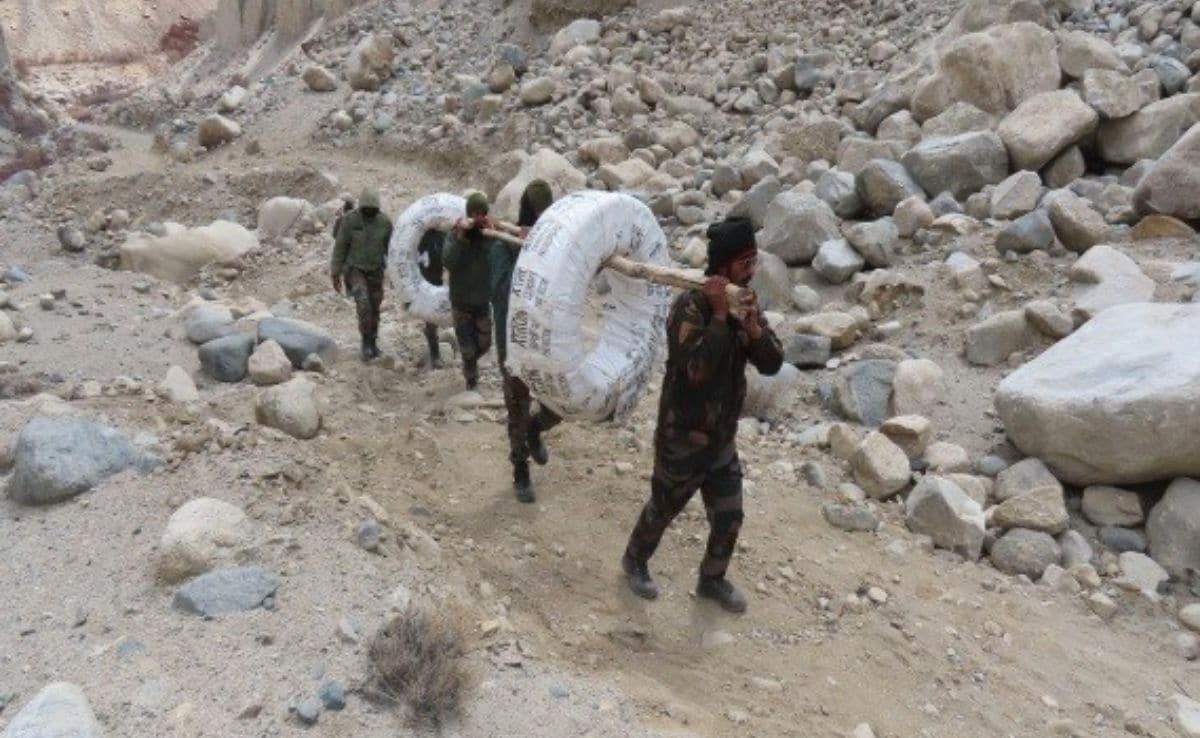
In North Sikkim and the Greater Himalayan region, the weather becomes even more challenging with increasing altitude. Areas above 4,000 metres are always covered in snow. During winter, the snow line drops further. Heavy snowfall often disrupts communication, but the Army maintains operational readiness through alternative means and preparedness.
Track Latest News Live on NDTV.com and get news updates from India and around the world

