





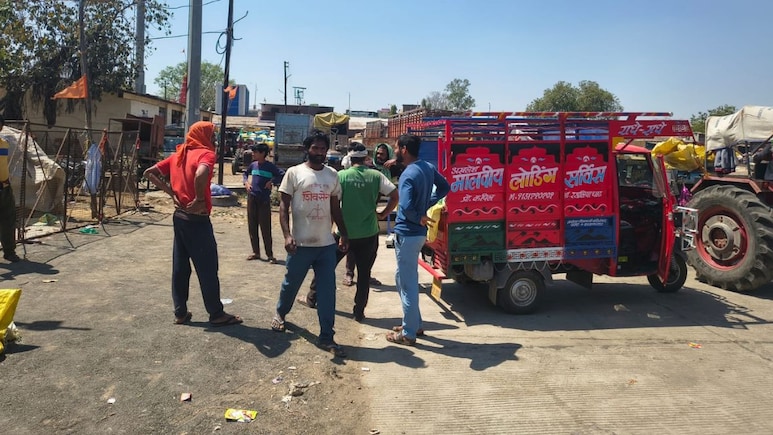
The unsettled global oil markets amid the ongoing Iran-Israel conflict have been a matter of concern for countries heavily dependent on imported crude oil. This uncertainty has renewed focus on India's efforts to reduce its energy dependence.
To address this long-standing vulnerability, the government has, over the past few years, pushed a policy to blend up to 20 per cent ethanol into petrol. The idea was to reduce dependence on imported oil while creating a new demand stream for agricultural crops such as maize.
Farmers across several states, including Madhya Pradesh, were encouraged to increase maize cultivation as the crop was expected to play a key role in the country's emerging biofuel economy.
But the situation unfolding in the markets tells a different story.
In Madhya Pradesh, one of India's major maize-producing states, the very crop farmers cultivated in response to this policy push is now selling at prices even below the cost of production. What was presented as an opportunity to strengthen both national energy security and farmer incomes has, for many, not translated into the financial support they expected.
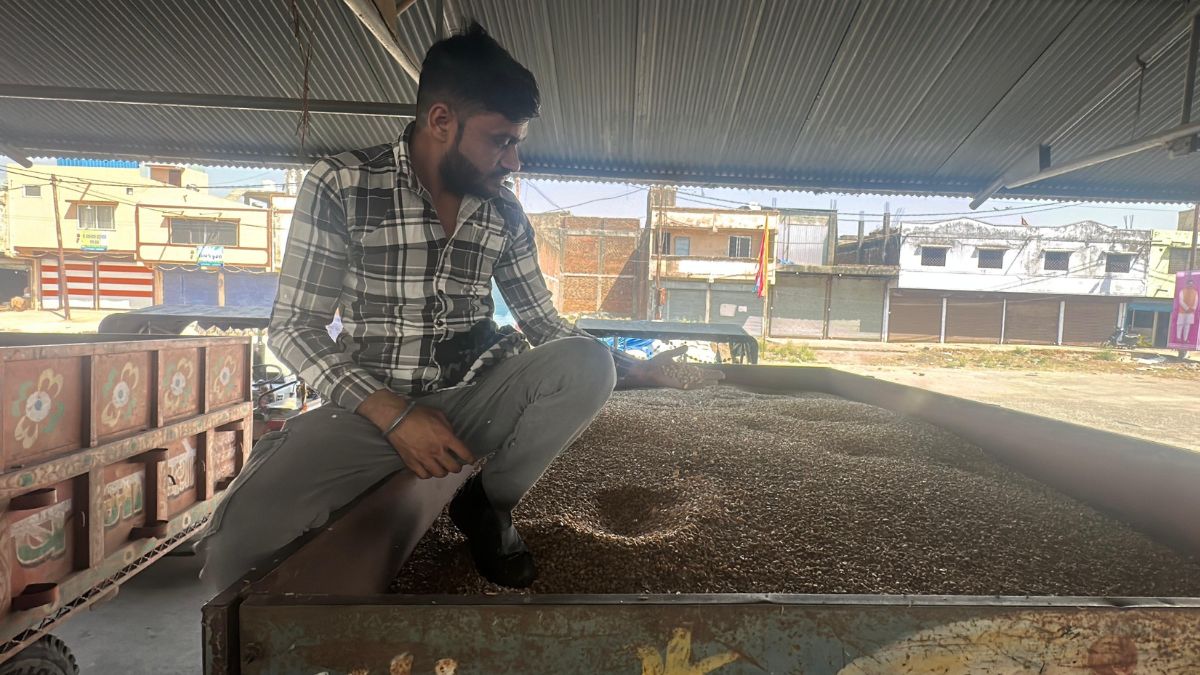
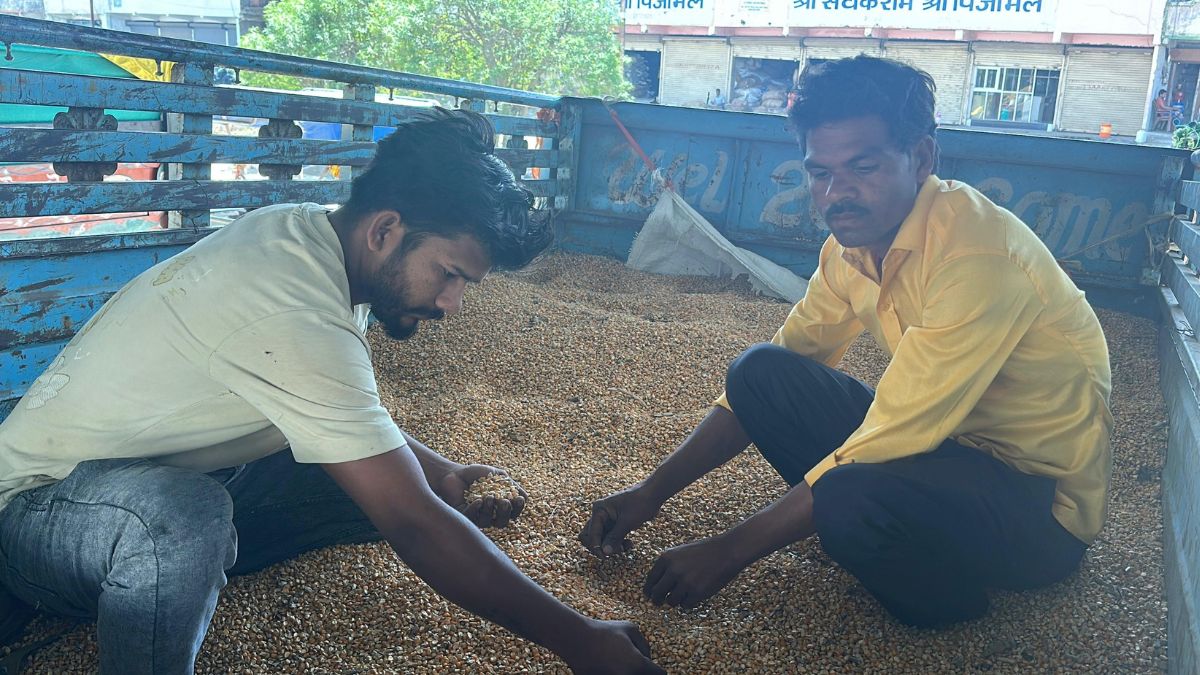
At Bhopal's Karond mandi, trolleys loaded with freshly harvested maize stand in rows as farmers wait for their produce to be weighed and auctioned. Yet the mood in the market is subdued.
Standing beside his produce, farmer Shubham Malviya says he cultivated maize on three acres of land this season. "The cost of cultivation went up to nearly Rs 50,000 to Rs 60,000," he said. "But the mandi rate is only around Rs 1,400 to Rs 1,500 per quintal, while the government's minimum support price is Rs 2,400. At this rate, how are we supposed to recover our costs or sustain our families?"
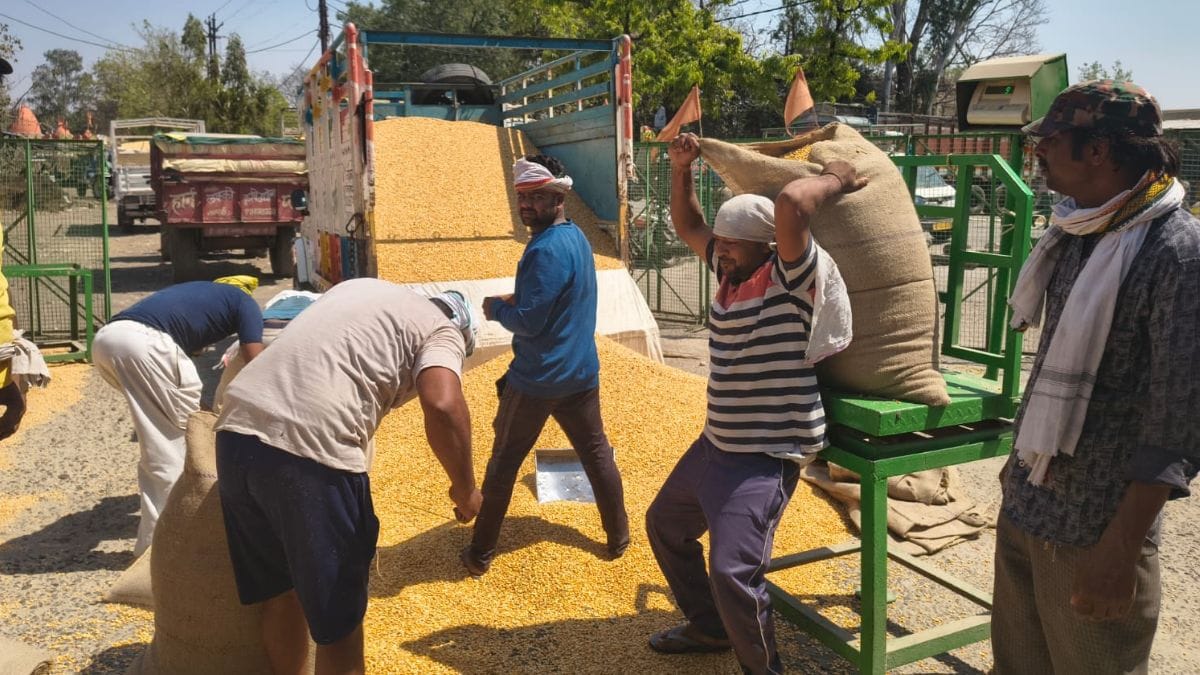
Across Bhopal and nearby districts, maize that was primarily sown during the Kharif season continues to arrive in the markets even during the Rabi months. Farmers say the crop requires considerable investment and labour.
Abhishek Maran, another farmer at the mandi, says he cultivated maize on 10 acres this year. "The rates are simply not fair," he says. "Petrol and diesel have become expensive, fertilizers and seeds cost more, and after all that the maize is selling for just Rs 1,300 or Rs 1,400. I brought around 30 to 35 quintals to the mandi today. At these prices, it barely covers the expenses."
When asked about the issue, Union Agriculture Minister Shivraj Singh Chouhan briefly responded that he would "speak about it later in detail". Meanwhile, Madhya Pradesh Agriculture Minister Aidal Singh Kansana dismissed concerns about falling crop prices.
"Farmers are facing absolutely no difficulties," Kansana said. "Whether it is maize, mustard, moong or urad there are no issues with any crop. These claims are merely rumours spread by the Opposition."
Opposition leaders strongly disagree with that assessment. Congress leader Kedar Sirohi argues that the reality in the mandis tells a different story. "If the minister wants to understand the situation, he should visit the markets and speak to farmers," Sirohi said. "Maize farmers who are entitled to Rs 2,400 as MSP are getting only Rs 1,200 or Rs 1,400. They cannot even recover their costs."
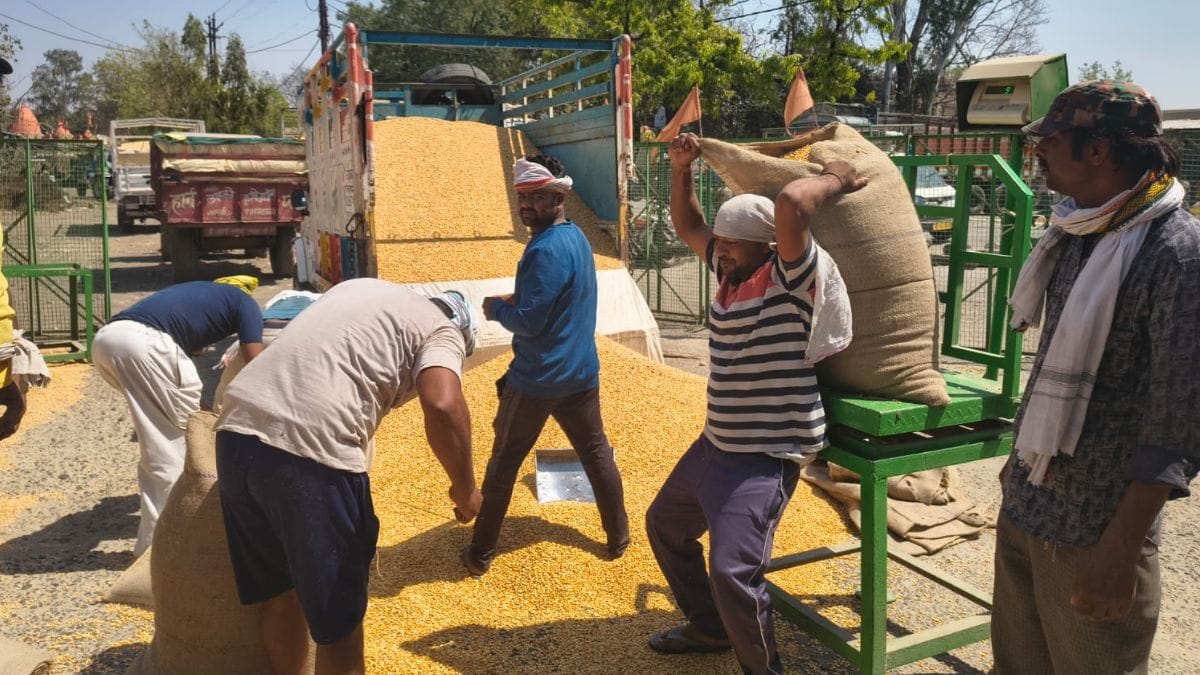
In the neighbouring Sehore district, the situation is much the same.
Harsh Nagar, a farmer from the region, says although the government announces a minimum support price every year, the mechanism for actual procurement rarely materialises. "For years, the MSP has been declared," he says, "but it doesn't translate into real purchases. In the mandis maize is selling for Rs 1,300 to Rs 1,400, and farmers are getting almost nothing."
Official data shows that Madhya Pradesh produces about 6.64 million tonnes of maize, accounting for 15.3 per cent of the country's total production. The crop supports more than 1.5 million farmers in the state, which itself has over 8.5 million farmers overall.
The government's ethanol blending policy was expected to increase maize demand significantly. Under this policy, petrol would contain up to 20 per cent ethanol, reducing dependence on imported oil. To support the shift, the government raised the minimum support price of maize to Rs 2,400 per quintal, while oil marketing companies announced incentives of up to Rs 5.79 per litre for ethanol produced from maize.
These incentives led to an expansion in maize cultivation across the state. The area under maize reportedly increased to around 7 lakh hectares, while production rose to nearly 2.1 million tonnes in recent seasons.
Currently, maize is selling at an average mandi price of around Rs 1,170 per quintal, which is just 49 per cent of the MSP. According to the Commission for Agricultural Costs and Prices (CACP), the cost of producing maize stands at roughly Rs 1,508 per quintal. This means farmers are receiving Rs 338 less than the cost of production for every quintal they sell.
According to traders, several factors have contributed to the fall in prices, a bumper harvest, reduced demand from the cattle feed industry, lower export demand and the increasing use of broken rice instead of maize in ethanol production.
Experts point out that maize is particularly sensitive to storage conditions because of its relatively high moisture content at harvest. Even minor storage issues can further depress prices in local markets.
As one farmer at Karond mandi puts it quietly while watching his produce being weighed when the price of a crop falls below the cost of growing it, every grain harvested becomes less a reward for hard work and more a reminder of loss.
Track Latest News Live on NDTV.com and get news updates from India and around the world

