





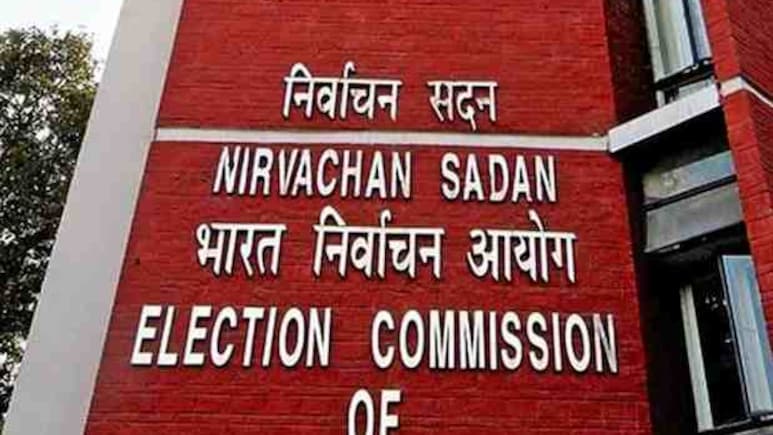
The Election Commission is mounting a public outreach and image-building campaign months after the political fracas over the Special Intensive Revision (SIR), unveiling new digital initiatives, promising to revive voter awareness programmes in educational institutions and holding its first-ever nationwide media conference attended by more than 350 journalists.
The outreach comes at a time when the Commission is battling perhaps the biggest credibility challenge in its recent history. The SIR exercise, which the poll body has described as a routine effort to clean electoral rolls, has triggered sustained attacks from Opposition parties that have accused it of facilitating arbitrary deletions of voters and imposing burdensome documentation requirements. The exercise has sparked protests, legal challenges and an intense political debate over the Commission's neutrality. Election Commission officials have repeatedly rejected the allegations, insisting the revision is being carried out strictly within the legal framework and that every elector has multiple statutory opportunities to challenge deletions or seek restoration.
Against this backdrop, the Commission appears to be shifting gears from defending itself to rebuilding public confidence. At the centre of that effort are initiatives like strengthening voter awareness among young electors, increasing transparency through direct engagement with the media, and showcasing technology as a means of making elections more accessible and accountable.
One of the flagship announcements was the revival of Electoral Literacy Clubs in schools and universities. Election Commission officials said the clubs would be re-energised to familiarise first-time voters with the electoral process, constitutional values and informed participation in democracy. The programme, launched several years ago, was designed to create peer-led awareness through quizzes, mock elections, debates, voter registration drives and civic education activities. Officials acknowledged that youth participation remains an area of concern and said the renewed focus was intended to build electoral awareness long before students become first-time voters.
Digital First
The digital push is equally significant. The Commission showcased ECINET, a unified digital platform that brings together a range of voter and election services on a single mobile and web interface. Officials described it as a "one-stop digital solution for the world's largest democracy."
The platform allows citizens to apply for voter registration, correction and deletion of entries, track applications, download digital voter identity cards (e-EPIC), lodge complaints, verify their names in the electoral roll, connect directly with Booth Level Officers and election officials, schedule appointments with BLOs and access services for persons with disabilities through the Saksham module.
According to material released by the Commission, ECINET has already processed more than 101 million registration forms during its pilot phase - an average of around 2.7 lakh forms every day. The platform has registered nearly one million Booth Level Officers, while more than 1.5 billion documents generated during the SIR exercise have been digitised. The platform is designed to serve more than one billion electors across 1.1 million polling stations, 543 parliamentary constituencies and 4,123 Assembly constituencies, with services planned in 22 scheduled languages in addition to English.
Senior Election Commission officials said digitisation would improve transparency, reduce delays and allow faster dissemination of election-related information. They argued that bringing multiple citizen-facing services under one platform would make interactions with election authorities easier while improving administrative efficiency.
Officials also mounted a spirited defence of the SIR exercise during interactions with journalists.
"Why this kolaveri over SIR?" one senior official remarked, arguing that the Commission was merely discharging its constitutional responsibility.
"The Election Commission is only removing absent, shifted, dead, duplicate and foreign voters from the electoral rolls," another senior official said.
Officials maintained that Special Intensive Revisions have repeatedly been upheld by the Supreme Court and argued that electoral roll verification is a standard democratic practice across the world. "Almost every country wants to undertake such an exercise. We have almost finished the process," an official said, adding that conducting such a revision required institutional courage.
The Commission also sought to underscore the scale and credibility of India's electoral machinery. Officials pointed to the 93.7 per cent voter turnout recorded in the recently concluded West Bengal Assembly election, describing it as the highest ever recorded anywhere in the world and evidence of the vibrancy and transparency of India's democratic process.
Track Latest News Live on NDTV.com and get news updates from India and around the world

