

)
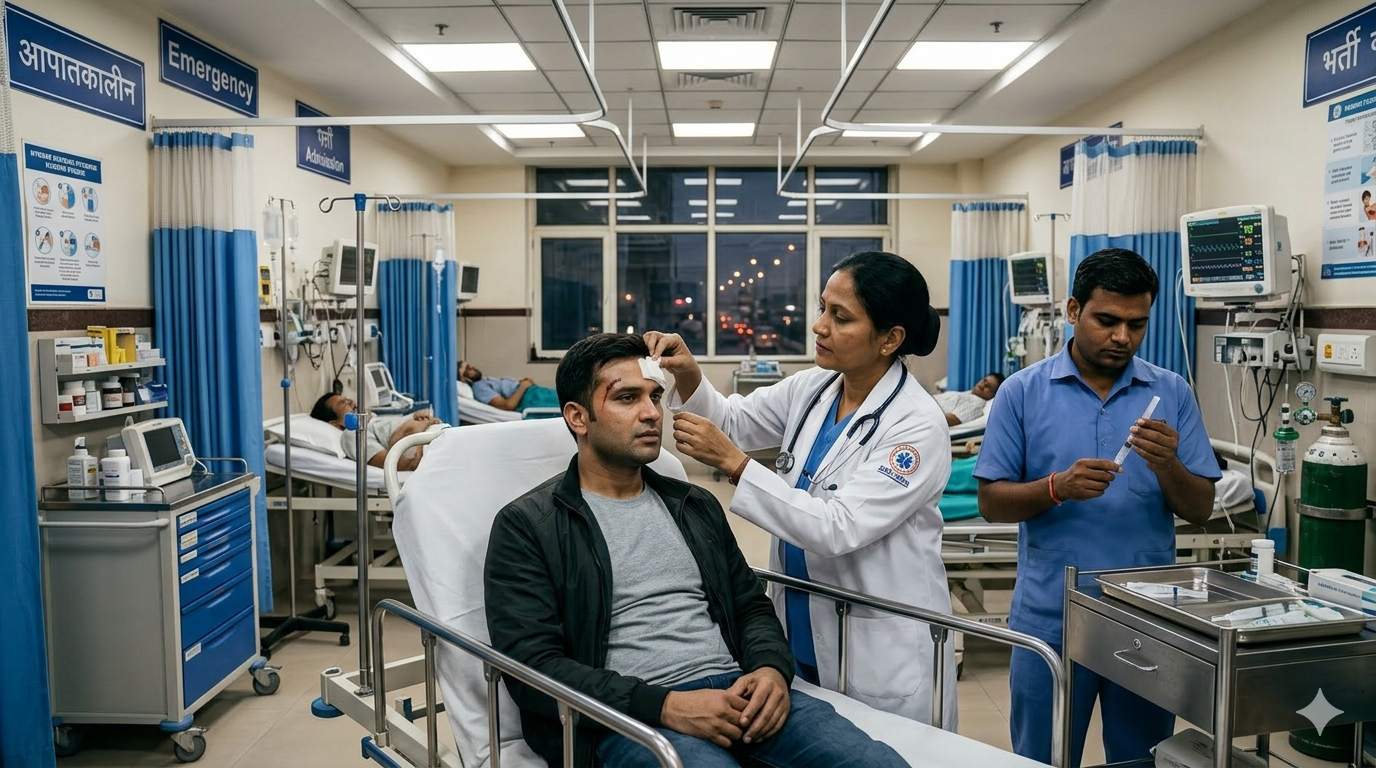
It happens in a split second. A fall, a road accident, a sudden blow to the head. In those first few moments, the situation can feel chaotic and overwhelming. But inside an emergency room, every second is guided by protocol, precision and urgency. Doctors often refer to the first 60 minutes after a head injury as the "Golden Hour", a critical window where timely care can make the difference between recovery and long term damage. When a patient with a suspected head injury arrives at the emergency department, the medical team immediately shifts into action. The priority is not scans or medication, but stabilisation. On World Head Injury Awareness Day, Dr. Mashhad Haider Rizvi, Head Emergency at Fortis Hospital, Shalimar Bagh, says,"The first hour after a head injury is very critical and is often referred to as the 'Golden Hour'. During this time, emergency doctors focus on quickly stabilising the patient and preventing further damage to the brain."
The First Few Minutes: Stabilising Life Functions
The moment the patient is wheeled in, doctors begin with the basics: airway, breathing and circulation. Dr Rizvi says, "When a patient arrives in the emergency department, the medical team first checks the airway, breathing, and blood circulation. If the patient is unconscious or struggling to breathe, doctors ensure the airway is clear and provides oxygen. At the same time, the neck is kept immobilised with a cervical collar because head injuries are often associated with spine injuries."
Also read: Loss Of Consciousness Isn't Mandatory: Hidden Signs of Brain Injury You Need To Look Out For
"Doctors then assess the patient's level of consciousness using a quick neurological check to see how alert and responsive the patient is. This helps determine how severe the injury might be. Any visible bleeding from scalp wounds is controlled immediately, and vital signs like blood pressure, oxygen levels, and heart rate are closely monitored," he adds.
Rapid Neurological Assessment
Once the patient is stable, doctors quickly assess brain function. They check how alert the patient is, whether they can respond to commands, and how their pupils react to light. This rapid neurological evaluation helps determine the severity of the injury and guides the next steps in treatment. Visible injuries, such as scalp wounds, are treated immediately to control bleeding. Meanwhile, vital signs including heart rate, blood pressure and oxygen levels are continuously monitored to detect any sudden changes.
The Role Of Urgent Imaging
In most cases, a CT scan is performed as soon as possible. This imaging test helps doctors look inside the brain for signs of internal bleeding, swelling or skull fractures. The scan plays a crucial role in decision making. If there is evidence of pressure building inside the skull or active bleeding, emergency surgery may be required. In less severe cases, close observation may be enough.
From Emergency To ICU
Patients with moderate to severe head injuries are often moved to the Intensive Care Unit for continuous monitoring. Here, specialised care focuses on preventing complications such as brain swelling, maintaining oxygen supply to the brain and supporting overall recovery.
The first hour sets the tone for everything that follows. Quick action, accurate assessment and timely intervention can significantly improve outcomes.
Why The Golden Hour Matters
Head injuries are unpredictable. Some may appear mild initially but worsen over time, while others require immediate intervention. That is why early medical care is essential, even if symptoms seem minor at first. Delays in treatment can increase the risk of complications and long term neurological damage.
Also read: CT Scan vs MRI: Key Differences That Reveal What Your Body Most Needs Now
From the moment of impact to the transfer to the ICU, the first hour after a head injury is a race against time. Every step, from stabilising breathing to performing a CT scan, is aimed at protecting the brain and preventing further harm. As experts emphasise, recognising the urgency of this "Golden Hour" and seeking immediate medical care can make all the difference in saving lives and preserving brain function.
Disclaimer: This content including advice provides generic information only. It is in no way a substitute for a qualified medical opinion. Always consult a specialist or your own doctor for more information. NDTV does not claim responsibility for this information.