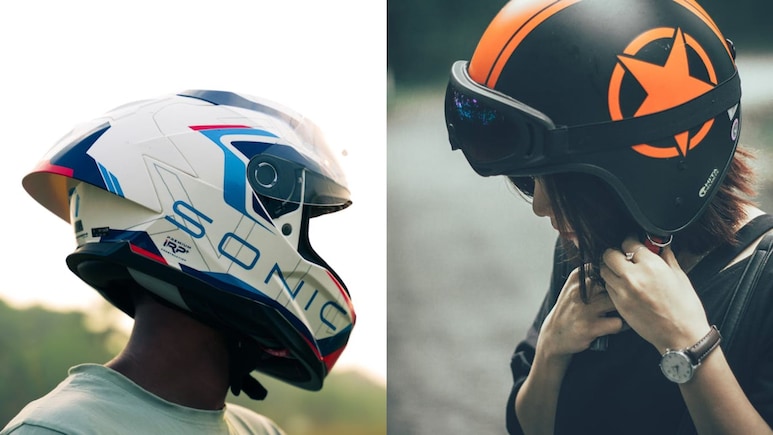
World Head Injury Awareness Day each year is celebrated each year on March 20. This occasion highlights the risks of head trauma from accidents and stresses the proper use of safety gear like helmets.
Risks Of Not Using a Helmet
In India, two-wheeler crashes dominate road incidents and cause most traumatic brain injuries. A study by the Journal of Neurosciences in Rural Practice found that 71 per cent of such cases stemmed from motorcycle accidents, with fewer than 1 per cent of victims wearing helmets at impact.
Also Read: Moving To Another State With Your Vehicle? Government May Soon Scrap NOC Requirement
Head injuries lead to high death rates, often from skull fractures or brain haemorrhages, especially among young male riders aged 21-40. Proper helmets cut head injury risk by 69 per cent and fatalities by 42 per cent overall. Furthermore, a study conducted by the University of Wisconsin also claims that helmets contribute to reducing neck injuries.
Full Face vs Half Face Helmet
Full-face helmets outperform half-face ones in protection. Research by Khon Kaen University shows full-face models lower head and neck injury risk by 64 per cent versus half-coverage helmets and by 36 per cent against open-face types. They shield the chin, jaw, and face, zones hit in 35 per cent of crashes, through full coverage and impact-absorbing foam.
Also Read: Honda Expands Two-Wheeler Production Capacity At Tapukara Plant To 2 Million Units
On the other hand, the half-face helmets, covering just the crown, leave key areas exposed and fail to match this in crash tests under standards like ECE, DOT, or India's ISI.
Laws Related To Helmet Use
Indian rules under Section 129 of the Motor Vehicles Act require protective headgear for all riders and pillion passengers over age four. Helmets must carry the ISI mark from the Bureau of Indian Standards for impact resistance and fit. Half helmets often fall short of these norms and do not qualify as adequate.
Authorities enforce fines up to Rs 1,000 and license suspension for non-compliance. Riders should select snug, certified full-face helmets for daily or highway use.
Track Latest News Live on NDTV.com and get news updates from India and around the world
