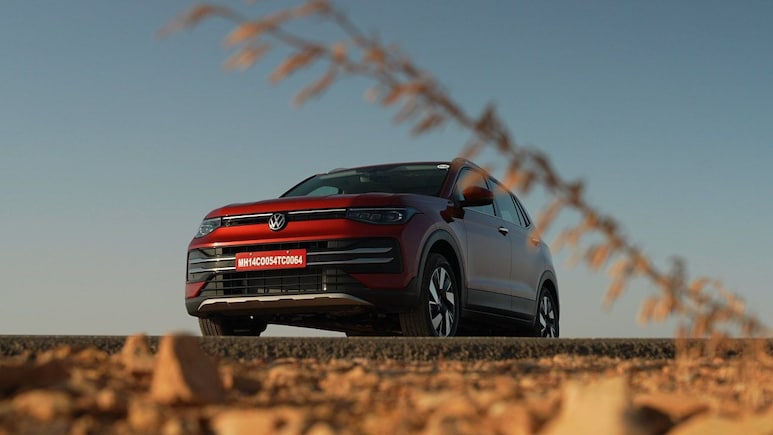
What does it really take for a car to stay relevant today? Especially in a segment where something new shows up almost every few months. Do you go all out and reinvent it, or do you step back and fix what people have been complaining about?
The Volkswagen Taigun has always sat slightly off-centre in this space. It never tried too hard to impress on paper. Instead, it focused on how it drove, how it felt on the road, and how solid it was underneath. That worked for a certain kind of buyer, but it also meant missing out on those who simply wanted more features for their money.
With this 2026 update, Volkswagen hasn't gone down the route of dramatic change. This feels more like a response. A response to feedback, to competition, and to what buyers now expect as standard.
To get a clearer sense of what's changed and what hasn't, this wasn't limited to a short drive. I drove the Taigun from Bhuj to Udaipur, covering over 500 kilometres. Highways, rough patches, long stretches where you just settle in and drive, that's where a car usually reveals its true character.
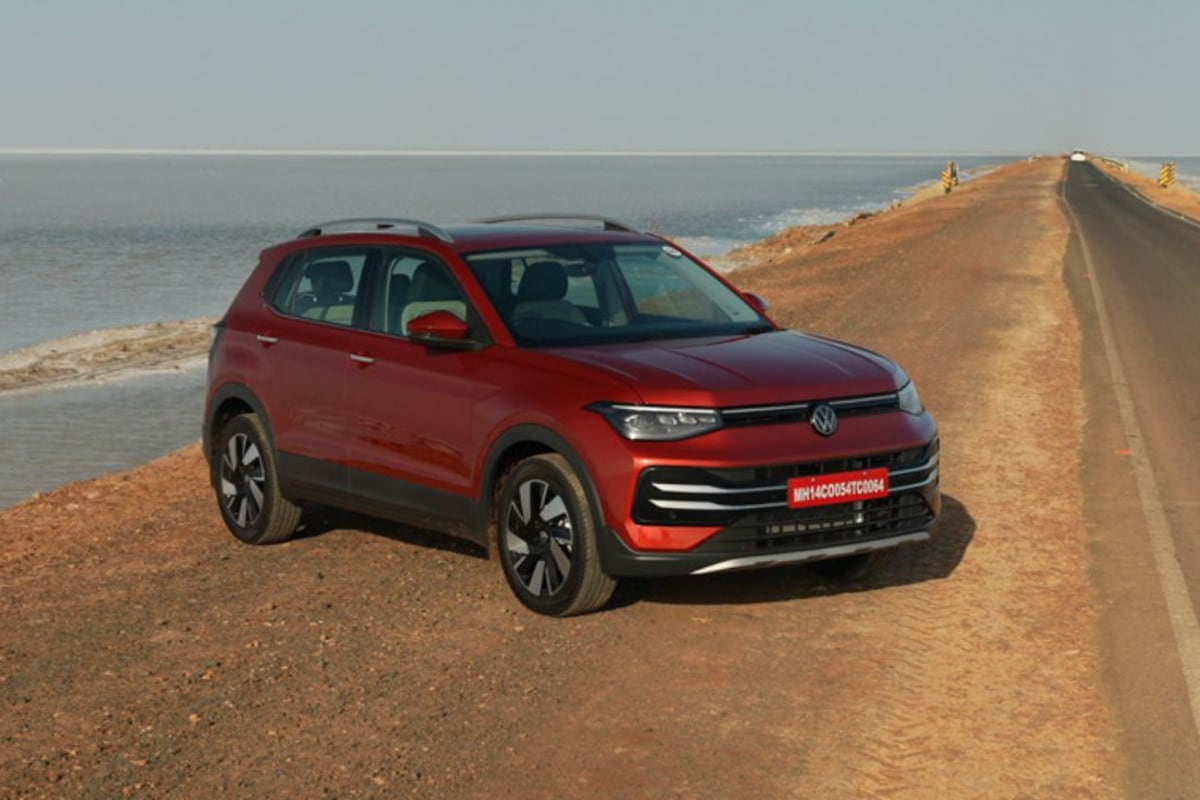
On paper, there are over 40 updates across variants. But step back, and the core remains untouched. Same platform, same engines, same basic approach.
Which brings us to the real question: Has Volkswagen done enough to make this feel like a more complete package now?
Design and Features: Small Changes, Bigger Intent
Visually, this isn't the kind of update that immediately grabs attention. And that seems deliberate. Spend a little more time around the car, though, and the details begin to stand out. The front grille has been reworked, there's a light band running across, and for the first time, you get an illuminated Volkswagen logo. It's a small touch, but one that does add a bit of presence, especially at night.
At the rear, the update feels more current. The tail lamps now get a connected look, along with sequential indicators and those welcome and goodbye animations that have become quite common in this segment. New alloy wheels add a slightly sharper stance, although the overall shape of the car remains very familiar.
Inside is where the changes feel more relevant.
The layout hasn't been reimagined, but the experience has been updated. There's a new digital instrument cluster and an infotainment screen, both of which push the cabin towards a more tech-focused setup. You also get connected features, app integration, and voice commands.
The addition of turn-by-turn navigation within the cluster is genuinely useful, especially on longer drives where you don't want to keep glancing at the main screen.
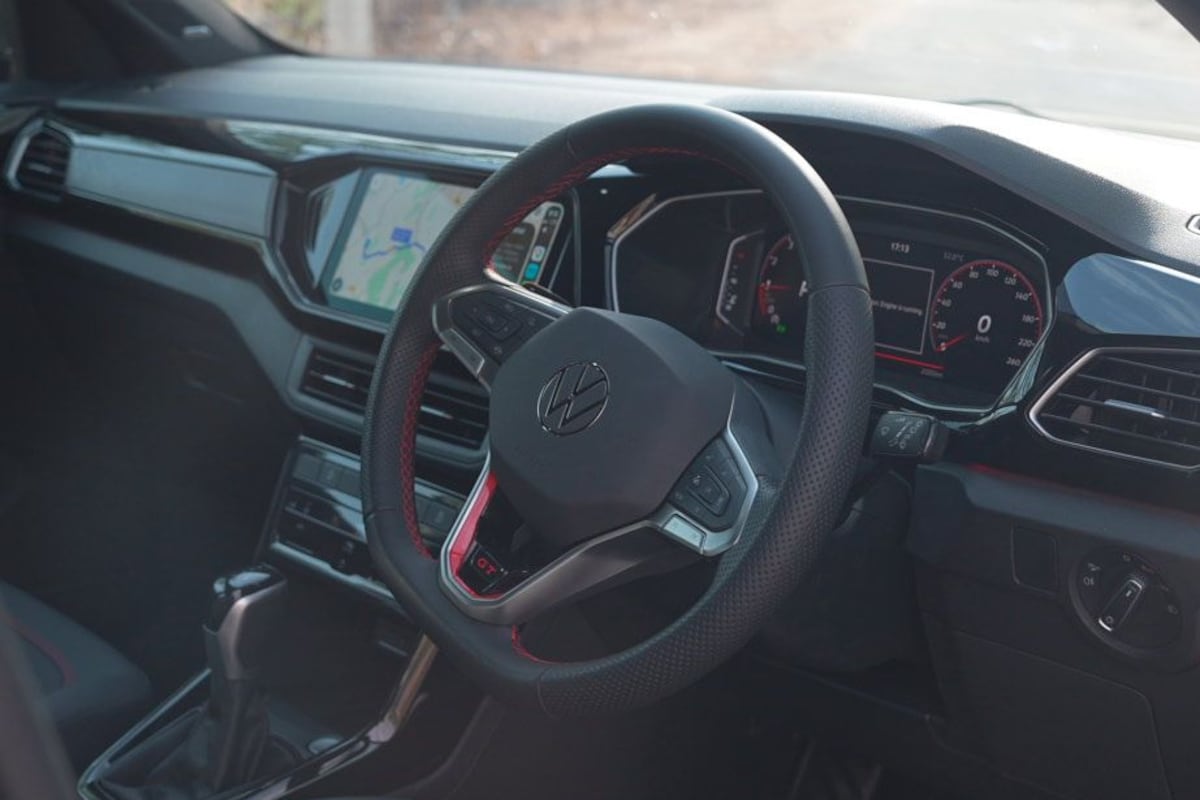
Then there are the features that were clearly missing earlier. Ventilated front seats, electric seat adjustment, and a panoramic sunroof now make their way into higher variants. These aren't segment-first additions, but they do bring the Taigun closer to what buyers already expect.
That said, the cabin still doesn't try to feel overly plush. It sticks to a clean, slightly sporty theme with dark tones and ambient lighting. It feels functional first, premium second.
A couple of things could have been better thought through. The absence of a physical volume control option for the co-passenger is something you notice quickly. On the flip side, the air-conditioning continues to do its job well, even in harsher conditions, which, frankly, matters more in day-to-day use.
Performance and Driving Experience: Still Its Strongest Suit
Safety remains one of the Taigun's key strengths, and that hasn't changed. Six airbags come as standard, along with electronic stability control and multi-collision braking. It continues to carry a five-star safety rating, which adds a layer of reassurance.
Under the bonnet, things are familiar. You still get the 1.0-litre and 1.5-litre TSI petrol engines. The update here is the addition of a new 8-speed automatic gearbox for the 1.0-litre variant.
Starting with the 1.0-litre engine, the behaviour is largely what you'd expect. There's some turbo lag, especially in Drive mode. In city traffic, that slight hesitation can catch you off guard, and on highways, it becomes noticeable when you're trying to overtake.
Switch to Sport mode, though, and the response improves. The engine feels more alert, and that lag reduces enough to make a difference.
Over roughly 315 kilometres of driving, the fuel efficiency hovered around 12.5 km/l. Not exceptional, but reasonable given the conditions and the way the car was driven.
The new 8-speed automatic is a welcome addition. It feels smooth, responds well, and works in sync with the engine once you're past that initial lag. It doesn't completely transform the experience, but it does make the car easier to live with.
Overall performance remains balanced. It's not trying to be outright quick or aggressive. Instead, it sticks to what it has always done, offer a composed, predictable drive that works well over longer distances.
Move to the 1.5-litre TSI available with 7-speed DSG only, and the difference is immediately noticeable. The performance feels stronger, and even the initial throttle response is sharper and more immediate.
This is a combination that has already proven itself across multiple Volkswagen models, and it continues to feel engaging behind the wheel. It's smoother, more effortless, and better suited for those who prioritise performance over outright efficiency.
That said, it may not make as much sense if fuel economy is high on your priority list. During this drive, efficiency hovered around 7 to 8 km/l, which is something you'll need to factor in before making a choice.
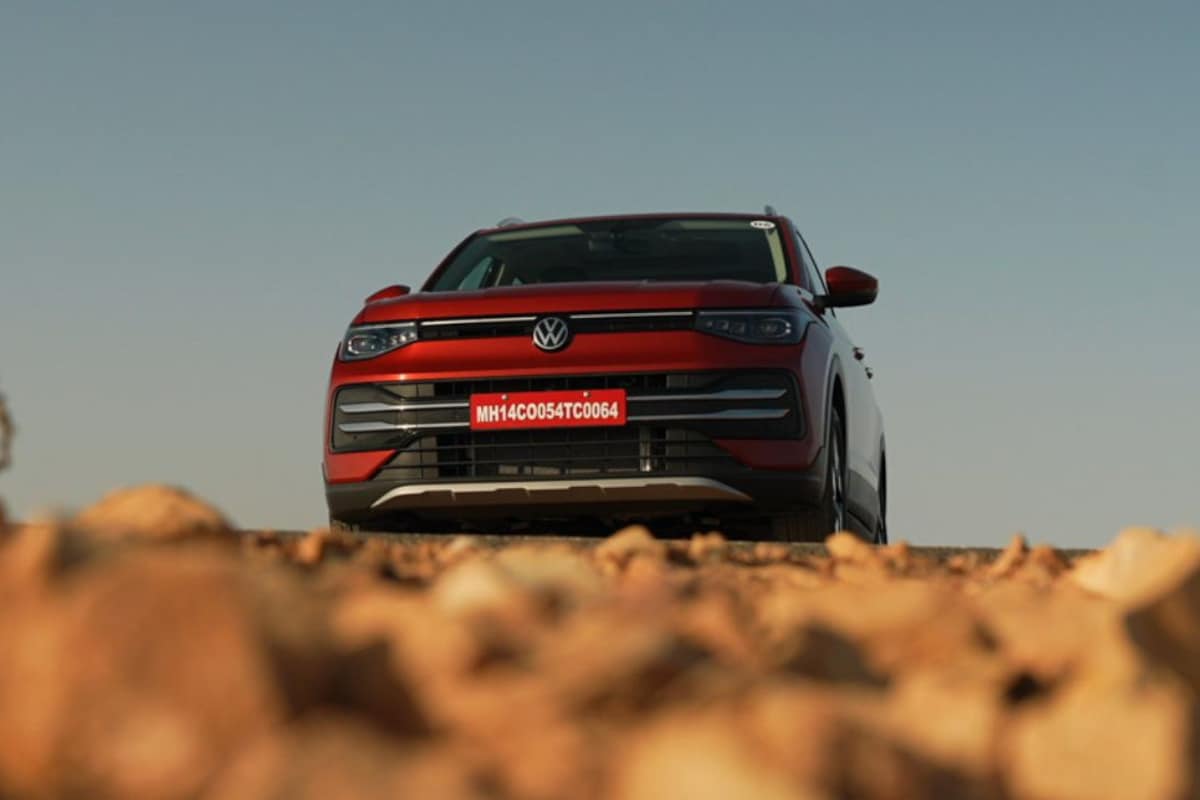
Overall, the Taigun still leans towards offering a balanced driving experience. It's not trying to be aggressively sporty, but it remains composed, predictable, and comfortable over longer distances, qualities that continue to define its character.
Also Read: Mercedes-Benz G450d AMG Line Review: The G-Class, Now With Diesel, Finally Makes Sense For India
Verdict: More Complete, But Choice Matters More Now
After spending over 500 kilometres with the 2026 Volkswagen Taigun, the intent behind this update becomes clearer.This isn't about changing the car's identity. It's about addressing what was missing, and to a large extent, that has been done.
The added features, improved tech, and a more up-to-date cabin experience make the Taigun feel far more in sync with what buyers expect today. It doesn't feel under-equipped anymore, which was one of its biggest drawbacks earlier. But what stands out more now is how clearly the two engine options define the experience.
The 1.0-litre TSI feels adequate for everyday use, especially if your driving is largely within the city or more relaxed. It gets the job done, and the new 8-speed automatic makes it easier to live with, even if that initial lag still exists.
The 1.5-litre TSI, on the other hand, feels like the more complete driver's choice. It's quicker to respond, more engaging, and simply more effortless on longer drives. But that performance comes at a cost; fuel efficiency isn't its strongest suit, and that's something you can't ignore.
Also Read: BMW M440i Convertible First Drive Review: The Calm Side Of Performance
Beyond that, the Taigun still carries forward its original strengths. It feels solid, stable, and predictable, qualities that become more apparent the longer you spend behind the wheel.
At the same time, not everything has changed. The design may not feel dramatically new to everyone, and a few usability details could have been better thought through.
In the end, this update doesn't try too hard, and that works in its favour.
It simply brings the Taigun closer to where it needed to be. And depending on which engine you choose, it can now feel either practical... or genuinely engaging.
That choice, more than anything else, defines what this Taigun becomes for you.
Track Latest News Live on NDTV.com and get news updates from India and around the world
