

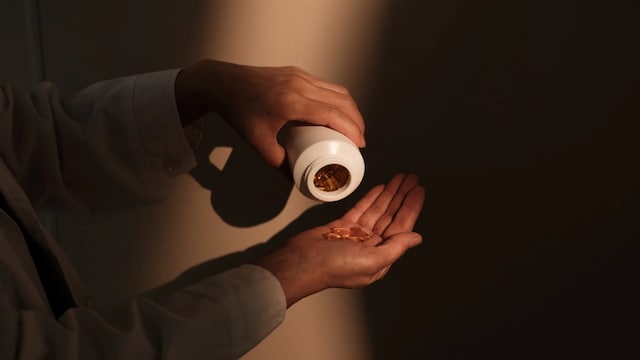
Feeling tired all day, excessive hair fall and struggling to stay active? These are some of the signs of low iron levels. Many women take iron supplements for months and yet their blood test results show little improvement. So, what's wrong?
Nutritionist Rashi Chowdhary has shared that checking iron levels properly is important before deciding what the body needs.
One key test is ferritin, which shows how much iron the body stores. Instead of assuming that tiredness and hair loss are normal, it is important to look for the cause. On Instagram, Chowdhary has shared four possible reasons why ferritin levels remain unchanged after months of taking iron tablets.
First, the body may not absorb iron properly. Certain medicines, such as antacids and some health problems can affect how the body takes iron. Drinking tea or coffee around the time you take a tablet can make it harder for your body to absorb iron. Women who go through heavy periods may lose more iron each month than their body can replace.
The fourth reason is inflammation in the body. It can increase a hormone called hepcidin, which makes it harder for the body to absorb iron and use the iron already stored inside it. This may be a concern for people with certain gut problems, PCOS, autoimmune conditions or fatty liver disease.
If iron levels do not improve, it is important to speak to a doctor to find the cause. They can check blood test results, review medicines and suggest the right treatment.
Rashi Chowdhary explains that improving iron levels is not just about taking more tablets. It is also important to find out if inflammation in the body is affecting how iron is absorbed and used. She suggests checking inflammation levels through blood tests, including HS-CRP.
Once the cause of inflammation is understood and treated, iron supplements may work better. The right treatment depends on each person's health and test results, so it is important to take medical advice rather than changing supplements on your own.
Also Read: Menopause Not Gradual, Body Might Experience A 'Physiological Cliff' Around Last Period: Study
Disclaimer: This content including advice provides generic information only. It is in no way a substitute for a qualified medical opinion. Always consult a specialist or your own doctor for more information. NDTV does not claim responsibility for this information.