
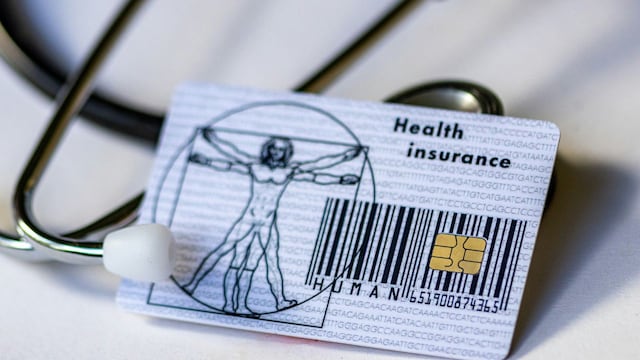
Indian women are reshaping the nation's workforce landscape. Recent data from the Periodic Labour Force Survey (PLFS) shows female labour force participation has nearly doubled to over 42% in urban areas as of 2024. This increase, fueled by education, urbanisation, and policies like maternity benefits under the Maternity Benefit Act, marks a shift toward financial independence. However, there still exists a gap; women's personal health insurance ownership lags far behind which leaves them vulnerable to escalating medical costs and health risks.
On International Women's Day, Care Health Insurance highlights that women proposers now comprise 28-30% of its individual health insurance portfolio, which has steadily increased over the past few years. The average sum insured opted by women is in the range of Rs. 10-15 lakh. These findings indicate that although ownership and coverage adequacy challenges remain, awareness around independent and sufficient health coverage is increasing amid rising medical inflation and hospitalisation costs.
Manish Dodeja, Chief Operating Officer, Care Health Insurance, said, "Women have traditionally been the health anchors of their families, often prioritising everyone else's well-being before their own. Even as more women take charge of household financial and healthcare decisions, their own long-term health security has often taken a back seat. That dynamic is now beginning to change. Women proposers today account for nearly a quarter of our individual policy base, and this share has been rising steadily. However, there remains meaningful headroom to strengthen coverage adequacy. As medical costs continue to rise, it is essential that women move to becoming primary policyholders with comprehensive and sustained health insurance."
This rise also aligns with broader trends. IRDAI's (Insurance Regulatory and Development Authority of India) 2023-24 annual report indicates women hold about 34% of life insurance policies but only 29% in standalone health insurers and 32% industry-wide. Distribution roles for women remain at similar lows, pointing to ecosystem imbalances.
With medical inflation rising and treatment journeys becoming more prolonged, closing both the participation and adequacy gap remains critical to strengthening women's long-term financial resilience and reducing financial vulnerability.
Health Risks Demanding Coverage
Non-communicable diseases (NCDs) pose the biggest threats. NFHS-5 (2019-21) data shows 35% of women aged 15-49 suffer from anaemia, which can complicate pregnancies. Hypertension and diabetes also affects a significant number of urban women. Cancers cases are also increasing such as breast cancer. Reproductive health increases adds layers of risk. PCOS causes infertility and metabolic issues. Postpartum complications and mental health crises are increasing as well.
Care Health Insurance also highlights that women are increasingly opting for riders that strengthen coverage beyond standard hospitalisation benefits. These include maternity benefits such as IVF and surrogacy as per policy terms, OPD benefits for outpatient consultations and diagnostics, automatic recharge features that reinstate the sum insured if exhausted during the policy year, and instant cover options that reduce waiting periods for select treatments. Additionally, a growing number of women are choosing wellness-linked enhancements including women-specific health check-ups and return-of-premium benefits tied to activity milestones, signalling a broader shift towards sustained, preventive and proactive health security.
Why Should Women Prioritise Personal Insurance
Women have been conditioned to deprioritise self-care. A survey revealed 68% of women list family needs first for insurance premiums. However, with life expectancy at 71 years for women, healthcare needs after 60 years like osteoporosis or joint replacements can impact savings. Hence, it is important that women prioritise personal insurance.
Bridging the Gap: Steps Forward
To close participation and adequacy gaps, education is important. Financial literacy programs, like those from SEBI's investor awareness campaigns, have boosted women's insurance uptake by 15% in pilot states. Employers can mandate personal coverage in benefits packages. Also, government incentives can help. Tax deductions for women can be beneficial.
As women drive India's $5 trillion economy goal, investing in health insurance shouldn't be optional. It protects against financial ruin, enables career continuity, and fosters family stability.
Disclaimer: This content including advice provides generic information only. It is in no way a substitute for a qualified medical opinion. Always consult a specialist or your own doctor for more information. NDTV does not claim responsibility for this information.