

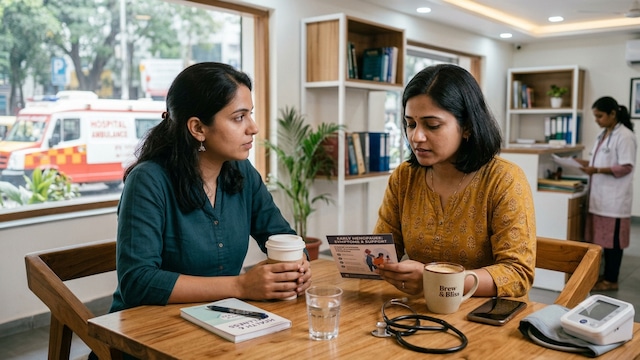
For a woman in her late thirties, irregular periods may seem like a consequence of work stress, while disturbed sleep, anxiety, exhaustion and difficulty concentrating are easily blamed on demanding schedules or family responsibilities. But these changes can sometimes signal perimenopause, the transition leading up to menopause, which may begin years before menstruation stops.
"Indian women reach menopause years earlier than women in most of the world. The average age here is around 46 to 47," says Dr Anjana Singh, Director of Obstetrics and Gynaecology at Fortis Hospital, Noida. For working women, she points out, this means menopause can arrive in the middle of their careers rather than near retirement.
Indian research reinforces the need for greater awareness. An analysis of National Family Health Survey-5 (NFHS-5) data found that 5.5% of currently married women aged 35-39 were classified as being in menopause. Although this does not establish that menopause is becoming more common, it highlights how early the transition may be relevant.
"Perhaps the biggest gap is awareness. Women have been taught to plan for periods, pregnancy and contraception. We have done far less to prepare them for the decades that follow," says Dr Kanika Batra Modi, Director and Clinical Lead, Gynae Onco, Max Hospital, Saket.
Early Menopause: Why Women in Their 30s May Miss the Signs
Perimenopause can begin several years before the final menstrual period. Symptoms may include irregular or changing menstrual cycles, hot flushes, night sweats, disturbed sleep, mood changes, anxiety, brain fog, joint pain and low energy. Vaginal dryness and urinary symptoms may also develop.
"Busy women blame deadlines, commutes or parenting, and keep going," says Dr Singh, explaining why the transition can go unrecognised. Workplace stigma adds another barrier, with women sometimes reluctant to discuss symptoms for fear of being perceived as less capable.
Dr Modi notes that menstrual changes and exhaustion are frequently normalised during some of the busiest professional and personal years. However, these symptoms should not automatically be attributed to menopause. Pregnancy, thyroid disorders and other medical or hormonal conditions can also affect menstrual cycles and energy levels.
What Indian Studies Reveal About Menopause Before 40
The Indian Menopause Society's clinical practice guidelines cite NFHS-4 data from 2015-16, which found that 3.7% of women aged 30-34 and approximately 8% aged 35-39 were classified as being in menopause.
A separate analysis of NFHS-5 data from 2019-21 found lower proportions in these age groups: 2.36% among women aged 30-34 and 5.5% among those aged 35-39. The differences underline why survey definitions and methods matter when comparing estimates across years.
These figures should not be interpreted as confirmed diagnoses of natural early menopause in every woman. Survey-based measures of menstrual cessation may not distinguish natural menopause from surgical menopause or other causes of absent periods.
Clinically, early menopause generally refers to menopause between 40 and 44 or before 45, while premature ovarian insufficiency (POI) refers to declining ovarian function before 40. POI does not always mean that ovarian activity has stopped permanently, so it is not identical to confirmed menopause.
READ | Early Menopause And Heart Disease: Doctor Explains The Overlooked Risk For Women
Why Early Menopause Matters Beyond Fertility
"Early menopause is not merely about periods stopping or fertility ending," says Dr Modi. An earlier and prolonged decline in oestrogen can have implications for bone health, cardiovascular health, metabolic health and overall quality of life.
Women who experience menopause earlier may spend more years with lower oestrogen levels, potentially increasing their risk of osteoporosis and other long-term health problems. Bone health deserves particular attention in India, where vitamin D deficiency is a recognised public health concern. Anaemia is also common among Indian women, although it is a separate condition and should not be assumed to result from menopause.
At work, symptoms such as poor sleep, fatigue and difficulty concentrating may affect daily functioning, confidence and productivity. Without awareness and support, some women may struggle silently or reconsider their professional commitments.
When Should Women See a Gynaecologist?
Women should seek medical advice if their periods become persistently irregular or stop unexpectedly, particularly before 45 and certainly before 40. Evaluation may involve reviewing menstrual history, symptoms, medications and family history, alongside tests to exclude other causes.
There is no single universal "menopause test" suitable for everyone. In women under 40 with suspected POI, clinicians may use follicle-stimulating hormone (FSH) testing alongside symptoms and menstrual history; the diagnosis should not be based on a single test alone.
Treatment depends on age, symptoms, medical history and individual risk factors. Hormone replacement therapy may be appropriate for eligible women, particularly those with POI, unless contraindicated. The benefits and risks should be discussed with a qualified clinician rather than starting hormones without supervision.
READ | Menopause Before Age 40 Can Significantly Increase Your Risk Of High Blood Pressure, Finds Study
How Working Women Can Protect Their Health
Dr Singh recommends tracking menstrual cycles from the mid-thirties and noting changes in sleep, mood and energy. She also highlights the importance of strength training, adequate calcium intake, checking vitamin D when indicated and regular health screening.
Dr Modi emphasises that management should extend beyond symptom relief to include adequate nutrition, resistance and weight-bearing exercise, sleep, and assessment of cardiovascular risk factors. Employers can also help by improving menopause awareness and considering practical measures such as flexible hours and cooler workspaces.
Menopause should not arrive as a health transition women discover only in retrospect. Recognising symptoms early can help women obtain appropriate care, manage the changes and protect their long-term health.
Disclaimer: This content including advice provides generic information only. It is in no way a substitute for a qualified medical opinion. Always consult a specialist or your own doctor for more information. NDTV does not claim responsibility for this information.