

)
Dog bite cases have increased drastically globally over the past few years. According to estimates published in 2024 by the Indian Council of Medical Research-National Institute of Epidemiology, 9.1 million animal bites occur in India annually, with over three-quarters caused by dogs. The study estimated that 5726 human rabies deaths occur each year. Rabies is one of the serious complications from a dog bite. It is a viral disease caused by the rabies virus. Once contracted, the virus travels through the nervous system and can be lethal if not treated promptly.
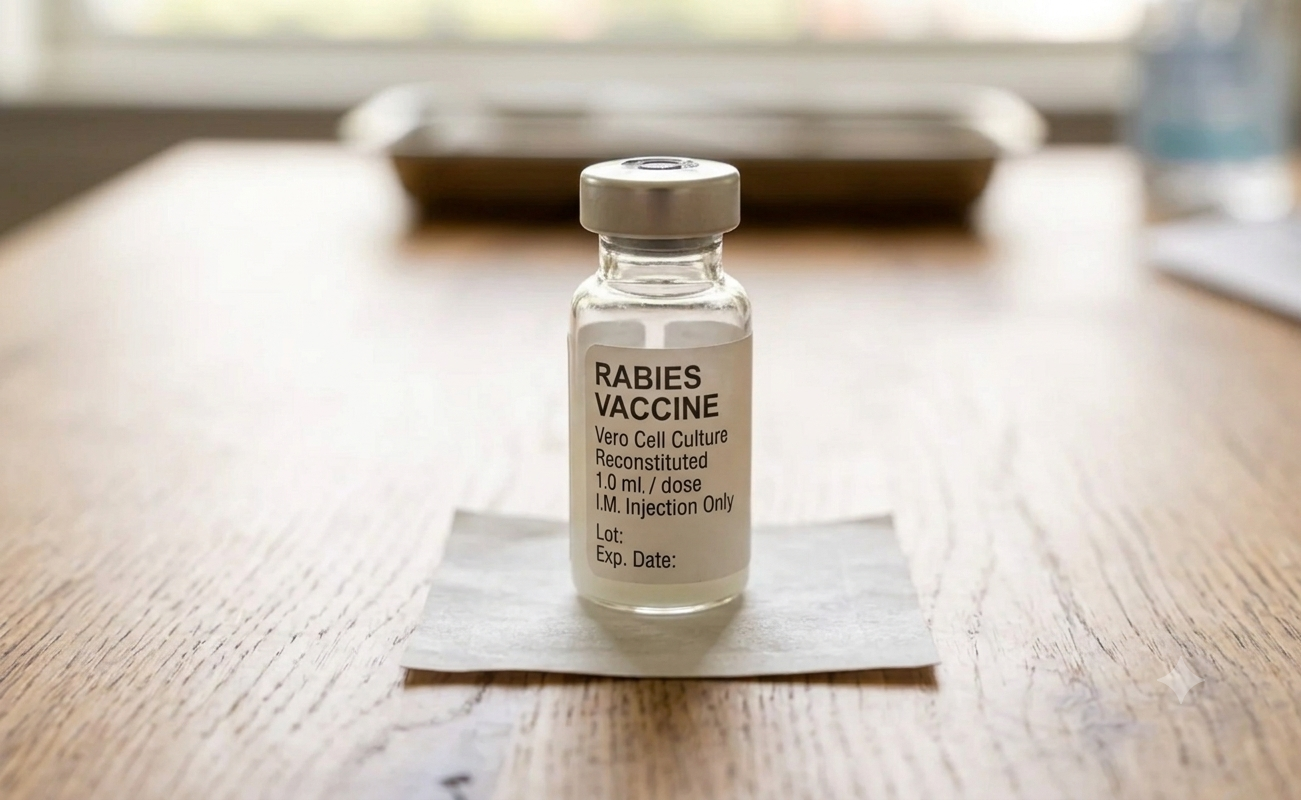
Rabies is nearly 100% fatal once symptoms appear. However, it can be prevented with timely vaccination. While vaccination in humans plays a key role, a new study has found that expanding dog vaccination, rather than introducing routine pre-exposure vaccination for children, is the most effective and cost-effective way to eliminate rabies deaths in people in Kerala, India.
The study published in The Lancet Regional Health evaluated rabies prevention strategies in Kerala, India, from 2026 to 2035. The study mentions that rabies causes an estimated 59,000 deaths globally each year, with India accounting for the largest share of the burden.
Currently, post-exposure prophylaxis (PEP) is given free of charge to almost one million people in Kerala every year, and the state has one of the highest vaccination completion rates in India. Despite this, Kerala reported 33 human rabies deaths in 2025, including deaths among children.
This study explored whether giving children rabies vaccines before they are bitten would bridge this gap, or if investments should focus elsewhere.
Major findings include
-
Childhood PrEP is not cost-effective
Adding routine childhood PrEP provides minimal additional protection (averaging fewer than 10 deaths averted over 10 years) at a high financial cost. It falls well outside India's standard cost-effectiveness threshold.
-
Mass dog vaccination is the most effective strategy
Vaccinating dogs addresses the problem at its root. Under scenarios where 70% of dogs were vaccinated, the study's mathematical model predicted that annual rabies deaths in Kerala would fall to near zero within around three years.
-
Diverting funds to PrEP harms public health
If funding for routine PrEP reduces stray dog vaccination efforts, human deaths increase (projected up to 488 over 10 years), making it the worst-performing strategy.
-
Adopting WHO's short PEP regimen saves money
Switching from India's current 4-dose PEP schedule to the WHO-recommended 1-week PEP regimen is cost-saving with zero loss in treatment effectiveness.
-
Improving timely access to treatment is crucial
Most rabies deaths occur when bite victims delay or fail to seek post-exposure treatment. Improving public awareness and healthcare access prevents far more deaths than expanding pre-exposure vaccines.
-
Stray Dog Populations
The model revealed that Kerala's actual stray dog population is likely 5 times higher than official census numbers, indicating that current dog vaccination programs are severely under-resourced.
For the study, researchers from the University of Glasgow collaborated with researchers from the Directorate of Medical Education, Kerala University of Health Sciences, School of Public Health, Directorates of Health and Animal Husbandry in Kerala and the London School of Economics and Political Science.
The study concludes that to eliminate human rabies deaths by 2030, health authorities should prioritise mass dog vaccination and switch to WHO's shorter PEP regimen.
Disclaimer: This content including advice provides generic information only. It is in no way a substitute for a qualified medical opinion. Always consult a specialist or your own doctor for more information. NDTV does not claim responsibility for this information.