

)
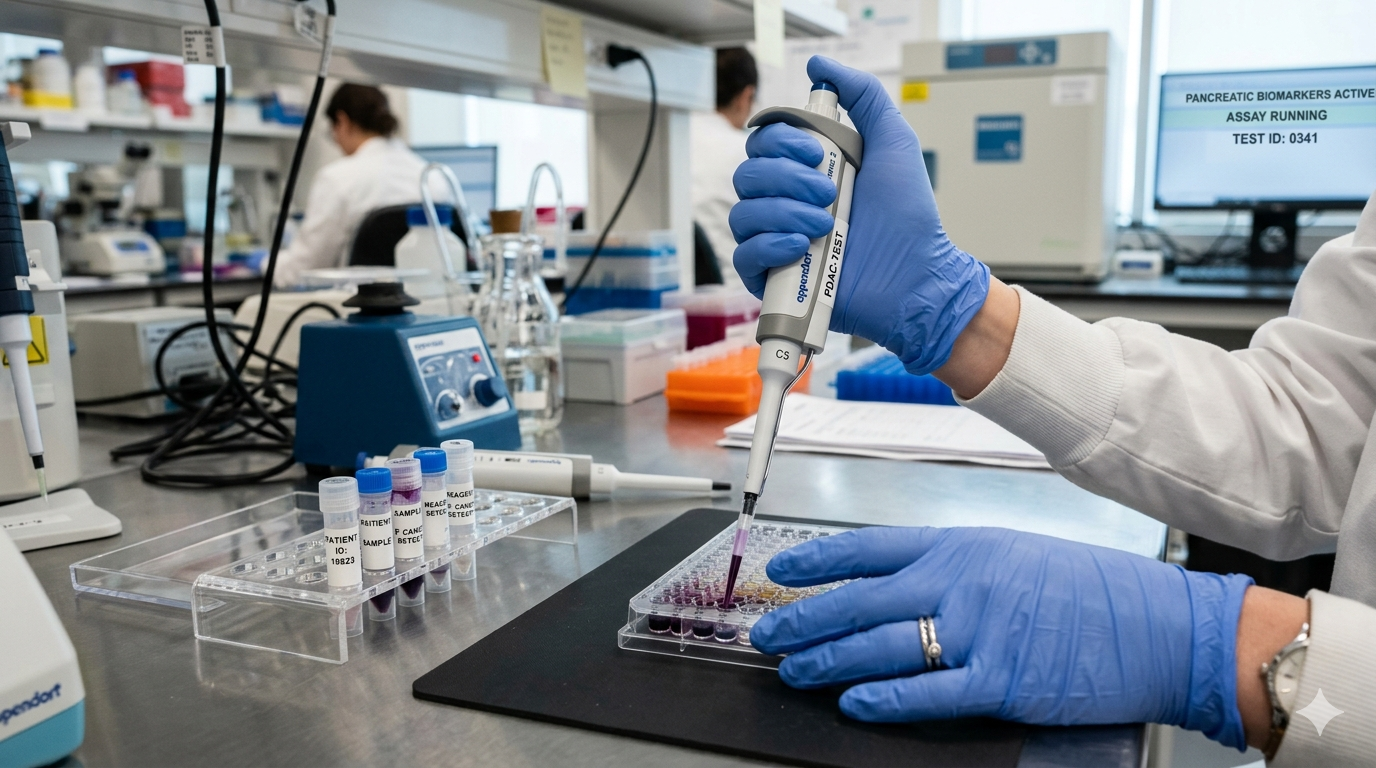
Pancreatic cancer is among the deadliest forms of cancer globally, largely because it is diagnosed too late. Often progressing silently, the disease shows few noticeable symptoms in its early stages, which means most patients are diagnosed only after it has spread. According to the World Health Organization (WHO), pancreatic cancer continues to have one of the lowest survival rates among major cancers, making early detection a critical challenge for healthcare systems worldwide. In a promising development, scientists in the United States have created a simple blood test that could help detect pancreatic cancer much earlier than currently possible. The study, supported by the National Institutes of Health (NIH) and published in Clinical Cancer Research, introduces a four-biomarker panel that significantly improves diagnostic accuracy.
By combining newly identified proteins with existing markers, the test is capable of identifying the disease even in its initial stages. If further validated, this innovation could mark a turning point in how pancreatic cancer is screened and treated, offering hope for improved outcomes in a disease where early intervention can make a life-saving difference.
Why Pancreatic Cancer Is Hard To Detect Early
Pancreatic cancer, particularly pancreatic ductal adenocarcinoma, is difficult to diagnose because symptoms such as abdominal pain, weight loss, or jaundice often appear only in advanced stages. Unlike breast or cervical cancer, there are no routine screening programmes for the general population.
One commonly used biomarker, CA19-9, has limited reliability. While it is useful in monitoring disease progression, it is not sensitive or specific enough for early diagnosis. Some individuals do not produce this marker at all, while others may show elevated levels due to non-cancerous conditions like inflammation of the pancreas.
This diagnostic gap has long driven research into better, more reliable biomarkers that can detect the disease before it becomes advanced and difficult to treat.
What The New 4-Marker Blood Test Shows
In the new study, researchers identified two novel proteins, aminopeptidase N (ANPEP) and polymeric immunoglobulin receptor (PIGR), that are present at higher levels in patients with early-stage pancreatic cancer.
These were combined with two established biomarkers, CA19-9 and thrombospondin-2 (THBS2), to create a four-marker panel. The results demonstrated strong diagnostic performance:
- Around 91% overall accuracy in detecting pancreatic cancer
- Approximately 87% sensitivity for early-stage disease
- A low false-positive rate, helping distinguish cancer from non-cancer conditions
Importantly, the test was able to differentiate pancreatic cancer from benign pancreatic diseases, which is a key limitation of current diagnostic tools. This makes it particularly valuable in clinical settings where accurate early detection is crucial.
How This Could Change Cancer Screening
A reliable, minimally invasive blood test could transform pancreatic cancer care in several ways. First, it offers a practical screening tool for high-risk groups, including those with a family history of pancreatic cancer or genetic mutations.
Second, it could help doctors detect the disease before symptoms appear, when treatment options such as surgery are more effective. Early-stage detection is closely linked to better survival outcomes, making this a potentially life-saving innovation.
Additionally, because the test relies on a simple blood sample, it could be integrated into routine health check-ups in the future, improving accessibility and compliance.
What Are The Limitations?
While the findings are encouraging, experts caution that the test is not yet ready for widespread clinical use. The current study was conducted on previously collected samples, and further research is needed to validate the results in real-world settings.
Future studies will need to assess the test's performance in larger, more diverse populations, including individuals without symptoms. Only after such validation can it be considered for routine screening or national health programmes.
Why This Matters For Indian Public Health
The implications of this breakthrough are particularly significant for India. According to the Indian Council of Medical Research, the burden of gastrointestinal cancers, including pancreatic cancer, is rising steadily due to factors such as ageing populations, increasing diabetes rates, and lifestyle changes.
In India, late diagnosis remains a major challenge due to limited awareness, lack of screening tools, and disparities in healthcare access. A simple, cost-effective blood test could bridge this gap by enabling earlier detection, especially in urban and semi-urban settings where diagnostic infrastructure is expanding.
Moreover, with India's growing emphasis on preventive healthcare, such a test could be integrated into routine screenings for high-risk individuals. This could reduce mortality, improve treatment outcomes, and ease the economic burden on families and the healthcare system.
The development of a four-marker blood test for early detection of pancreatic cancer represents a major scientific advance. By improving diagnostic accuracy and enabling earlier intervention, this innovation has the potential to significantly improve survival outcomes in one of the deadliest cancers.
While more research is needed before it becomes widely available, the findings offer a glimpse into a future where pancreatic cancer may no longer be diagnosed too late. For countries like India, such breakthroughs could play a crucial role in strengthening cancer care and saving lives.
Disclaimer: This content including advice provides generic information only. It is in no way a substitute for a qualified medical opinion. Always consult a specialist or your own doctor for more information. NDTV does not claim responsibility for this information.