

)
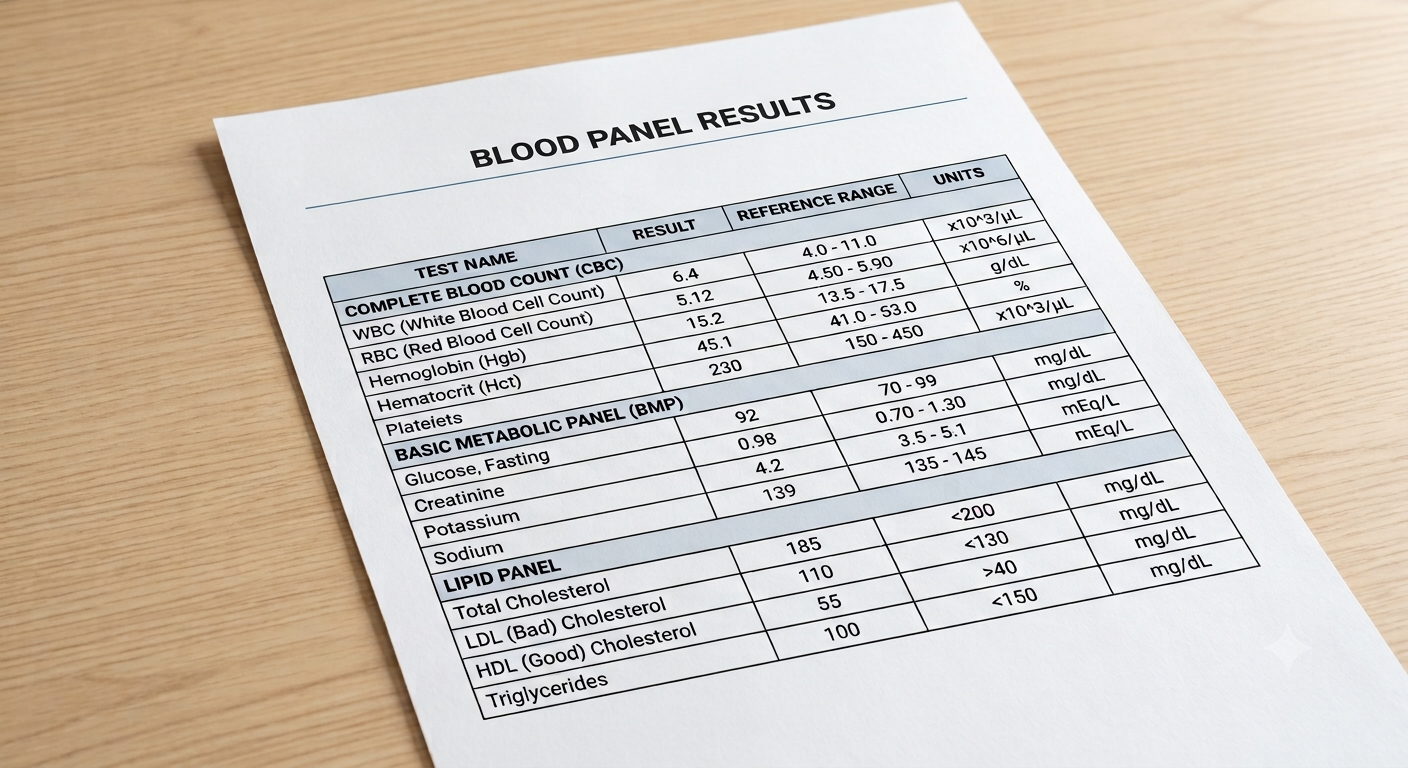
Your heart's health depends on multiple heart risk factors that determine your overall risk of developing a potential disease. The main culprit of heart disease is the exact cholesterol ratio, mainly LDL, or bad cholesterol, that builds up in the heart's arteries, but another factor that needs your attention is triglycerides. When triglycerides become elevated due to dietary or lifestyle factors, the risk for heart disease rises exponentially, which can become a major health concern. When someone who is at risk of heart disease gets their blood panel done, the exact ratio of their triglyceride-to-HDL ratio is what needs attention. The exact range is mentioned in the blood report, and any value below or above the norm is cause for alarm. Those who are at risk of cardiovascular or heart disease tend to have a higher ratio of triglycerides and a lower presence of HDL, or good cholesterol.
What Is The Triglyceride-To-HDL Ratio?
The ratio refers to the exact level of triglyceride or high-density lipoprotein that determines and affects heart health and HDL, or good cholesterol.
HDL needs to be higher in the body for it to protect the heart against potential damage due to stress, environmental factors, or age-related heart health issues.
There are reviews published in the Diagnostics journal that pinpoint that a higher triglyceride-to-HDL ratio can signal the possibility of metabolic syndrome, coronary heart disease, and even stroke risk.
For instance, to calculate the exact ratio, you end up with is based on this formula:
Triglycerides are divided by HDL cholesterol.
150 divided by 50 = 3 (hypothetical figures)
The ideal ratio is below 2, while a ratio between 2 and 4 is classified as borderline high.
And if it is higher than 6, then you need medical help immediately, as you could suffer from a cardiac event soon.
Why Is The Triglyceride-To-HDL Ratio Important?
The triglyceride-to-HDL ratio is important, as it measures possible insulin resistance as well as metabolic health.
The exact proportion of healthy fats in the body and their protective nature can be measured with this ratio.
When good cholesterol is present in ample amounts in the body, it can deal with potential oxidative stress and heart stress in a much better manner.
These cardiovascular risk factors can be used to predict heart disease, and this dangerous future could be avoided if the side effects of a heart malfunction are caught in time.
Can This Ratio Predict Heart Disease?
Research published in the Nutrition, Metabolism, and Cardiovascular Diseases Journal suggests that the TG/HDL-C ratio could be used as a measure to avoid serious heart health issues. Diseases such as atherosclerosis, artery plaque formation, coronary artery disease, and stroke risk could be increased if the triglyceride-to-HDL ratio is too high.
Dr Vinayak Agrawal, Senior Director and Head, Non-Invasive Cardiology, Fortis Gurgaon, explains, "A normal cholesterol report is often taken as reassurance that the heart is healthy. In practice, this assumption is being challenged more frequently, with heart attacks occurring in individuals whose routine reports do not indicate high risk."
The Connection Between Triglyceride-to-HDL Ratio And Insulin Resistance
Research published in the Biomedicines Journal suggests that the triglyceride-to-HDL ratio can serve as a practical measure of potential ischaemia. It can be used to predict disease risk for adults, children, and even those who are overweight.
What Is A Healthy Triglyceride-To-HDL Ratio?
A healthy triglyceride-to-HDL ratio can be determined by these figures:
- Below 2: Often considered favourable.
- 2-3: Intermediate
- Above 3: Increased concern
- Above 4: Higher cardiometabolic risk
It is important to note that this ratio can vary across laboratory settings and as per clinical limitations.
What Causes a High Triglyceride-To-HDL Ratio?
A higher triglyceride-to-HDL ratio is strongly associated with insulin resistance, as the liver is producing an excess amount of triglyceride-rich lipoproteins.
- Excess sugar intake can affect your internal stress on the body's organs and result in a spike in triglycerides.
- Obesity or excessive amounts of belly fat can increase the fatty acid released inside the liver, making the ratio higher.
- Physical inactivity is linked to lower good cholesterol and poorer triglyceride metabolism, causing an elevated ratio.
- Smoking tends to reduce HDL cholesterol as your metabolism is disturbed.
- Insulin resistance is a common concern tied to higher triglyceride counts.
- Type 2 diabetes can increase your ratio, as it is affected by glucose metabolism.
Signs Your Ratio May Be Higher Than Ideal
- Abdominal obesity
- Prediabetes
- Fatty liver
- Elevated triglycerides
- Low HDL levels
- Metabolic syndrome
How To Improve Your Triglyceride-To-HDL Ratio Naturally
You can naturally regulate your triglyceride-to-HDL ratio by introducing healthy lifestyle habits and can control your heart-healthy risk factors.
- Lose excess weight
- Reduce refined carbs.
- Increase physical activity.
- Eat healthy fats.
- Increase dietary fibre.
- Improve sleep quality
- Control blood sugar
Foods That Support A Healthy Triglyceride-To-HDL Ratio
Certain foods that are proven to help with maintaining a healthy triglyceride-to-HDL ratio are:
- Oats
- Nuts
- Seeds
- Fatty fish
- Olive oil
- Fruits
- Vegetables
- Legumes
When Should You Speak To A Doctor?
You should consult a doctor who is a cardiologist if your TG/HDL-C ratio is too high or even borderline high, as the risk of heart disease is present. Here is exactly when you need to consult a medical specialist:
- Persistently elevated triglycerides
- Family history of heart disease
- Diabetes
- Hypertension
- Obesity
When your heart health is vulnerable, and the risk is evident in a high triglyceride-to-HDL ratio, then attention is necessary. You can stabilise your ratio with help from a cardiologist.
Also Read: How To Calculate Your Cholesterol Ratio And What It Means For Your Heart Health
Disclaimer: This content including advice provides generic information only. It is in no way a substitute for a qualified medical opinion. Always consult a specialist or your own doctor for more information. NDTV does not claim responsibility for this information.