

)
When we think of iron-rich foods, spinach is probably the first thing that comes to mind. However, despite its healthy image, the popular leafy vegetable is not the most effective way to meet your iron needs. Spinach contains oxalates, natural compounds that reduce iron absorption, which means your body may not be able to utilise as much of the mineral as you think.
In an Instagram post, nutritionist Lovneet Batra explains why spinach is not the best source of iron and shares, “For decades, we have been told that spinach is the ultimate cure-all for low iron and low energy. But the numbers don't lie. Spinach only has 2.7 mg of iron per 100 g.” However, the good news is that there are several other everyday foods that contain more iron than spinach.
Here are the top seven Indian foods you can add to your diet to meet your iron needs:
1. Garden Cress Seeds
According to the nutritionist, garden cress seeds are an excellent option to meet your iron needs, as they contain 100 mg of iron per 100 g. She recommends soaking one tablespoon of the seeds in water overnight and drinking it in the morning with lemon. Alternatively, you can also add the seeds to your laddoos.
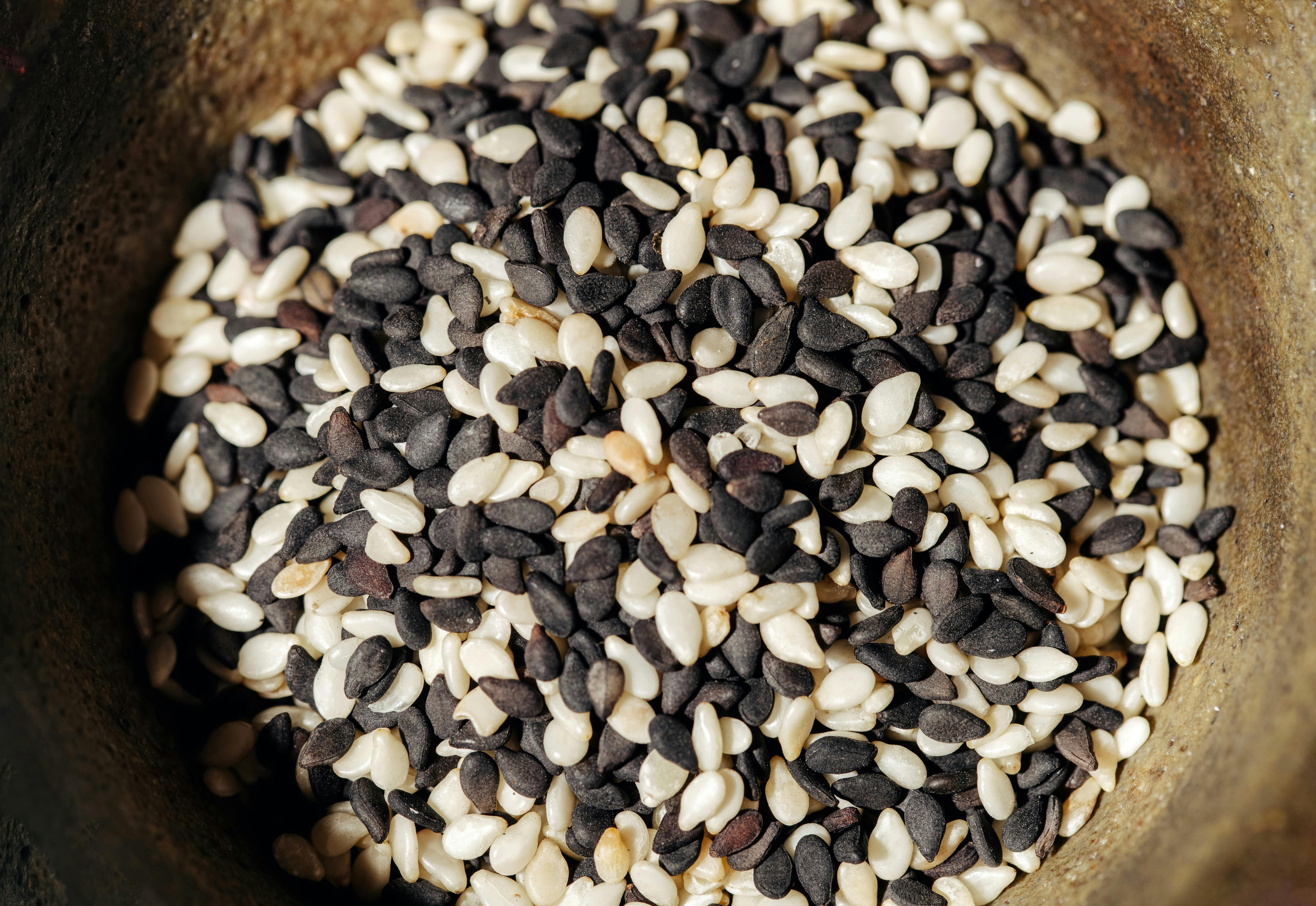
2. Sesame Seeds
She explains that sesame seeds contain 14.6 mg of iron per 100 g. However, the exact amount depends on the variety, as black sesame seeds contain significantly more iron and calcium than their white or hulled counterparts. “Add til (sesame seeds) to every meal you can. Pair them with vitamin C foods for better iron absorption,” Batra adds.
3. Horsegram/ Kulthi Dal
Kulthi dal is an iron-rich legume that provides up to 7 mg of iron per 100 g of raw seeds. This high iron content makes it an excellent dietary addition for maintaining haemoglobin levels and preventing iron-deficiency anaemia. The nutritionist recommends making this dal once a week.
4. Amaranth Leaves
Batra reveals that amaranth leaves contain around 3.9 mg of iron per 100 g. To maximise your body's iron absorption, it is recommended to pair amaranth leaves with vitamin C-rich foods, such as a squeeze of lemon juice or tomatoes.
5. Moringa Leaves
Moringa leaves are also a great source of plant-based iron, containing around 4 mg per 100 g in fresh leaves and about 25 mg to 28 mg per 100 g in dried powder. The nutritionist recommends adding half a tablespoon of moringa powder to dal daily.
6. Dried Figs/ Anjeer
Dried figs typically provide about 3.2 mg of iron per 100 g, making them a natural addition to your daily diet. Since the dehydration process concentrates nutrients, they contain more iron than fresh figs. However, remember not to eat too many, as they are high in natural sugars. The expert advises having two soaked dried figs every morning.
7. Lotus Seeds/ Makhana
Makhana contains 3.6 mg of iron per 100 g. To maximise the iron your body absorbs from makhana, try pairing it with a source of vitamin C, as it significantly boosts plant-based iron absorption. The nutritionist explains that makhana is a “guilt-free” iron snack and suggests roasting it in desi ghee and eating it daily.
Disclaimer: This content including advice provides generic information only. It is in no way a substitute for a qualified medical opinion. Always consult a specialist or your own doctor for more information. NDTV does not claim responsibility for this information.