

)
Heat stroke occurs when the body can no longer regulate its temperature. The body's core temperature can rise to dangerous levels of 40 degrees Celsius, or about 104 degrees Fahrenheit. The common causes of heat stroke could be related to prolonged exposure to high temperatures, dehydration, and excessive physical activity in hot or humid weather. Digestive changes may start appearing much earlier, as heat stroke could start affecting the body in various ways. This is known as a thermal leak and could also cause gut dysfunction.
What Is A Thermal Leak?
Thermal leak is not an official medical diagnosis, as it could be used to describe what happens when extreme heat damages the gut's barrier. The excessive amounts of heat could indirectly affect the blood flow to the skin for cooling.
If there is constant exposure to heat, then it could directly lead to an impact on the body.
Excessive heat can redirect blood to the skin for cooling, as your digestive system needs to be balanced.
How Extreme Heat Affects Your Digestive System
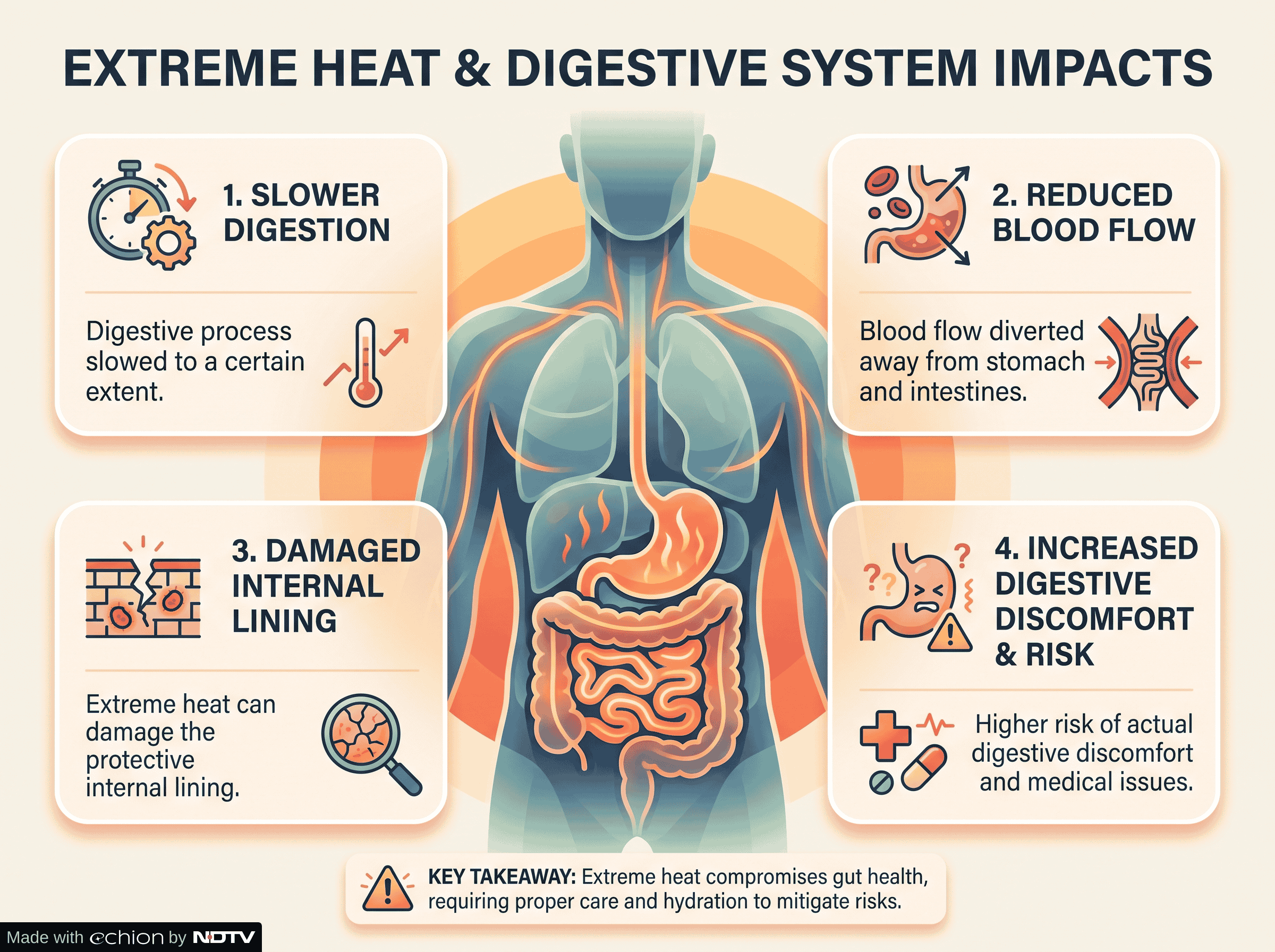
Extreme heat can affect your digestive system, as it can make your digestion slower. It can slow down your digestion to a certain extent. Furthermore, here are the ways that reduced blood flow can affect your digestive system:
- It can also reduce blood flow to the stomach and intestines, as extreme heat can damage the internal lining.
- There are always effects on gut barrier function that need to be taken care of properly.
- There is also an increased risk of medical issues such as actual digestive discomfort.
Early Gut Warning Signs Before Heat Stroke
Several signs may present themselves before a heat stroke that need to be taken care of:
- Loss of appetite
- Nausea
- Abdominal cramps
- Bloating
- Diarrhea
There are chances of stomach discomfort during intense heat levels that can take hold of your body.
Why Dehydration Makes Things Worse
- If you are dehydrated, then it could make things worse, as there is active fluid loss through sweating.
- It could reduce the efficiency of the digestive system, as it could lead to problems that need to be medically addressed.
- Another way that dehydration can make this worse is by reducing your digestive efficiency.
- Electrolyte imbalance and its impact on gut function can also stress out your system.
- The best way to do so is to protect your gut during extreme heat periods, as it could lead to various health issues.
The Science Behind Gut Leakage During Heat Stress
'Gut leakage' refers to heat stress that could cause increased permeability. In simple language. It can also cause heat stress, and it could weaken the gut's barrier and trigger the gut's protective barrier.
There is potential inflammation that could be triggered by heat exposure.
Who Is Most At Risk?
The people who remain most at risk are related to their occupation, which can be as follows:
- Outdoor workers
- Athletes
- Older adults
- People with chronic illnesses
- Children during heatwaves
When Digestive Symptoms Become A Medical Emergency
Digestive symptoms can become a medical emergency if you are experiencing any of the following:
- Persistent vomiting
- Severe dehydration
- Confusion
- High body temperature
- Signs of heat stroke
How to Protect Your Gut During Hot Weather
You need to protect your gut during hot weather by following these tips:
- Stay hydrated
- Replace electrolytes when needed.
- Avoid heavy meals during extreme heat.
- Eat water-rich fruits and vegetables.
- Limit alcohol consumption
Heat stroke rarely develops without any warning, as it typically presents with clear signs. The stomach and gut can show certain early signs of heat stress. These stomach and gut symptoms may show some of the earliest signs of heat stress, and you need to recognise them, as it could prevent a medical emergency.
Disclaimer: This content including advice provides generic information only. It is in no way a substitute for a qualified medical opinion. Always consult a specialist or your own doctor for more information. NDTV does not claim responsibility for this information.