

)
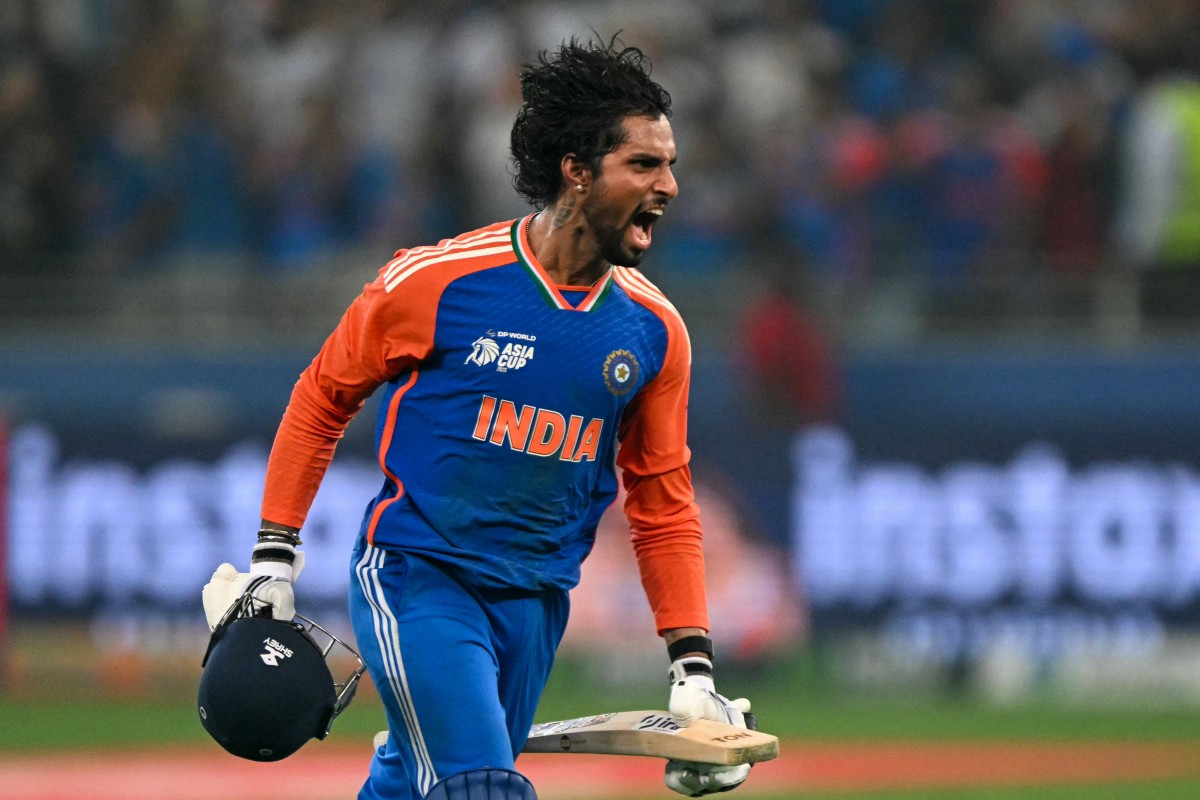
Testicular torsion has entered public awareness after Indian cricket star Tilak Varma underwent immediate surgery for the condition following acute groin pain. The 23-year-old's emergency intervention highlights just how serious and time-sensitive this urological issue can be, and why understanding its symptoms, causes and treatment is critical. According to NDTV Sports reports, Varma experienced sudden and intense pain, was quickly scanned and diagnosed, and taken for surgery to untwist the affected testicle and preserve blood flow.
Testicular torsion occurs when a testicle rotates on the spermatic cord, the structure that supplies blood to the testis. This twisting can interrupt blood flow and, if not corrected promptly, can lead to permanent damage or loss of the testicle. While it is relatively uncommon, affecting about 1 in 4,000 males under age 25, it almost always requires emergency surgical care.
Though most prevalent in adolescents and young adults, testicular torsion can occur at any age and sometimes without an obvious trigger. Recognising symptoms quickly and seeking immediate treatment are essential to save the affected testicle and protect reproductive health.
What Is Testicular Torsion?
Testicular torsion is a medical emergency in which a testicle twists on the spermatic cord, the structure that contains blood vessels and nerves leading to the scrotum. The twist blocks blood flow, depriving the testicle of oxygen and nutrients. Without rapid restoration of blood supply, testicular tissue can die.
This condition tends to occur spontaneously and can happen during vigorous activity, minor injury, cold exposure, or even while sleeping. An inherited anatomical trait known as the "bell clapper deformity", where the testicle has greater freedom to rotate in the scrotum, significantly increases the risk.
Although it can affect males at any age, torsion is most common between ages 12 and 18. Early diagnosis and treatment are crucial; outcomes deteriorate sharply with time.
Symptoms Of Testicular Torsion To Watch For
Key symptoms of testicular torsion include:
- Sudden, severe scrotal pain, often unilateral (one side)
- Scrotal swelling and redness
- Nausea and vomiting accompanying pain
- A testicle positioned higher than normal or at an unusual angle
- Lower abdominal discomfort or frequent urination in some cases
In many adolescents, the onset of pain occurs abruptly and may wake them from sleep. The severity of pain typically makes it a medical emergency.
Diagnosis Of Testicular Torsion: Acting Without Delay
Diagnosis is based on clinical examination followed by imaging to assess blood flow. An ultrasound with Doppler is the most common tool used to confirm decreased or absent blood flow to the testicle. If ultrasound is inconclusive but torsion is strongly suspected, some clinicians proceed directly to surgery to avoid delays.
Key clinical signs, such as absence of the normal cremasteric reflex (testicle rising when the inner thigh is stroked), can support diagnosis but are not always reliable alone.
Treatment And Prognosis For Testicular Torsion
Testicular torsion must be treated as an emergency. If identified within 4-6 hours, the testicle can often be saved. After this crucial period, the chance of salvage drops sharply, beyond 12 hours, the likelihood of saving the testicle is significantly reduced.
The primary treatment is surgical detorsion and orchiopexy, untwisting the cord and anchoring both testicles to the scrotum to prevent recurrence. In rare cases, doctors may perform a manual detorsion by gently manipulating the testicle, but surgery is still necessary to secure the testicles and prevent future torsion.
If blood flow has been absent for too long and tissue is non-viable, the affected testicle may need to be removed, a procedure called orchiectomy. This can have psychological and reproductive implications, though fertility is often preserved if the other testicle remains healthy.
Testicular Torsion Prevention And Risk Factors
There is no guaranteed way to prevent spontaneous testicular torsion, especially in those with anatomical predispositions. However, once a torsion has occurred in one testicle, surgeons typically fix both sides during surgery to reduce future risk.
Other risk factors include family history and previous episodes of intermittent torsion (where the testicle twists and untwists on its own).
When To Seek Help: Red Flags
Seek immediate emergency care if you experience:
- Sudden and severe testicular pain
- Pain accompanied by swelling or nausea
- Changes in testicle position or colour
Delays of even a few hours can profoundly affect outcomes. If pain subsides spontaneously but symptoms reoccur, urgent evaluation is still advised, as intermittent torsion can precede a complete twist.
Testicular torsion is a rare but serious condition that demands rapid recognition and treatment. The case of Tilak Varma underlines its unpredictability and the importance of early medical intervention. Understanding symptoms, seeking prompt care, and advocating for swift diagnosis can make the difference between saving a testicle and permanent damage.
Disclaimer: This content including advice provides generic information only. It is in no way a substitute for a qualified medical opinion. Always consult a specialist or your own doctor for more information. NDTV does not claim responsibility for this information.