

)
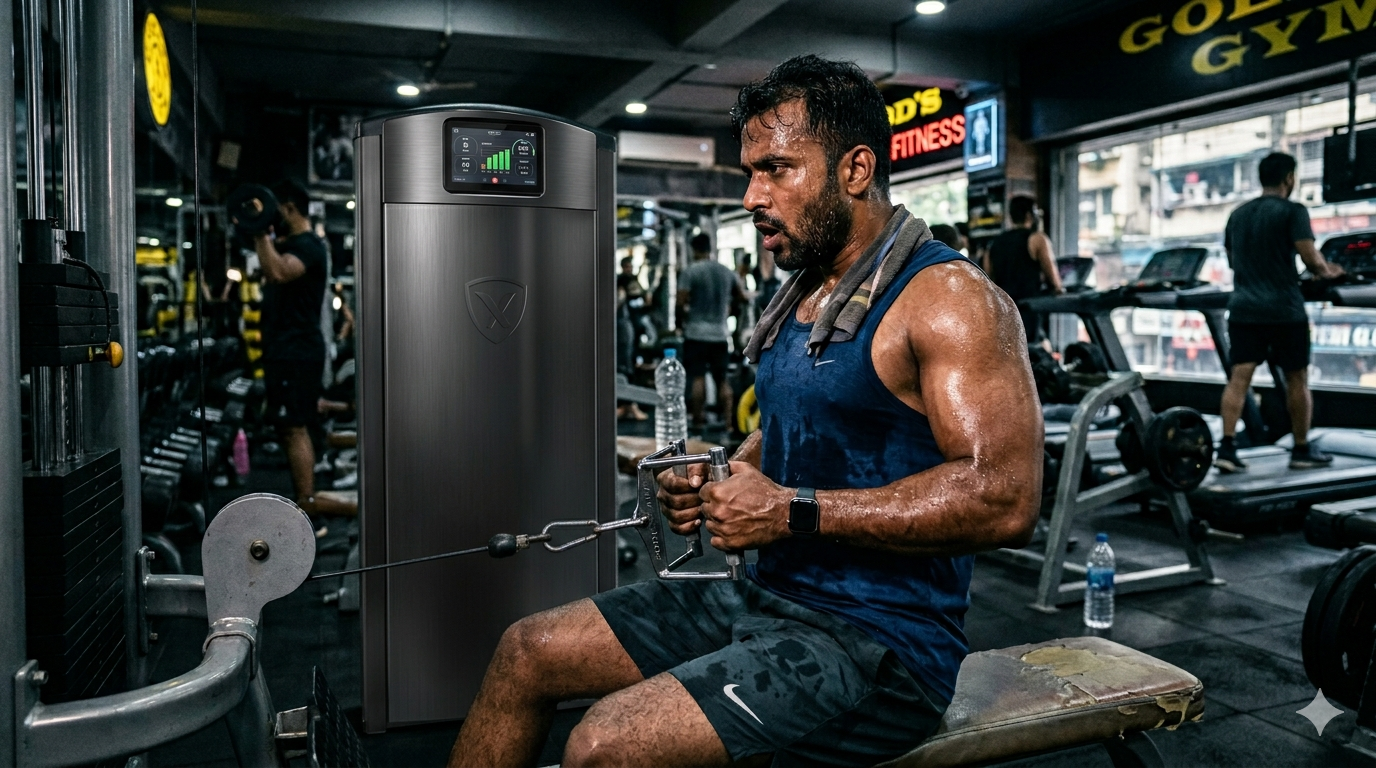
After an intense workout, many people judge their progress by how drenched they are in sweat. The common belief is simple: more sweating equals more fat burning. However, health experts say this is one of the biggest misconceptions around fitness and weight loss. While sweating often increases during exercise, it is not a direct sign that the body is burning more fat. In reality, sweat is simply the body's cooling system working to regulate temperature. Factors such as weather, humidity, hydration levels, genetics, clothing, and workout conditions can all affect how much a person sweats. Someone exercising in a hot room may sweat heavily without burning many calories, while another person working out in an air-conditioned gym may burn substantial calories with very little sweat. Experts stress that sustainable fat loss depends on calorie deficit, nutrition, muscle building, hydration, and consistency rather than the amount of sweat produced during exercise.
Why Do We Sweat During Exercise?
According to a study published in Sports Medicine The immediate drop in weight after a sweaty workout is just water loss, which returns as soon as you rehydrate. According to Ms. Bhavana, Consultant Nutritionist and Dietician at Gleneagles Hospital, sweating is the body's natural cooling mechanism. When body temperature rises due to exercise, heat, stress, or humidity, sweat glands release water and electrolytes to help cool the skin. The amount a person sweats can vary greatly from one individual to another. Genetics, climate, hydration status, fitness level, clothing, and workout intensity all influence sweating patterns. This means excessive sweating does not necessarily indicate a better workout or greater fat loss.
Also read: 6 Home Workouts That Help Burn The Most Calories
Does Sweating Mean Fat Loss?
Experts clarify that the weight people lose immediately after sweating is mostly water weight, not body fat. Once fluids are replaced by drinking water or electrolyte beverages, that lost weight usually returns. Actual fat loss happens when the body consistently burns more calories than it consumes over time, creating a calorie deficit. This process depends on overall lifestyle habits rather than temporary sweat levels.
For instance, sitting in a sauna or attending a hot yoga session may cause heavy sweating but only moderate calorie burn. On the other hand, strength training or cardio performed in a cool environment may burn substantial calories even if sweating is minimal.
Why Sweat Is Not a Reliable Fitness Indicator
Exercise physiologists say using sweat as a measure of workout effectiveness can be misleading. Some highly trained athletes actually sweat earlier and more efficiently because their bodies are better adapted to regulating temperature. Meanwhile, beginners may sweat less despite working extremely hard. Environmental conditions also matter significantly. High humidity and hot temperatures can trigger excessive sweating regardless of exercise intensity. Experts warn people against chasing sweat through unsafe methods such as sauna suits, plastic wraps, or deliberate dehydration. These practices can increase the risk of dehydration, dizziness, heat exhaustion, and dangerous electrolyte imbalances.
What Actually Helps Burn Fat?
Health experts recommend focusing on long-term healthy habits instead of temporary water loss. Sustainable fat loss depends on several key factors including regular exercise, balanced nutrition, adequate sleep, recovery, hydration, and strength training.
Strength training is especially important because it helps build muscle mass, which increases overall calorie expenditure. Adequate protein intake also supports muscle recovery and improves satiety.
Consistent physical activity combined with mindful eating remains one of the most effective ways to reduce body fat safely and sustainably.
How Much Water Should You Drink During Exercise?
Hydration becomes extremely important during workouts because sweating leads to fluid and electrolyte loss. Ms Bhavna recommends, drinking around 400 to 600 ml of water two to three hours before exercise. During workouts, especially prolonged sessions, individuals should consume approximately 150 to 250 ml of water every 15 to 20 minutes.
After exercise, fluid replacement is equally important. Nutrition experts advise drinking roughly 1 to 1.5 litres of water for every kilogram of body weight lost during exercise.
Also read: Weight Loss Tips: 9 Most Calorie-Burning Exercises
For people exercising longer than 60 minutes, particularly in hot weather conditions, oral rehydration solutions or electrolyte-based sports drinks may help maintain fluid balance.
Why Body Composition Matters More Than Weight
Experts say body composition offers a far better picture of health and fitness progress than sweating or scale weight alone. Body composition analysis helps measure fat mass, muscle mass, water content, and lean body mass separately. A person may lose body fat and inches while gaining muscle, even if the weighing scale changes very little.
Methods such as waist circumference measurements, BMI, skinfold testing, bioelectrical impedance analysis (BIA), and DEXA scans can provide a clearer understanding of real fat loss and overall health improvement. Sweating is a sign that the body is cooling itself, not proof that fat is melting away. While intense workouts may naturally increase sweating, true fat loss depends on consistent healthy habits over time.
Experts say the focus should shift from "how much you sweat" to how well you nourish, train, hydrate, and recover your body. Sustainable results come from balance, not dehydration.
Disclaimer: This content including advice provides generic information only. It is in no way a substitute for a qualified medical opinion. Always consult a specialist or your own doctor for more information. NDTV does not claim responsibility for this information