





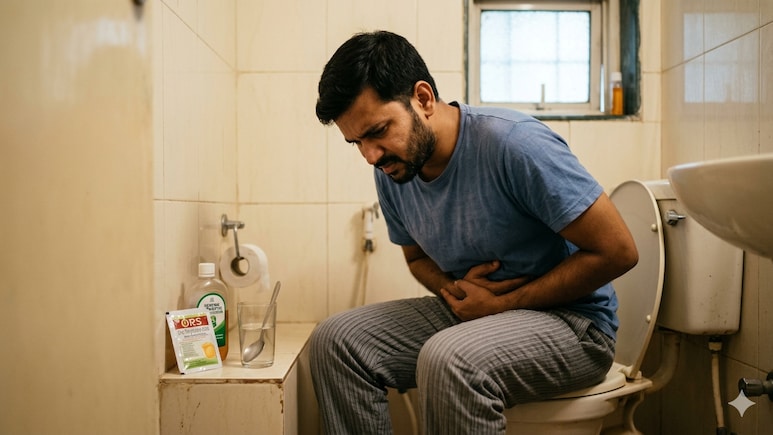
- Summer heat and humidity increase acute gastroenteritis cases due to microbial growth in food and water
- Common symptoms include loose stools, abdominal cramps, nausea, vomiting, and varying dehydration levels
- Antibiotics are often misused for viral diarrhoea, which can worsen gut health and promote resistance
As temperatures soar, so do cases of stomach infections. What many people dismiss as a "seasonal upset stomach" can actually be a sign of acute gastroenteritis, a common condition that tends to spike during the summer months. According to Dr Pankaj Puri, Director of Gastroenterology at Fortis Escorts Heart Institute, the rise in cases is closely linked to environmental conditions. "Summer months are associated with a higher incidence of acute gastroenteritis due to increased microbial proliferation in food and water under high temperature and humidity conditions," he explains.
Why Summer Triggers Gut Problems
Heat and humidity create the perfect breeding ground for bacteria and viruses. Food spoils faster, water sources may become contaminated, and hygiene practices often slip, especially during travel or outdoor eating. This combination significantly raises the risk of ingesting harmful microbes, leading to digestive issues. Clinically, patients may experience:
- Frequent loose stools
- Abdominal cramps
- Nausea or vomiting
- Dehydration of varying severity
While these symptoms may appear mild initially, they can escalate quickly if not managed properly.
Also read: Why Are Diarrhea Cases Rising In Children Under 5? ICMR Study Reveals Causes
The Antibiotic Mistake Many People Make
One of the biggest concerns doctors are seeing today is the misuse of antibiotics for diarrhoea. "A concerning trend is the indiscriminate use of antibiotics and over-the-counter medications without medical consultation," says Dr Puri.
He adds that most summer-related diarrhoeal illnesses are viral. "The majority of acute diarrhoeal episodes during this season are viral in etiology, where antibiotics have no therapeutic role."
Taking antibiotics unnecessarily can do more harm than good. It can disrupt the natural balance of gut bacteria, a condition known as gut dysbiosis, which may actually prolong symptoms.
Additionally, overuse contributes to the growing global threat of antibiotic resistance, making future infections harder to treat.
What Actually Helps: Simple, Effective Treatment
When it comes to managing summer diarrhoea, the focus should be on supportive care rather than aggressive medication. "Adequate rehydration remains the cornerstone of treatment," Dr Puri emphasises. The most effective and widely recommended solution is Oral Rehydration Salts, which helps restore lost fluids and essential electrolytes. Depending on the severity of dehydration, treatment may include:
- ORS solutions at home
- Increased intake of fluids like water, coconut water, and clear soups
- Intravenous fluids in severe cases
Diet also plays an important role in recovery. A bland, easy-to-digest diet allows the gut to heal. Foods like rice, bananas, toast, and curd are often recommended.
Who Needs To Be Extra Careful?
While anyone can develop summer diarrhoea, certain groups are more vulnerable and may experience complications more quickly. These include:
- Children
- Elderly individuals
- People with weakened immune systems
Such individuals should be monitored closely for signs of dehydration or worsening symptoms.
Prevention: Your First Line Of Defence
The good news is that most cases of summer diarrhoea are preventable with simple precautions. Dr Puri stresses the importance of basic hygiene and safe consumption habits:
- Drink only clean, filtered, or boiled water
- Avoid street food or improperly stored meals
- Wash hands thoroughly before eating
- Ensure fruits and vegetables are properly cleaned
These small steps can significantly reduce your risk of infection during the hotter months.
Also read: Nausea In The Morning: 7 Possible Causes Other Than Pregnancy You Need To Know
When Should You See A Doctor?
While many cases resolve on their own, certain warning signs should never be ignored. "Red flag signs such as persistent diarrhea beyond 48-72 hours, high-grade fever, hematochezia, or signs of severe dehydration such as decreased urine output, dizziness and hypotension warrant prompt medical evaluation," warns Dr Puri. In such cases, timely medical care may involve hospital admission and targeted treatment to prevent complications.
Summer diarrhoea is common, but it should not be taken lightly. The combination of heat, humidity, and food contamination creates a perfect storm for gut infections. Avoid self-medication, stay hydrated, and prioritise hygiene. Most importantly, listen to your body and seek medical help when needed. With the right awareness and precautions, you can protect your gut health and stay safe through the summer season.
Disclaimer: This content, including advice, provides generic information only. It is in no way a substitute for a qualified medical opinion. Always consult a specialist or your own doctor for more information. NDTV does not claim responsibility for this information.
Track Latest News Live on NDTV.com and get news updates from India and around the world

