)
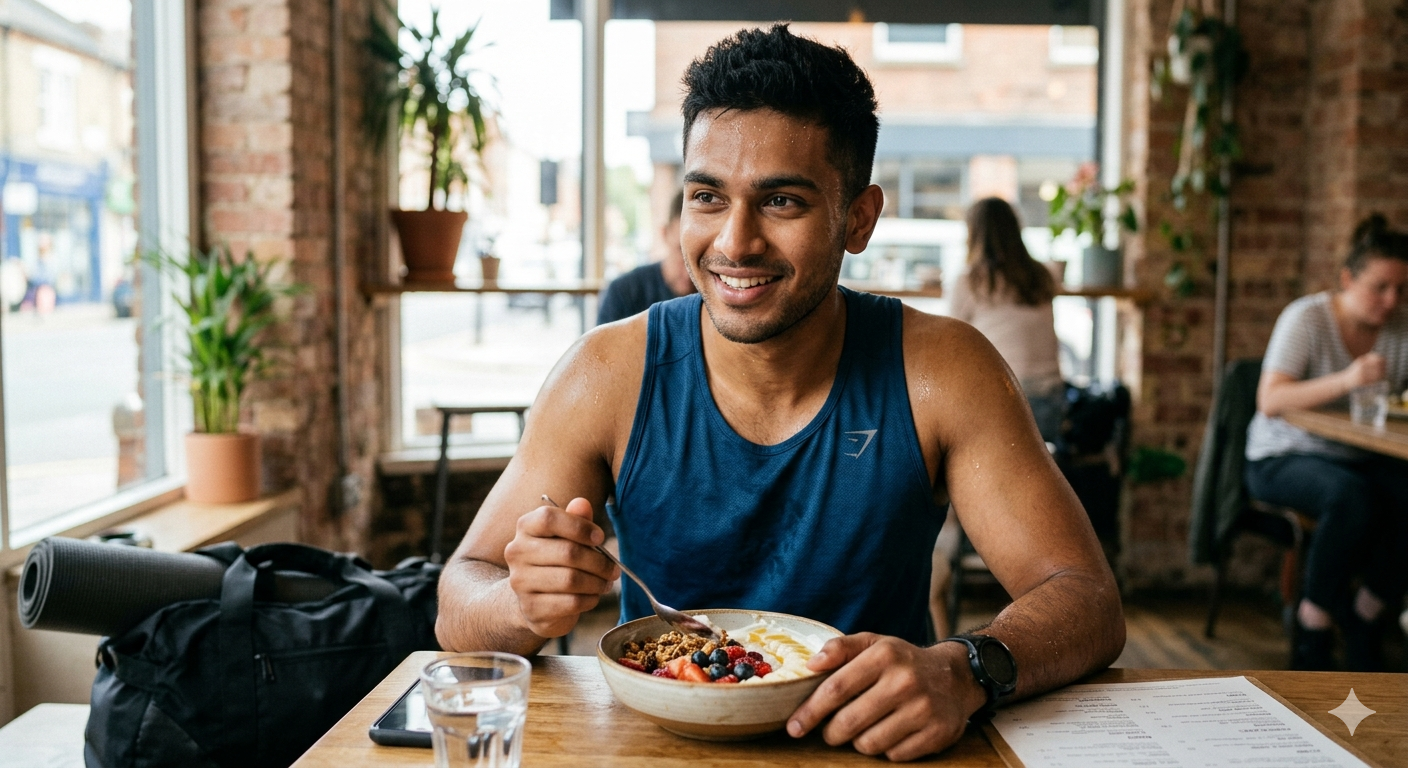
Nutrition and exercise go hand in hand. The relationship between the two is crucial for maximising performance, recovery, and overall health. Proper nutrition fuels the body, providing the necessary energy and nutrients to perform exercises effectively and recover afterwards. Eating before exercising is important for several reasons. A well-balanced pre-workout meal can help boost energy levels, improve endurance, and enhance concentration during the workout. However, some people find that training without eating first works for them, particularly for activities like low-intensity cardio, where fat can be used as a primary energy source.
Should you work out on an empty stomach?
Whether you should work out on an empty stomach depends entirely on your specific fitness goals, health status, and the intensity of your exercise.
Working out on an empty stomach, often referred to as fasted training, has its pros and cons. Fasted cardio can increase immediate fat burning during low-intensity sessions. However, high-intensity workouts or strength training typically require adequate fuel to optimise performance and avoid fatigue. Working out completely empty often reduces overall stamina, promotes muscle breakdown, and can leave you feeling dizzy. Thus, while some may benefit from fasted workouts, it's not suitable for everyone.
Tips to fuel correctly
For optimal performance and recovery, strategic fuelling is usually the safer and more effective choice. Foods rich in carbohydrates provide quick energy, while proteins can aid in muscle repair and growth. Ideally, you should consume your pre-workout meal about 30 to 60 minutes before exercising to give your body enough time to digest and convert the food into usable energy.
Pre-workout fuelling
- Focus on complex carbs
Carbs are your body's preferred source of quick fuel. Foods like whole grains, fruits, and vegetables will provide sustained energy release.
- Keep fats and fibre low
Saturated fats and heavy fibres slow down digestion, drawing blood flow away from muscles to your stomach.
-
Add moderate protein
A small amount keeps you full and primes muscles for recovery.
- Keep it light
Avoid heavy or greasy foods that can cause discomfort during your workout.
- Listen to your body
Everyone has different needs, so pay attention to how your body responds to various foods and timing.
- Stay hydrated
Drink plenty of water before, during and after your workout to prevent dehydration, which can impact performance.
Importance of pre-workout meals and some options
When you eat the right nutrients before a workout, you prevent early fatigue and avoid the lightheadedness caused by low blood sugar. Some pre-workout options include:
- Oats with protein powder
- Eggs with whole grain toast
- Yogurt bowl
- Roasted makhana
- Smoothie or shakes
- Handful of nuts
- Banana
By combining proper nutrition with your workout routine, you can enhance your performance, achieve your fitness goals, and support overall well-being.
Disclaimer: This content including advice provides generic information only. It is in no way a substitute for a qualified medical opinion. Always consult a specialist or your own doctor for more information. NDTV does not claim responsibility for this information.