

)
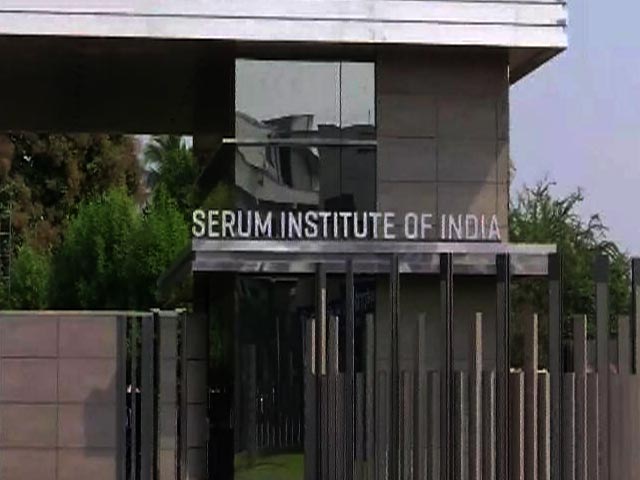
India's Serum Institute of India (SII) has announced that it will manufacture an experimental tuberculosis (TB) vaccine under an agreement with the Gates Medical Research Institute (Gates MRI), marking a major milestone in the global fight against one of the world's deadliest infectious diseases. If approved, M72/AS01E could become the first new tuberculosis vaccine in more than a century, offering fresh hope against a disease that continues to claim over a million lives every year despite being preventable and treatable. As part of the agreement, Serum Institute will invest more than 100 million US Dollar to build manufacturing capacity and prepare for large-scale production of the vaccine once it receives regulatory approval.
Serum Institute To Invest Over 100 Million US Dollar
The partnership will see Gates MRI transfer the technology and manufacturing know-how required to produce the vaccine antigen, enabling Serum Institute to manufacture the vaccine at scale. Meanwhile, pharmaceutical company GSK, which originally developed the vaccine candidate, will continue supplying the AS01E adjuvant, an ingredient that enhances the body's immune response.
Also read: UN Warns Global Immunisation Progress At Risk As Vaccination Gaps Grow
What Is M72/AS01E?
The experimental vaccine has been under development for nearly 20 years and is currently undergoing late-stage Phase 3 clinical trials. Unlike the century-old BCG vaccine, which primarily protects infants against severe forms of TB, M72/AS01E is designed to help prevent pulmonary tuberculosis in adolescents and adults, the group responsible for most TB transmission worldwide. The vaccine was initially developed by GSK before being licensed to Gates MRI, which is now leading the ongoing Phase 3 trial with funding support from the Bill and Melinda Gates Foundation and Wellcome.
Why Is A New TB Vaccine Needed?
Tuberculosis remains one of the world's biggest public health challenges. According to the World Health Organisation (WHO), TB is the leading cause of death from a single infectious agent, surpassing many other infectious diseases. WHO estimates show that:
- Nearly 11 million people developed tuberculosis in 2024
- Around 1.23 million people died from the disease
- India continues to carry the world's highest TB burden, alongside Indonesia, the Philippines, China, Pakistan, and Nigeria
Although TB is curable with antibiotics, drug-resistant strains, delayed diagnosis, and limited vaccine protection continue to hamper global elimination efforts.
Could This Vaccine Make A Big Difference?
According to projections shared by Serum Institute and Gates MRI, the impact could be enormous if the vaccine proves successful. The organisations cited WHO estimates suggesting that a vaccine with the expected efficacy could:
- Prevent 76 million new TB cases
- Save 8.5 million lives
- Reduce healthcare costs and productivity losses by 41.5 billion US Dollar for TB-affected households over the next 25 years
Such gains would significantly accelerate global efforts to eliminate tuberculosis.
Also read: Nutritional Support To 2.8 Million Tuberculosis Patients Could Avert 120,000 Deaths Yearly: Study
What About The BCG Vaccine?
Currently, the Bacille Calmette-Guérin (BCG) vaccine remains the only licensed TB vaccine in widespread use. While BCG offers good protection against severe TB in young children, its effectiveness against pulmonary TB in adolescents and adults varies considerably. This gap has driven decades of research to develop more effective vaccines like M72/AS01E. Serum Institute's partnership with Gates Medical Research Institute represents a significant step toward expanding access to what could become the first new tuberculosis vaccine in more than 100 years. Although M72/AS01E is still undergoing late-stage clinical trials and has not yet received regulatory approval, experts believe it has the potential to transform global TB prevention, particularly in high-burden countries like India, where the disease continues to pose a major public health challenge.
Disclaimer: This content including advice provides generic information only. It is in no way a substitute for a qualified medical opinion. Always consult a specialist or your own doctor for more information. NDTV does not claim responsibility for this information.