

)
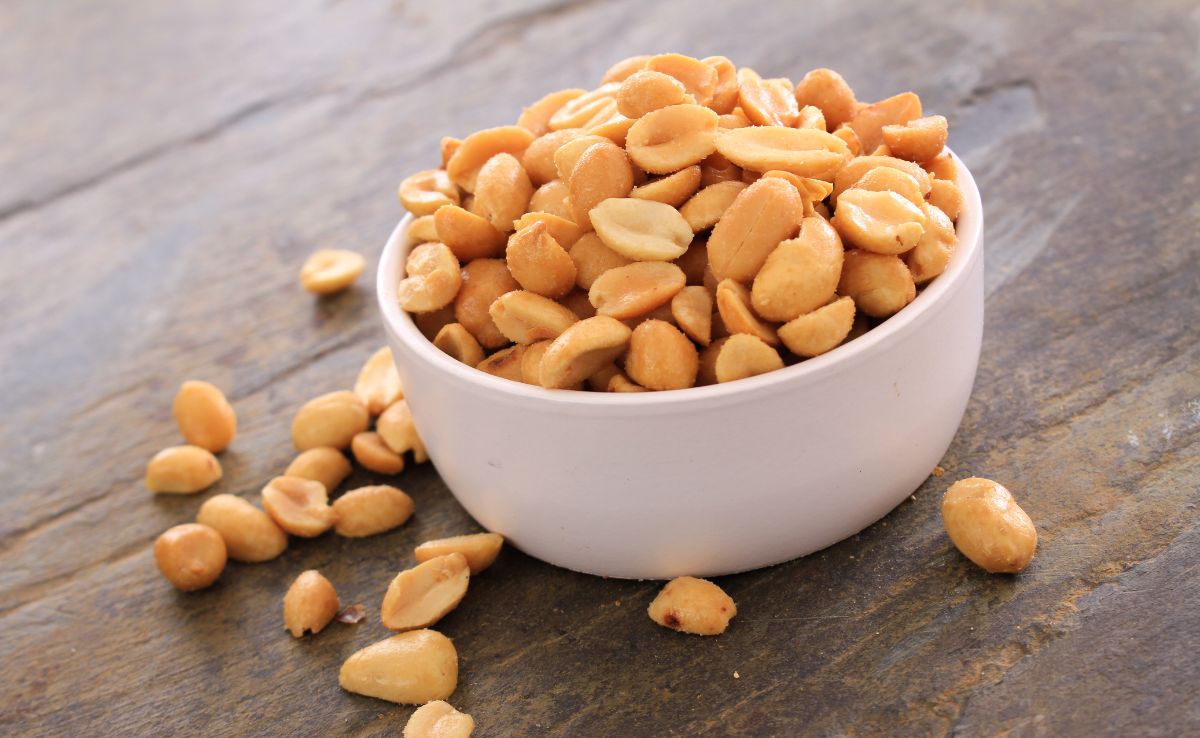
Do you enjoy spending winter afternoons snacking on peanuts while soaking up some sun? Peanuts are a popular choice during the colder months for several reasons. Their satisfying crunch and rich, nutty flavour make them a comforting snack on chilly days. They are also an excellent source of energy, which can be particularly beneficial in the winter. Peanuts are packed with essential nutrients, including protein, healthy fats, fibre, and various vitamins and minerals. Although they are high in calories and often associated with weight gain, several studies suggest that peanuts can actually assist with weight management.
Can snacking on peanuts lead to weight gain?
While peanuts are nutrient-dense, it's essential to be mindful of portion sizes since they are also calorie-dense. Consuming them in excess can lead to weight gain. However, when eaten in moderation, peanuts can fit into a healthy diet without necessarily contributing to weight gain.
"Eating excessive amounts of peanuts may lead to weight gain (aside from the calorie density of their healthy fat content). While peanuts provide many healthy nutrients, including protein and fibre, which help people feel satisfied, they don't directly contribute to fat accumulation if consumed in controlled portions. In fact, weight gain typically occurs when an individual's daily total-calorie consumption exceeds what is required by the body on an ongoing basis," explains Dr. Vivek Bindal, Senior Director & Head - Max Institute of Minimal Access, Bariatric & Robotic Surgery, Max Super Speciality Hospital, Vaishali.
Things to keep in mind to enjoy peanuts without gaining weight
"The maximum daily consumption of peanuts should be limited to 25g, either roasted or boiled with no added sugars or salt. The ideal way to consume peanuts is as a snack or part of a meal right before lunch (before noon). Do not consume them mindlessly or eat varieties that are fried or coated with oil. Diabetics, people with kidney disease, or persons with obesity will need to follow specific guidelines from their physician or dietitian," Dr. Bindal advised.
1. Watch your portions: A handful (about 1 ounce or 28 grams) is typically a good serving size. This amount helps you enjoy their benefits without overindulging.
2. Opt for unsalted versions: Choosing unsalted peanuts can help you avoid excess sodium, which can raise blood pressure and lead to other health issues.
3. Pair wisely: Pair peanuts with fruits or vegetables to create a balanced snack that is even more filling and nutritious.
4. Avoid sugary or fried varieties: Stick to raw or dry-roasted peanuts instead of those coated in sugar or fried in oil to minimize extra calories and unhealthy fats.
5. Engage in regular physical activity: Maintain an active lifestyle to help balance your caloric intake with caloric expenditure, making it easier to enjoy treats like peanuts without gaining weight.
6. Check for allergies: Peanuts are one of the most common food allergens, which can be severe and even potentially life-threatening. Individuals with this allergy should avoid all peanuts and peanut products.
Some notable health benefits of eating peanuts:
- Peanuts are packed with essential nutrients, including protein, healthy fats, fibre, vitamins (like vitamin E and B vitamins), and minerals (such as magnesium and phosphorus).
- The monounsaturated fats in peanuts can help improve heart health by reducing bad cholesterol levels.
- Being a great source of plant-based protein, peanuts can help in muscle repair and growth, making them a good snack for those who are active.
- The combination of healthy fats and protein can help keep you feeling fuller for longer, which may reduce the urge to snack frequently on less nutritious foods.
- Peanuts contain antioxidants, including resveratrol, which may help combat oxidative stress in the body.
This winter, enjoy peanuts in moderation to maximize their benefits without the risk of weight gain.
Disclaimer: This content including advice provides generic information only. It is in no way a substitute for a qualified medical opinion. Always consult a specialist or your own doctor for more information. NDTV does not claim responsibility for this information.