

)
Second-hand smoke can irritate the airways, worsen asthma symptoms and increase the risk of serious lung problems. Doctors explain why even non-smokers need protection from tobacco smoke. You do not have to smoke a cigarette yourself to be affected by tobacco smoke. Sitting in a room with someone who is smoking, spending time in a smoke-filled workplace or travelling in a car where someone smokes can expose you to second-hand smoke. Also known as passive smoking, second-hand smoke is a mixture of smoke released from a burning cigarette, bidi, cigar or other tobacco product and smoke exhaled by a smoker. While the level of exposure can vary depending on the setting and duration, there is no completely safe level of exposure to tobacco smoke. According to Dr Harish Verma, Director, Pulmonology, ShardaCare - Healthcity, repeated exposure to second-hand smoke can have a significant impact on lung health, particularly when exposure occurs regularly in enclosed spaces.
How Does Passive Smoking Affect The Lungs?
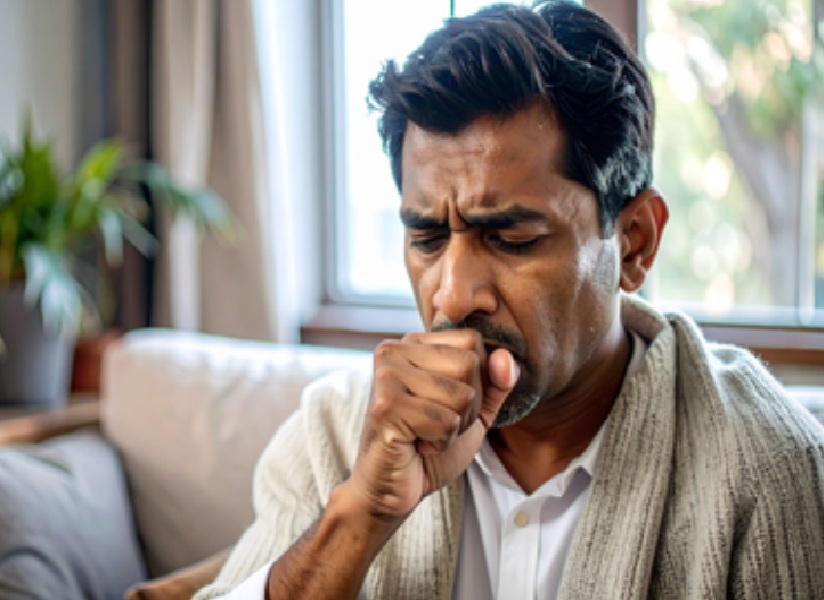
The respiratory system comes into direct contact with inhaled tobacco smoke. Tobacco smoke contains thousands of chemicals, many of which can irritate the airways and damage the respiratory tract. “Passive smoking can irritate the airways, increase inflammation and affect the natural defence mechanisms of the respiratory system,” Dr Verma said. Repeated exposure may increase mucus production and contribute to airway inflammation. Over time, this can result in symptoms such as coughing, wheezing, throat irritation and breathlessness. For people who already have respiratory conditions, the effects can be more noticeable.
Passive Smoking Can Worsen Asthma
People living with asthma can be particularly sensitive to tobacco smoke. Exposure can irritate already sensitive airways and may trigger or worsen symptoms. Regular exposure to second-hand smoke may contribute to more frequent respiratory symptoms and asthma attacks, especially when exposure happens at home or in other enclosed environments. If a person with asthma notices that coughing, wheezing or breathing difficulty becomes more frequent after being around smokers, reducing exposure is an important step.
Why Children Need Extra Protection
Children are especially vulnerable to second-hand smoke because their lungs and immune systems are still developing. Regular exposure to tobacco smoke has been linked with a higher risk of respiratory infections and respiratory symptoms in children. It can also worsen asthma in children who already have the condition. A child may be exposed to smoke repeatedly without anyone actually smoking directly in front of them. For example, smoke from cigarettes can remain in indoor environments, particularly when smoking happens frequently inside the home.
Infants and young children can also come into contact with tobacco-related residues that settle on clothes, furniture, carpets and other surfaces. This is commonly referred to as third-hand smoke.
Does Opening A Window Protect You From Second-Hand Smoke?
Simply opening a window or switching on a fan may reduce the concentration of smoke in a room, but it does not completely eliminate exposure. Smoke can spread through indoor air and tobacco-related pollutants can remain on surfaces. Similarly, smoking in another room does not necessarily prevent other household members from being exposed. This is particularly important in homes with children, older adults or people with asthma and other respiratory conditions.
Smoking In A Car Can Also Expose Others
Cars and other enclosed spaces can allow tobacco smoke to accumulate quickly. Even if a window is open, passengers may still be exposed to tobacco smoke. Children travelling regularly in a vehicle where someone smokes can therefore receive repeated exposure despite not being smokers themselves. Keeping cars completely smoke-free is an important way to reduce second-hand smoke exposure.
Can Passive Smoking Increase The Risk Of Lung Cancer?
Long-term exposure to second-hand smoke is associated with an increased risk of lung cancer in non-smokers. The risk depends on factors including the intensity and duration of exposure. Someone who spends several hours every day in an environment where others smoke may have considerably more exposure than someone who encounters tobacco smoke only occasionally. This is one reason why creating smoke-free homes and workplaces is important not only for smokers trying to quit but also for people around them.
What Can You Do To Reduce Exposure?
The most effective way to protect non-smokers is to eliminate exposure at its source. Experts recommend keeping homes and cars completely smoke-free rather than relying on ventilation, fans or open windows. Smoking outdoors and away from doors, windows and other areas where smoke can enter can also reduce exposure to others. For families, particularly those with young children, establishing a strict no-smoking rule indoors can help create a healthier respiratory environment.
When Should You See A Doctor?
Persistent respiratory symptoms should not simply be attributed to passive smoking. Anyone experiencing a persistent cough, unexplained breathlessness, recurrent chest infections, wheezing or a noticeable reduction in exercise tolerance should speak to a doctor. Medical evaluation is particularly important for people with prolonged exposure to tobacco smoke or an existing respiratory condition. The key message is simple: you do not need to be a smoker to be affected by tobacco smoke. Reducing exposure, maintaining smoke-free indoor spaces and avoiding smoking around family members can help protect lung health. A smoke-free environment is one of the simplest ways to reduce unnecessary exposure to tobacco-related pollutants, particularly for children and people with existing lung conditions.
Disclaimer: This content including advice provides generic information only. It is in no way a substitute for a qualified medical opinion. Always consult a specialist or your own doctor for more information. NDTV does not claim responsibility for this information.