

)
Your kidneys primarily filter waste products and excess fluids from the blood, which are excreted as urine. In addition to waste elimination, the kidneys help regulate several important bodily functions. They maintain the right balance of fluids in the body, which is vital for proper hydration and organ function. Kidneys also regulate levels of electrolytes like sodium, potassium, and calcium, which are essential for muscle function, nerve transmission, and other critical processes. Additionally, they are responsible for blood pressure regulation and red blood cell production. However, a few daily habits can negatively affect your kidney function. While dehydration, smoking and high sodium intake are well-known causes of kidney issues, overuse of painkillers can also pose a significant risk.
How painkillers affect kidney health
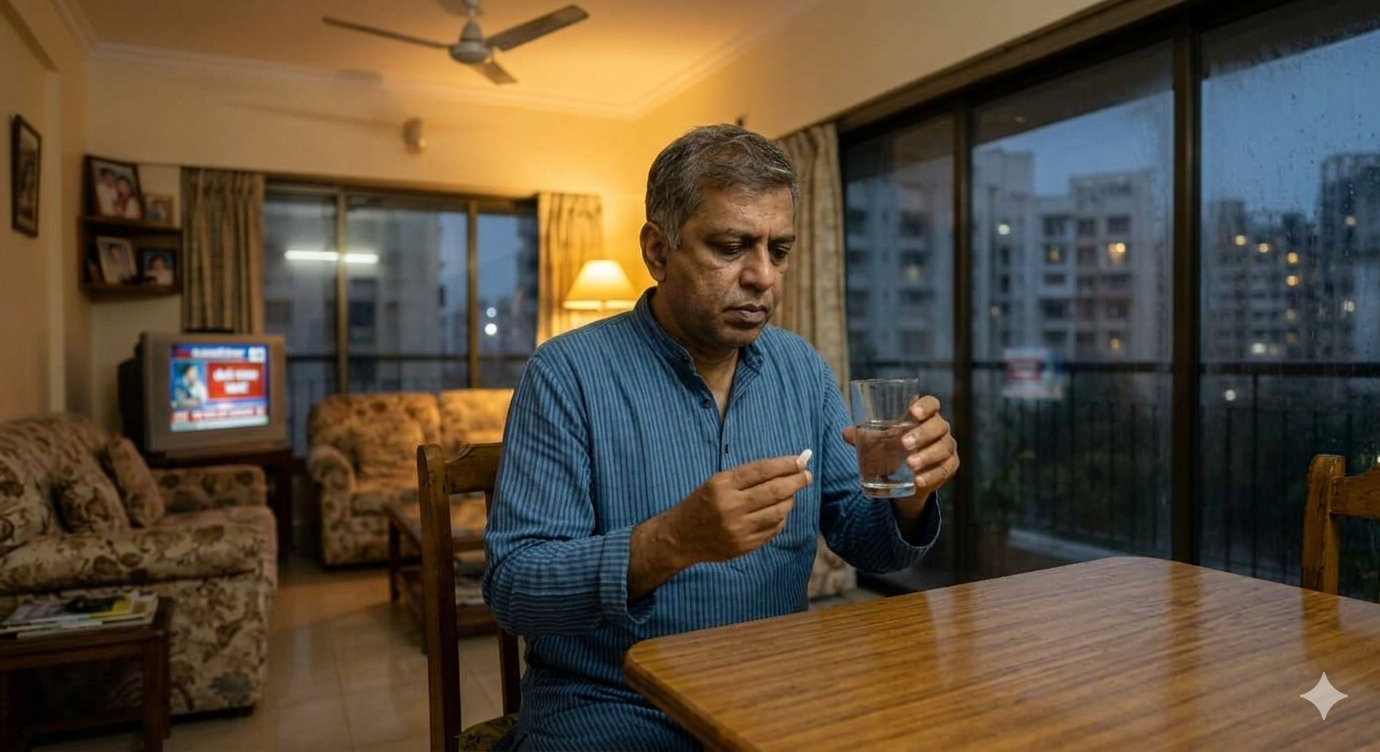
Painkillers are easily available over the counter. From handbags to side tables, you will find them everywhere for easy access. This often leads to overuse. While painkillers, especially non-steroidal anti-inflammatory drugs (NSAIDs), can provide relief from pain and inflammation, their overuse can severely impact kidney health.
"As a urologist with over 40 years of experience in treating kidney ailments in Indian cities like Delhi and Lucknow, I've witnessed many patients blindsided by a silent epidemic- overuse of painkillers ravaging kidneys," says Dr. Anant Kumar, Chairman, Urology, Renal Transplant and Robotics, Uro-Oncology, Max Super Speciality Hospital, Saket.
"NSAIDs or pain killers constrict kidney blood vessels, slashing filtration and causing acute kidney injury (AKI). Nephrotoxicity from NSAIDs affects 1-5% of users, but widespread use means massive impact. Studies link long-term intake to heightened chronic kidney disease risk, especially in diabetics or hypertensives. In Indian hospitals, nephrotoxins like NSAIDs may contribute to almost 40% of AKI cases. This kidney scarring from chronic abuse has even hit young adults-like a recent 24-year-old patient of mine on high-dose diclofenac for three years, ending in end-stage renal disease," Dr. Kumar adds.
The impact of painkiller overuse on the kidneys:
1. Reduced blood flow: NSAIDs constrict blood vessels in the kidneys, which can reduce blood flow and compromise their filtering ability.
2. Acute kidney injury (AKI): Chronic overuse can lead to acute kidney injury, a sudden decrease in kidney function that can cause serious health issues.
3. Chronic kidney disease (CKD): Long-term use of painkillers has been linked to an increased risk of developing chronic kidney disease, especially in individuals with pre-existing conditions like diabetes or hypertension.
4. Kidney scarring: Prolonged use may cause irreversible damage, leading to kidney scarring, which can result in end-stage renal disease, even in younger patients.
Tips for safe use of painkillers
"Limit NSAIDs to short-term, low-dose use; choose paracetamol for mild pain. Hydrate well, consult doctors for alternative therapies. Routine kidney screening with a urologist/nephrologist could help curb this," Dr. Kumar advises.
To protect your kidneys while managing pain, consider the following tips:
1. Limit use
Only use painkillers when necessary and for the shortest duration possible. Avoid self-medicating without professional advice.
2. Choose wisely
Opt for safer alternatives like paracetamol (acetaminophen) for mild to moderate pain, as it is less harmful to the kidneys than NSAIDs.
3. Stay hydrated
Adequate hydration can help your kidneys process medications more effectively and reduce the risk of damage.
4. Follow dosage guidelines
Always adhere to prescribed dosages and guidelines. Do not exceed the recommended amount, even for over-the-counter medications.
5. Consult your doctor
Before starting or continuing painkiller use, discuss with a doctor, especially if you have existing health issues.
6. Regular kidney check-ups
Routine screenings can help detect any kidney issues early on, allowing for timely intervention.
"India grapples with a huge kidney disease burden. Protect your kidneys-they're your lifelong allies. No self-medication. Consult your doctor for any medication," the expert concluded.
Disclaimer: This content including advice provides generic information only. It is in no way a substitute for a qualified medical opinion. Always consult a specialist or your own doctor for more information. NDTV does not claim responsibility for this information.