

)
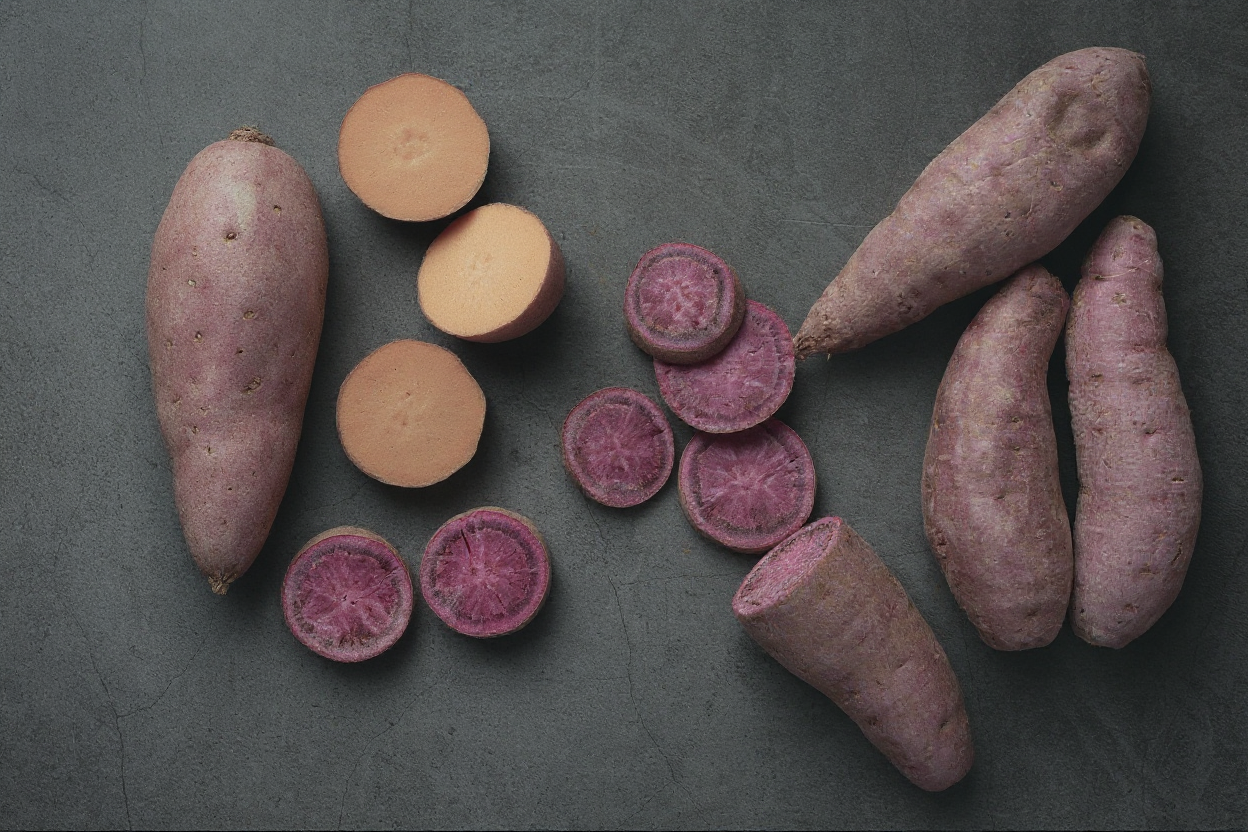
The nutritious sweet potato has evolved from a seasonal treat to a functional superfood. It is available in various forms, about 400 varieties, but people are mostly familiar with the orange sweet potato and perhaps the new vibrant purple sweet potato variant. However, as health-conscious consumers browse local markets and premium grocery aisles, a vibrant debate has emerged: which variety can offer the most health benefits for longevity and wellness? Modern nutritional studies are documenting the distinct advantages of the traditional orange sweet potato against the increasingly popular purple sweet potato. While both are nutrient-dense root vegetables, their unique pigments signal a significant difference in the specific antioxidants they provide to the human body.
Orange Vs Purple Sweet Potato: Which One Is Healthier?
The Bioactive Battle: Beta-Carotene Vs. Anthocyanins
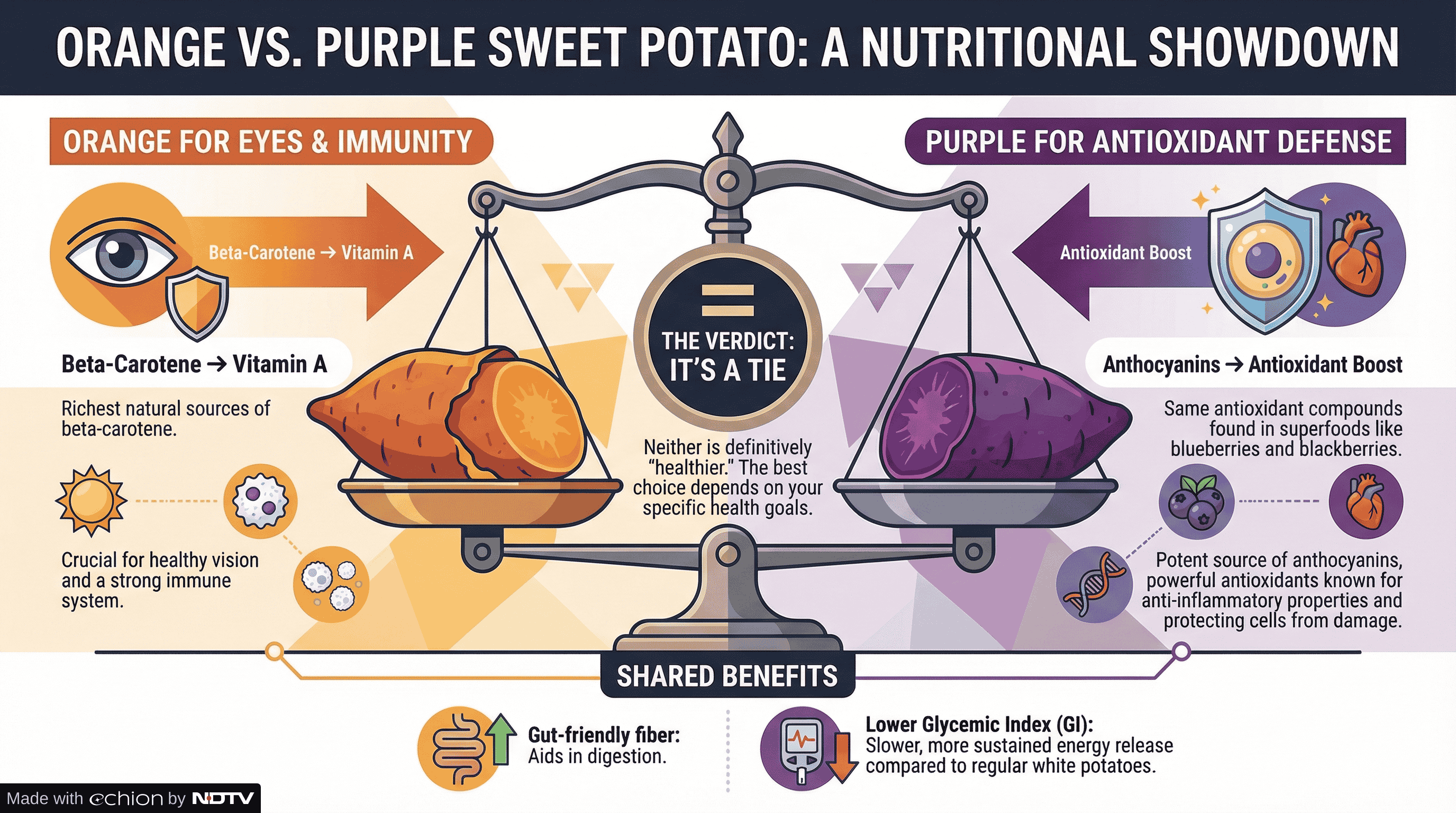
The most striking difference between the two variants lies in their plant-based compounds, known as the phytochemical profile. The deep orange hue of the classic sweet potato is a direct result of its high beta-carotene content. According to a study in the American Journal of Nutrition, orange-fleshed sweet potatoes are an exceptionally effective source of provitamin A, which the body converts into vitamin A to maintain vision and a robust immune system.
On the other hand, the striking violet flesh of the purple variety is powered by anthocyanins. According to a review in Frontiers in Nutrition (2025), anthocyanins from purple sweet potatoes are potent antioxidants linked to extending life and preventing age-related conditions like brain-related diseases due to age and heart diseases.
Orange Sweet Potato: The Vision And Immunity Specialist
For those looking to boost their immune defences, the orange sweet potato remains a worthy contender. According to Food Bioscience, a single medium-sized orange sweet potato is exceptionally rich in beta-carotene, which the body converts into vitamin A. According to a study in the Global Academic Journal of Agriculture and Bio Sciences (2024), regular consumption of orange-fleshed sweet potatoes is a critical dietary strategy for protecting against blindness and strengthening white blood cell production to fight off seasonal infections.
Here are the possible reasons why the orange sweet potato is sought after for its ability to:
- Boost Ocular Health: High vitamin A prevents dry eyes and night blindness.
- Improve Gut Barrier Function: It is essential for maintaining the mucosal lining of the gut, acting as the body's first line of defence.
- Increase Skin Radiance: Beta-carotene promotes collagen production and offers natural UV protection.
Purple Sweet Potato: The Heart And Brain Guard
While the orange variety focuses on vision, the purple sweet potato is being studied for its "neuroprotective" qualities. According to a study in the Iranian Journal of Veterinary Medicine (2024), anthocyanins extracted from purple sweet potatoes can modify brain neurotransmitters and relieve inflammation, potentially protecting against the negative impacts of chronic stress on mental health.
Key benefits of the purple variety include:
- Heart Health Support: According to research in Food Chemistry (2024), purple varieties have twice the antioxidant capacity of orange ones, significantly reducing oxidative stress in blood vessels.
- Cognitive Support: Anthocyanins help protect brain cells from apoptosis (cell death) and improve memory capacity.
- Liver Health: Preliminary data suggest hepatoprotective (liver-protecting) activities that reduce damage from chronic inflammation.
Read More: 6 Healthy Ways To Consume Sweet Potatoes This Winter
The Glycaemic Index Factor: Managing Blood Sugar
For individuals managing diabetes, the way these potatoes affect blood sugar is a primary concern. According to a study in Nutrients (2024), purple sweet potatoes are specifically desirable for diabetic diets because they contain high levels of dietary fibre and lower reducing sugars than orange varieties.
While both are complex carbohydrates, the purple variety generally has a slightly lower glycaemic index (GI). According to research from the American Journal of Clinical Nutrition (2023), boiling sweet potatoes keeps their GI as low as 44, whereas baking them raises it to 60, and frying pushes it to a high 76.
Fibre And Digestion: A Common Ground
Regardless of the colour, both varieties are exceptional sources of dietary fibre. According to a study in the International Journal of Food Science (2024), both varieties promote satiety and act as prebiotics that feed the beneficial bacteria in the gut.
- Promoting Satiety: High fibre helps individuals feel full longer, aiding in weight management.
- Feeding the Microbiome: Their starch fuels healthy gut flora, thus increasing gut function.
- Regularity: Insoluble fibre supports overall digestive health and promotes regular bowel movements.
Read More: Health Resolutions 2026: Adopt A Heart-Healthy Lifestyle This Year With These 5 Doctor's Tips
The Verdict: Which Should You Choose?
The better variant of sweet potato is not a single one, as both have their specific benefits. Specifically choosing between the two is less about finding a winner and more about identifying specific health goals that you want to fulfil.
- Choose Orange Sweet Potato: If your priority is boosting vitamin A, improving vision, or supporting skin health, then orange sweet potato is best.
- Choose Purple Sweet Potato: If you are focused on heart health, reducing brain inflammation, or managing blood sugar levels, then purple sweet potato is the one.
The most effective strategy for optimal health is to eat the rainbow and rotate both varieties into the diet. It is important to note that their taste differs, and they are widely available, processed and packaged into chips, but eating them whole is advisable if you want the maximum health benefits of each variety.
Disclaimer: This content, including advice, provides generic information only. It is in no way a substitute for a qualified medical opinion. Always consult a specialist or your own doctor for more information. NDTV does not claim responsibility for this information.