

)
Fitness lovers often tend to put certain ingredients on the blacklist, deeming them bad for our well-being. For example, carbs are blamed for weight gain, oil is dubbed unhealthy, spices are believed to upset the stomach and salt is considered the worst enemy of the heart. As a result, many people skip rotis and eliminate tadkas, consuming only bland salads, proud of following a disciplined diet. But guess what? Cutting out these ingredients can sometimes backfire, as explained by nutritionist Lovneet Batra.
In her latest Instagram entry, Lovneet Batra shares “the hidden side effects of avoiding” certain ingredients. In her caption, the expert writes, “We often celebrate cutting foods in the name of ‘clean eating', but biology doesn't work on elimination alone. Your body needs balance, not extremes. When entire food groups are removed without medical indication, the effects show up quietly, in hormones, energy, digestion, skin and metabolism.”
Here's What Actually Happens When You Eliminate Certain Ingredients
Carbs
Cutting carbs completely can lower active thyroid hormone (T3), slowing metabolic rate and recovery. Calories may stay the same, but your metabolic output drops.
Spices
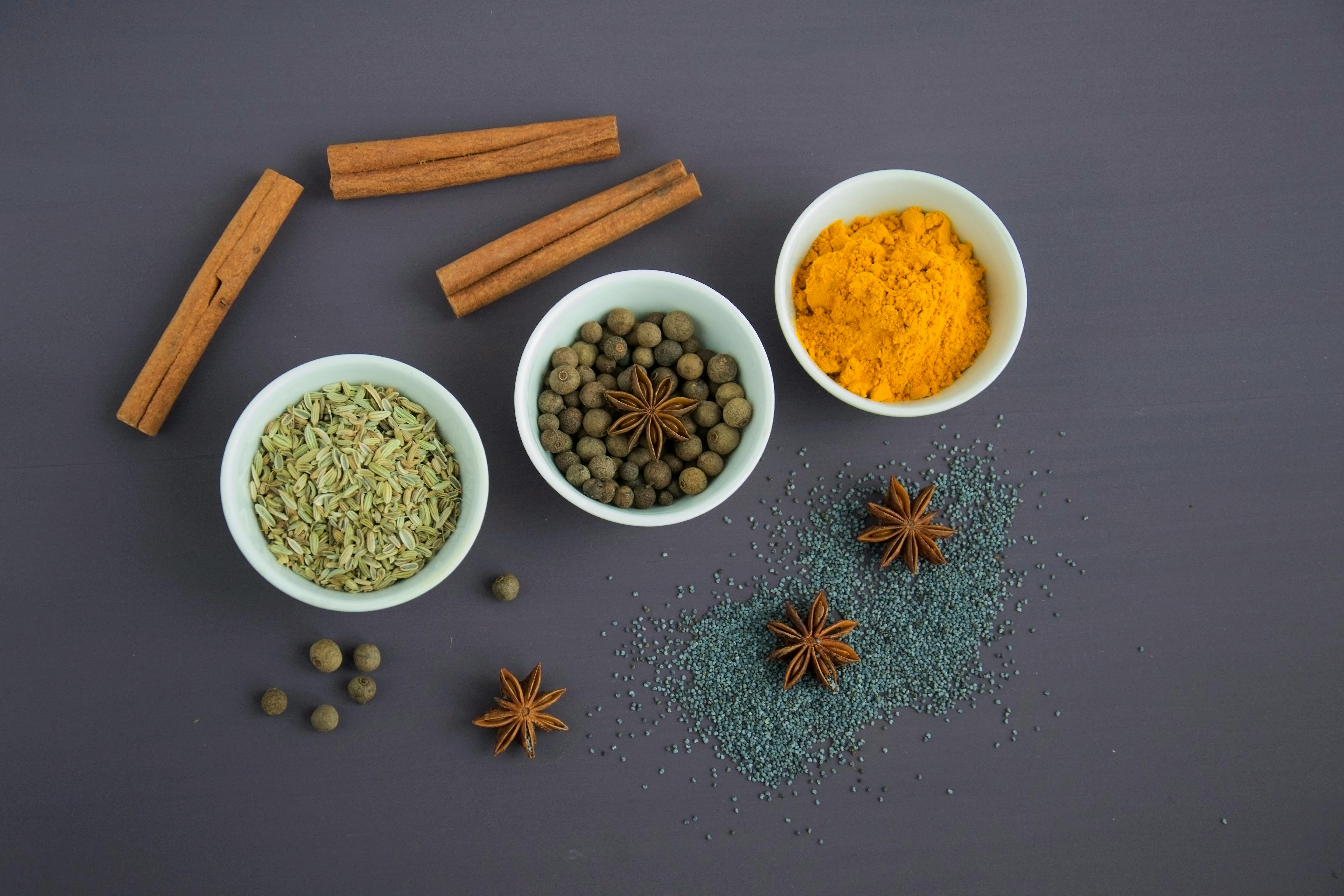
Removing spices strips the diet of powerful polyphenols and antioxidants, especially relevant in Indian diets, where spices contribute significantly to the daily anti-inflammatory load.
Salt
Avoiding salt entirely disrupts sodium balance, triggers stress hormones (renin–aldosterone system) and often results in fatigue, dizziness and cramps.
Oil
Eliminating oils impairs the absorption of vitamins A, D, E and K — nutrients essential for hormones, immunity, bones and skin. Vegetables do not deliver their full benefit without fat.
Common Symptoms Due To Elimination
- Low energy
- Poor workouts
- Cold intolerance
- Digestive weakness
- Dull skin
- Hormonal imbalance
In conclusion, Lovneet Batra reveals that “unless there's a clear medical reason, cutting entire food groups often may create more problems than it solves.” She recommends eating smart, eating sufficient, and eating “in alignment with how the body actually works.”
So, the next time you think twice about buying oil, remember that you might be unconsciously putting your body at risk.
Disclaimer: This content including advice provides generic information only. It is in no way a substitute for a qualified medical opinion. Always consult a specialist or your own doctor for more information. NDTV does not claim responsibility for this information.