

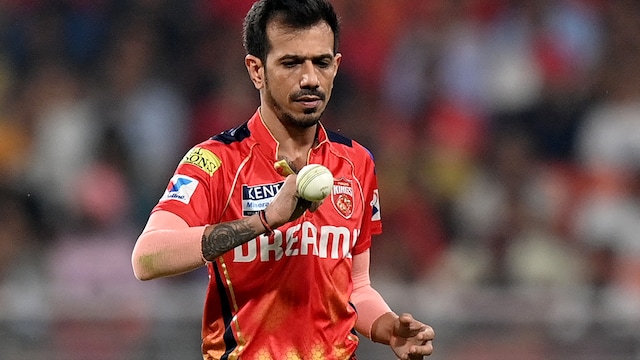
Indian cricketer Yuzvendra Chahal has opened up about his struggles with alcohol addiction following the breakdown of his marriage, bringing renewed attention to the emotional challenges that can accompany major life changes. The leg-spinner recently spoke about his experiences, recovery and mental health during a podcast with former India opener Aakash Chopra. Chahal, who has established himself as one of the most successful bowlers in Indian Premier League (IPL) history, has often been in the spotlight for his performances on the field. However, his candid account highlights a more personal struggle that can affect people irrespective of their professional success. Divorce, separation, loneliness and emotional distress can sometimes lead people to turn to alcohol as a way of coping. While drinking may offer temporary relief, relying on it to manage difficult emotions can gradually become a harmful pattern. But how can you tell when drinking is becoming a problem? Is alcohol addiction simply about how much a person drinks, or are there other warning signs? And when should someone seek professional help?
According to Dr Atampreet Singh, Director of Neurology at ShardaCare - Healthcity, alcohol use becomes concerning when it begins affecting a person's emotional well-being, relationships, physical health or ability to manage everyday responsibilities.
Can Divorce And Emotional Stress Lead To Alcohol Addiction?
Major life changes, including divorce, separation, bereavement and loneliness, can cause significant emotional distress. People may experience sadness, anxiety, anger, uncertainty or difficulty adjusting to a new phase of life.
According to Dr Singh, such experiences can sometimes lead people to use alcohol as a coping mechanism. Drinking may initially appear to provide temporary relief from distressing emotions. However, alcohol does not address the underlying problem. Over time, a person may begin relying on it to manage stress, fall asleep or avoid difficult thoughts and feelings.
This pattern can become particularly concerning when drinking shifts from an occasional social activity to a regular response to emotional discomfort. It is important to remember that experiencing a divorce or another stressful life event does not automatically lead to alcohol addiction. People respond to emotional challenges differently, and several factors, including mental health, social support, personal circumstances and patterns of alcohol consumption, can influence the risk of developing a problem.
When Does Drinking Become A Problem?
Alcohol-related problems cannot be identified solely by counting the number of drinks a person consumes or the number of days they drink. The degree of control a person has over their drinking, the reasons behind it and its consequences are also important.
Here are some warning signs that drinking may be becoming problematic.
1. You Drink To Escape Difficult Emotions
One of the earliest warning signs is using alcohol to deal with sadness, anxiety, anger, loneliness or stress. For instance, someone going through a difficult separation may begin drinking whenever they feel upset or emotionally overwhelmed. If alcohol becomes their primary way of managing these feelings, it may prevent them from developing healthier coping strategies.
Using alcohol repeatedly to escape emotional discomfort can also create a cycle in which distress triggers drinking, and drinking subsequently contributes to further emotional or physical difficulties.
2. You Drink More Than You Intended
Another important warning sign is losing control over the amount of alcohol consumed. You may plan to have one drink but continue drinking for much longer than intended. You may also repeatedly promise yourself that you will reduce your consumption but struggle to follow through. These patterns can indicate that alcohol is beginning to take up a greater role in your life and that controlling consumption has become difficult.
3. You Develop A Strong Urge To Drink
Frequent thoughts about alcohol, strong cravings or feeling that you need a drink to get through the day can be concerning. Some people may begin organising their routines around opportunities to drink or feel restless when alcohol is unavailable. When drinking becomes difficult to control despite a desire to cut down, a professional assessment can help identify whether alcohol use disorder is developing.
4. You Need More Alcohol To Feel The Same Effects
Tolerance develops when a person needs increasing amounts of alcohol to experience effects that previously occurred with smaller quantities. For example, someone who initially felt relaxed after a small amount may gradually find that they need considerably more to experience the same effect. Tolerance alone does not establish an addiction diagnosis, but it can be an important warning sign, particularly when accompanied by cravings, loss of control or continued drinking despite harmful consequences.
5. Drinking Starts Affecting Your Relationships And Work
Alcohol use becomes particularly concerning when it interferes with everyday responsibilities. This may include missing work, neglecting family commitments, experiencing repeated arguments with loved ones or withdrawing from social activities that do not involve drinking. Some people may continue consuming alcohol even after recognising that it is damaging their relationships, affecting their health or creating problems in their professional lives. The impact on everyday functioning is an important part of understanding whether alcohol consumption has become harmful.
6. You Experience Blackouts Or Risky Behaviour
Alcohol can impair judgement, coordination and decision-making. Heavy drinking may also cause memory blackouts, during which a person remains awake and active but cannot later recall parts of what happened. Driving after drinking, engaging in unsafe activities or repeatedly finding yourself in dangerous situations after consuming alcohol are serious warning signs. Such experiences should not be dismissed as harmless consequences of a night out, particularly if they occur repeatedly.
Can You Have An Alcohol Problem Even If You Do Not Drink Every Day?
Alcohol-related problems are not limited to people who drink daily. A person may drink infrequently but consume large amounts in a short period, increasing the risk of accidents, injuries, alcohol poisoning and other health complications. This pattern is commonly referred to as binge drinking. Similarly, someone who drinks only on weekends may still experience cravings, difficulty controlling consumption or significant problems in their personal and professional life. The frequency of drinking is therefore only one part of the picture. The quantity consumed, the circumstances in which someone drinks, their ability to stop and the consequences of drinking all matter.
There is also no need to wait until alcohol use causes a major crisis before seeking help. Recognising concerning patterns early can make it easier to address them.
What Are The Physical And Mental Health Warning Signs Of Alcohol Dependence?
Alcohol-related problems can affect both physical and mental health. The signs may develop gradually and can sometimes be mistaken for ordinary stress or fatigue. According to Dr Singh, the inability to relax, sleep or manage stress without alcohol deserves attention. Other warning signs include:
- Persistent anxiety, low mood or irritability.
- Difficulty sleeping without drinking.
- Memory problems or repeated blackouts.
- Increasing alcohol tolerance or strong cravings.
- Shaking, sweating, nausea or agitation when alcohol intake is reduced.
- Repeated unsuccessful attempts to stop or cut down.
Withdrawal symptoms can indicate physical dependence. In severe cases, alcohol withdrawal can cause seizures, hallucinations or delirium, which can be life-threatening. If you drink heavily or regularly and experience withdrawal symptoms, do not attempt to stop abruptly without medical advice. A healthcare professional can assess your risk and recommend a safe withdrawal plan. Seizures, severe confusion or hallucinations require emergency medical attention.
How Can You Break The Cycle Of Drinking To Cope With Stress?
Recognising that alcohol is being used to manage difficult emotions is an important first step. However, overcoming problematic drinking may require more than willpower alone. Dr Singh recommends seeking professional support early, as timely assessment and treatment can help prevent the problem from worsening. Here are some steps that may help.
1. Seek Professional Help
A psychiatrist, clinical psychologist or addiction specialist can assess drinking patterns, emotional distress and possible dependence. Depending on the person's needs, treatment may include counselling, behavioural therapies, medication and a structured recovery programme. People experiencing significant withdrawal symptoms may require medically supervised treatment.
2. Find Healthier Ways To Manage Emotions
Exercise, relaxation techniques, maintaining a regular sleep schedule and engaging in meaningful activities can support emotional well-being. However, these strategies should complement, rather than replace, professional treatment when alcohol dependence is present. For someone dealing with divorce or separation, counselling can also provide a space to process grief, adjust to changes and develop healthier ways of managing difficult emotions.
3. Build A Support System
Isolation can make it more difficult to cope with emotional distress. Speaking with trusted friends, family members or a mental health professional may help someone feel less alone. Support groups can also connect people with others who have experienced similar difficulties. The choice of support should be based on the individual's comfort, safety and treatment needs.
4. Recognise Triggers
Identifying the situations that lead to drinking can help people understand their patterns. Triggers may include loneliness, arguments, particular social settings, work pressure or difficulty sleeping.
With professional guidance, people can develop alternative responses to these situations and create a plan for managing cravings and avoiding high-risk circumstances.
Is Alcohol Addiction A Lack Of Willpower?
Alcohol use disorder is a recognised health condition that can involve changes in brain systems related to reward, motivation and self-control. It can develop through a combination of biological, psychological, social and environmental factors. Emotional distress may contribute to problematic drinking in some people, but addiction is not simply a result of making poor choices or lacking discipline. Stigma can prevent people from discussing their drinking or seeking help. Treating alcohol dependence as a health concern rather than a moral failing can make it easier for individuals to acknowledge the problem and access appropriate care.
Recovery is possible, although the path may differ from person to person. Some people benefit from counselling and structured support, while others require medication, treatment for co-existing mental health conditions or medically supervised withdrawal. Yuzvendra Chahal's account of his struggles with alcohol addiction highlights the importance of recognising emotional distress and seeking help when drinking becomes difficult to control.
Divorce and other major life changes can leave people feeling overwhelmed, but relying on alcohol to manage those emotions may create additional difficulties rather than resolve the underlying distress. Drinking becomes a concern when it leads to cravings, loss of control, increasing tolerance, withdrawal symptoms or problems with health, relationships and everyday responsibilities. These signs should not be ignored, even if a person does not drink every day. As Dr Atampreet Singh explains, early professional support can help people understand their drinking patterns and find appropriate treatment. Alcohol dependence is treatable, and seeking help is a step towards recovery, not a sign of weakness.
Disclaimer: This content including advice provides generic information only. It is in no way a substitute for a qualified medical opinion. Always consult a specialist or your own doctor for more information. NDTV does not claim responsibility for this information.