

)
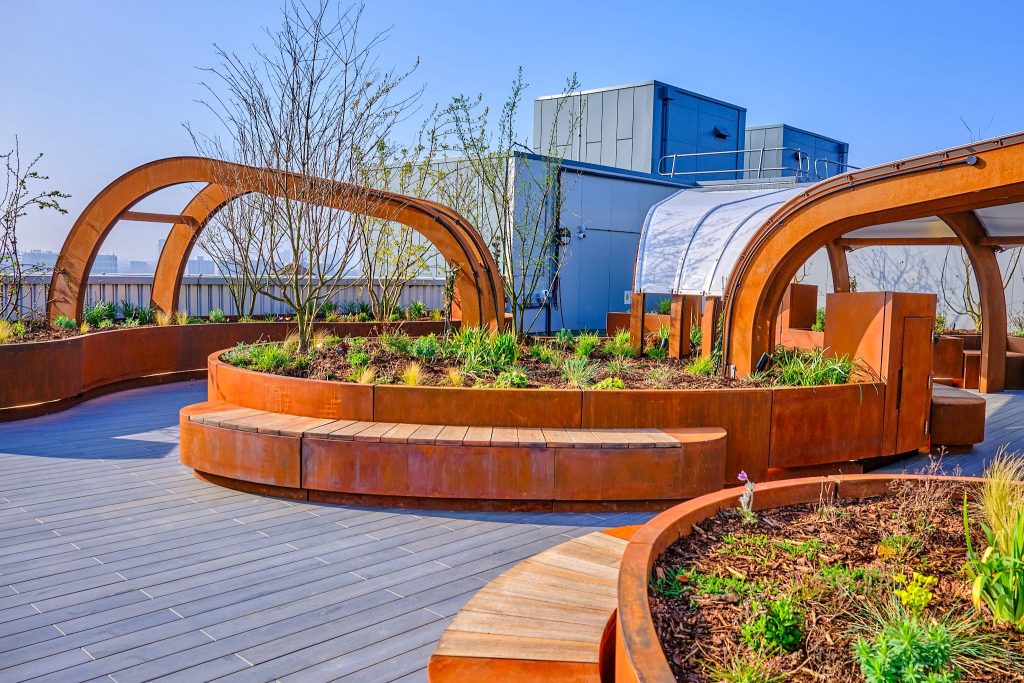
Can a garden become part of intensive care treatment? A hospital in the United Kingdom believes it can. In what is being hailed as a pioneering step in patient-centred healthcare, a UK hospital has opened a rooftop critical care garden linked to its intensive care unit (ICU), allowing critically ill patients access to fresh air, natural sunlight, greenery, and outdoor rehabilitation spaces during recovery. The facility at the King's College Hospital NHS Foundation Trust, designed to accommodate up to 60 critical care beds, reflects a growing global movement toward integrating nature into healthcare settings.
While hospitals have traditionally focused on advanced technology, medications, and clinical interventions, researchers and healthcare experts are increasingly recognising the role that environmental factors play in recovery. Evidence from studies conducted over the past several decades suggests that exposure to natural light, green spaces, and outdoor environments may help reduce stress, improve mood, regulate sleep patterns, and support cognitive recovery. For ICU patients, who often spend days or weeks in artificially lit environments, these benefits could be particularly significant.
As healthcare systems worldwide rethink hospital design, the UK's latest innovation raises an important question: Could healing gardens become the future of modern healthcare?
Why Nature Is Becoming A Part Of Modern Medicine
The concept of "healing environments" is not entirely new. However, it has gained renewed attention following research showing that a patient's surroundings can influence both physical and psychological recovery.
One of the earliest landmark studies on the subject was published in Science in 1984 by environmental psychologist Roger Ulrich. The study found that surgical patients whose hospital rooms overlooked trees recovered faster, required fewer pain medications, and had shorter hospital stays than those whose windows faced a brick wall.
Since then, a growing body of evidence has linked access to nature with lower stress levels, reduced anxiety, improved emotional well-being, and enhanced recovery outcomes.
The World Health Organization (WHO) has also highlighted the importance of healthy built environments in promoting overall health and well-being. Similarly, research published by the United States National Institutes of Health (NIH) suggests that exposure to natural settings can positively affect cardiovascular health, mental health, and cognitive functioning.
Why ICU Patients Could Benefit The Most
Intensive care units are among the most challenging healthcare environments for patients. Many critically ill individuals spend prolonged periods in enclosed spaces with limited access to daylight, fresh air, or natural surroundings. Constant monitoring equipment, alarms, artificial lighting, and disrupted sleep cycles can contribute to physical and psychological distress.
According to Dr Shilpa Singi, Lead Consultant - Academies and Strategies Internal Medicine, Aster Whitefield Hospital, Bengaluru, access to sunlight and greenery can play an important supportive role in recovery. "Putting greenery, natural light, and more open outdoor recovery areas into healthcare locations is getting a lot of attention globally, and many doctors in India recognise how much it matters. Studies have shown that exposure to sunlight and nature can lower stress, lift mood, and support psychological health, especially among patients recovering from serious illnesses," she says.
Dr Singi explains that sunlight also helps regulate circadian rhythms, the body's internal clock that governs sleep-wake cycles, hormone secretion, and several biological functions essential for recovery. "Sunlight has a central function in controlling the body's biological clock, or circadian rhythm, which influences sleep patterns, hormone output, and overall recuperation," she adds.
The Link Between Natural Light And Recovery
Research increasingly suggests that disrupted circadian rhythms can negatively affect recovery among critically ill patients. A review published in Critical Care reported that ICU patients frequently experience significant disturbances in sleep and circadian function, potentially contributing to poorer recovery outcomes, impaired immune function, and prolonged hospital stays.
Natural daylight exposure may help restore these biological rhythms. "In intensive care units, where lighting is mostly artificial and patients may remain confined for long periods, access to natural light could help reduce ICU delirium, ease agitation, and minimise sleep-related disturbances," says Dr Singi.
ICU delirium, a sudden change in mental status marked by confusion, disorientation, and cognitive impairment, affects a substantial proportion of critically ill patients. Studies published by the Society of Critical Care Medicine have identified sleep disruption and environmental stressors as important contributing factors. "When sleep-wake cycles are better aligned, patients may experience improved cognitive recovery and stronger emotional well-being," Dr Singi notes.
More Than Just A Garden
Experts emphasise that therapeutic gardens are not intended to replace medical treatment. Instead, they function as supportive recovery spaces that complement conventional care.
The UK rooftop garden includes accessible pathways, seating areas, rehabilitation spaces, and greenery specifically designed to accommodate critically ill patients, family members, and healthcare staff. Such environments can also provide emotional benefits for families coping with the stress of having a loved one in intensive care.
Research published in the Journal of Environmental Psychology has found that access to restorative natural environments can reduce stress markers and improve emotional resilience among patients and caregivers alike.
Dr Singi believes these spaces offer benefits that extend beyond physical recovery. "Greenery and sunlight are not treatments by themselves, but they work alongside medical care, creating a calmer and more restorative atmosphere that supports healing, not only of the body but of the mind as well," she explains.
Could Hospitals In India Adopt Similar Models?
India has witnessed growing interest in patient-centric hospital architecture, particularly after the Covid-19 pandemic highlighted the importance of mental well-being during hospitalisation. Several tertiary-care hospitals have already begun incorporating rooftop gardens, healing spaces, meditation areas, and natural-light designs into new infrastructure projects.
However, widespread implementation may require additional investment, urban planning considerations, and evidence-based design strategies tailored to local healthcare needs. Still, experts believe that integrating nature into healthcare settings represents a promising direction for the future.
The UK's new rooftop critical care garden reflects a broader shift in healthcare thinking, one that recognises healing as more than a purely medical process. While medications, surgeries, and advanced technologies remain essential, growing evidence suggests that sunlight, greenery, and thoughtfully designed recovery environments may also influence patient outcomes. As hospitals worldwide explore ways to improve both physical and psychological recovery, nature-based healthcare spaces could become an increasingly important part of modern medicine. For critically ill patients, a few moments under open skies may one day be considered as valuable to recovery as any other supportive therapy.
Disclaimer: This content including advice provides generic information only. It is in no way a substitute for a qualified medical opinion. Always consult a specialist or your own doctor for more information. NDTV does not claim responsibility for this information.