

)
For centuries, doctors have been expected to be dedicated people who can be called in for an emergency at any time of the day and who will put off their own plans for when patients need them. Although this has always been a part of being a doctor, today's healthcare system has made "being available" very different
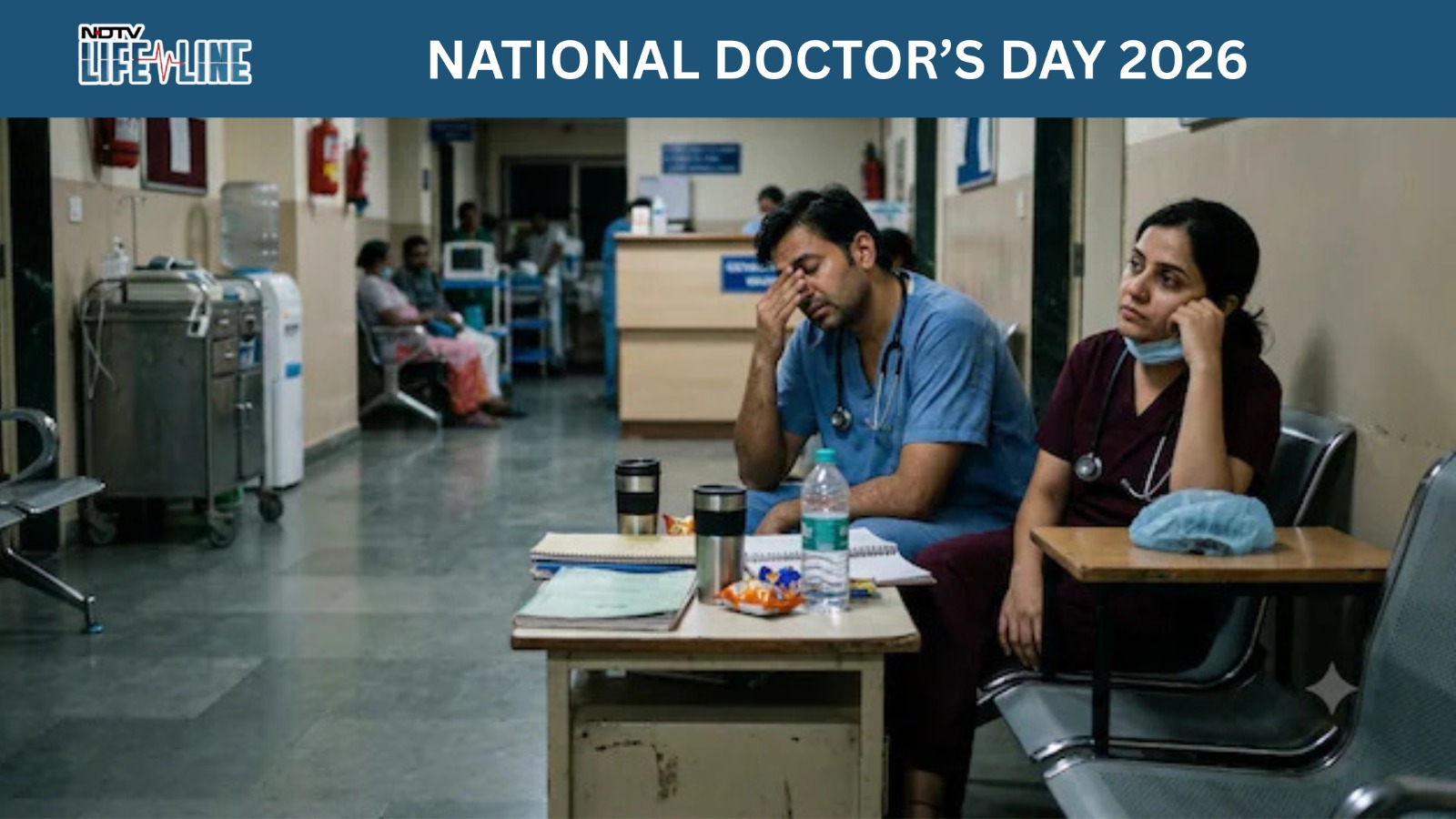
Telemedicine, smartphone technology, electronic health records and instant messaging have revolutionized healthcare services, made communication faster and enhanced continuity of care. At the same time, they have erased the line between work and private life. Nowadays, many doctors are no longer "on call"; instead, they stay connected, answering patients' questions, analysing test results, coordinating efforts with other healthcare professionals and managing administrative work well past hospital rounds.
Though such high level of accessibility seems advantageous, it has its drawbacks as well.
Medicine Demands More Than Time
Few occupations offer a setting where each decision made might have the power to change a person's life. Deciding about what is making someone ill, analysing tests, deliberating upon various treatments and informing patients about their possible side effects requires full attention and clinical judgement.
What makes such a task difficult is not only physical exhaustion but cognitive overload. It is simply impossible for human brain to make complicated decisions without some time of restoration. Science has proved that extended mental work can decrease attention span, affect working memory and lead to decision fatigue, resulting in failure to notice clinical subtleties.
It is not a question of being incompetent but simply human nature.
Also Read: National Doctor's Day 2026: A Day In The Life Of An Emergency Medicine Doctor
The Hidden Burden of Constant Connectivity
Contemporary medicine cannot do without digital communications. The busy day of a doctor can consist of going through lab alerts, answering patient e-mails, approving treatment protocols, noting down consultations, and discussing multidisciplinary issues via different digital media.
Even though each of these activities will not take much time, it results in interruptions. Every time a person changes the focus from clinical thinking to administration, it takes more effort for the brain to get back to work.
As a result, physicians often find themselves working with their minds even after they leave the place of work. Such constant state of mind readiness leaves no chance for rest.
Why It Matters for Patients
Availability is usually equated with good medical treatment. But the quality of care does not depend only on availability, but also on intelligent and informed decision-making.
A physician who has enough time and mental capacity to assess the situation can come up with better clinical decisions than another doctor who has to answer several interruptions at once.
It is also known that cognitive fatigue influences the ability to communicate. Active listening and empathy towards the patient is impossible if the mind is not fully present. Although the doctors are devoted to their work, they may lose these important parts of it because of their busy schedule.
Building Sustainable Healthcare
This problem cannot be solved just by personal resilience. The healthcare system needs to realize that doctor well-being and patient safety are related to each other.
Improvements that could be made include:
- Minimising unnecessary workload with effective digitization
- Ensuring undisturbed consultation and decision-making time
- Implementing teamwork where everyone's duties are divided properly
- Encouraging healthy limits on out-of-hours communication which is not urgent
Also, patients themselves are responsible for this problem. In case of emergencies, everything should be done at once but some problems can wait until consultation. This will help doctors to give priority to the most important cases while not neglecting the others.
Medicine has always been a profession defined by dedication, compassion and responsibility. These values remain unchanged. What must change is the expectation that doctors should be constantly available without acknowledging the cognitive demands of modern medical practice.
The measure of an excellent physician is not the number of hours spent connected to a phone or computer, but the ability to make careful, evidence-based decisions with clarity, focus and empathy. Protecting doctors from the hidden costs of perpetual availability is therefore not simply about improving work-life balance. It is about safeguarding clinical judgement, strengthening patient safety and ensuring that healthcare remains both effective and humane in an increasingly connected world.
(By Dr Sujay Prasad, Chief Medical Director, Neuberg Diagnostics)
Disclaimer: The opinions expressed within this article are the personal opinions of the author. NDTV is not responsible for the accuracy, completeness, suitability, or validity of any information on this article. All information is provided on an as-is basis. The information, facts or opinions appearing in the article do not reflect the views of NDTV and NDTV does not assume any responsibility or liability for the same.