

)
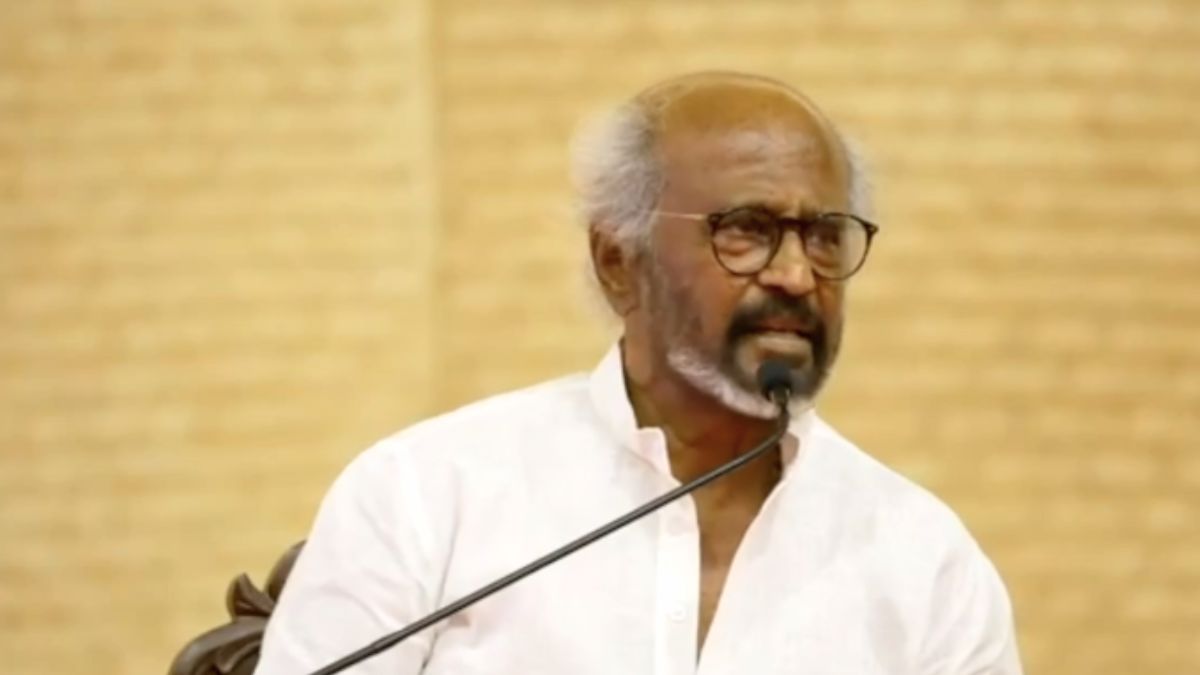
Superstar Rajinikanth has completed 51 years in Indian cinema, marking the milestone on August 15 with the team of his upcoming film Dharman. A cake-cutting celebration was organised on the film's sets in the presence of director Ashwath Marimuthu and the cast and crew. At 75, however, the actor's remarkable career is not the only thing drawing attention. Rajinikanth continues to remain physically active and has been seen maintaining a regular fitness routine despite his age. His commitment to exercise is particularly noteworthy given his previous history of carotid artery disease and revascularisation. His fitness journey raises an important question for older adults: Can you continue exercising safely in your 70s, even after undergoing a major cardiovascular procedure? Doctors say age alone should not be a reason to give up physical activity, but exercise needs to be adapted to a person's medical history, fitness level and physical limitations.
Rajinikanth's Health History Makes His Fitness Journey Significant
Rajinikanth previously underwent carotid artery revascularisation after experiencing giddiness in 2021. The carotid arteries are major blood vessels that carry oxygen-rich blood to the brain. Narrowing of these arteries can increase the risk of stroke because reduced blood flow or plaque-related complications can affect circulation to the brain. According to Dr Sai Sudhakar, Chief Interventional Cardiologist and Chief Cardiac Transplant Physician at Gleneagles Hospital, Fortis Network, Lakdikapool, Hyderabad, having a cardiovascular condition or undergoing a vascular procedure does not automatically mean a person has to stop being physically active.
"Rajinikanth turning 75 is more than a milestone in cinema it is also a reminder that ageing does not have to mean becoming inactive," Dr Sudhakar said. He added that his visible commitment to exercise and strength training offers an important lesson for people in their 70s: physical fitness should be considered a long-term investment in independence and quality of life. However, he stressed that exercise after a cardiovascular procedure should be individualised and undertaken after appropriate medical evaluation.
Why Strength Training Matters After 70
Many people associate ageing with walking or light stretching, but experts say strength training also has an important role to play in healthy ageing. As people grow older, muscle mass and strength naturally decline. This process can eventually affect balance, mobility and the ability to perform everyday activities independently. Weak muscles can also increase the risk of falls and frailty. Rajinikanth has been seen performing exercises such as squats and incline dumbbell presses under supervision. While his workout may look impressive, older adults should not attempt to replicate a celebrity's routine without considering their own physical condition. "The goal for people in their 70s is not to replicate a celebrity's workout. It is to remain functionally fit," Dr Sudhakar explained.
A well-rounded exercise routine for older adults can include walking or another form of moderate aerobic activity, resistance training, flexibility exercises and balance training. The emphasis should be on controlled movements and gradual progression rather than lifting the heaviest possible weight or exercising at maximum intensity.
What Exercise Should People In Their 70s Do?
There is no universal workout routine that works for every person over 70. Someone who has been exercising regularly for decades may have very different capabilities from someone who is just starting.
Dr Manjusha Agarwal, Consultant-Internal Medicine, Gleneagles Hospital Mumbai, said physical activity remains important even at an advanced age, but the objective changes. "From the medical standpoint, the purpose of doing exercise even at 70+ is mainly to maintain the muscular strength, flexibility, balance and cardiovascular function, not necessarily to become a high-level endurance athlete," she said. For most older adults, a combination of different types of activity can be useful.
1. Walking And Aerobic Exercise
Walking is one of the simplest ways to maintain cardiovascular fitness. Depending on an individual's health and fitness level, other low-impact activities may also be considered. The intensity should be increased gradually rather than suddenly adding long or strenuous workouts.
2. Resistance Training
Strength exercises can help preserve muscle mass and improve functional strength. Exercises may include appropriately modified squats, resistance-band movements, light weights or bodyweight exercises. However, people with heart disease, vascular conditions, joint problems or other medical issues should first discuss the appropriate intensity with their doctor.
3. Balance Exercises
Balance can deteriorate with age, increasing the risk of falls. Simple balance-focused movements, when performed safely, can help older adults maintain stability.
4. Flexibility And Mobility
Stretching and mobility exercises can help maintain the range of motion needed for everyday activities. They should be gentle and should not cause significant pain.
Don't Ignore Your Cardiovascular Health
Exercise is only one part of healthy ageing. People in their 70s, particularly those with a history of cardiovascular or vascular disease, should also keep track of important health parameters. Dr Sudhakar recommends paying attention to conditions such as high blood pressure, diabetes and high cholesterol, all of which can influence cardiovascular health. Avoiding tobacco, maintaining a healthy weight, following a balanced diet, getting adequate sleep and managing stress are also important. For someone with a history of carotid artery disease, regular medical follow-up can be particularly important. Exercise plans may need to be adjusted depending on blood pressure, cardiovascular fitness, medications and other health conditions.
Nutrition Becomes More Important With Age
Exercise alone cannot preserve strength and function. Nutrition plays an equally important role, particularly because older adults can be vulnerable to muscle loss. Dr Agarwal said older adults should ensure adequate protein as well as essential nutrients such as calcium and vitamin D, depending on their individual health requirements. Protein-rich foods can include eggs, dairy products, pulses, legumes, fish, lean meats and soy-based foods. However, protein requirements may need to be modified in people with certain kidney or other medical conditions.
Adequate hydration is also important, while meals should provide a variety of fruits, vegetables, whole grains and healthy fats. "Rest and proper nutrition are indispensable for recovery," Dr Agarwal said.
Can You Exercise After Carotid Surgery?
A history of carotid surgery or revascularisation does not necessarily mean that a person has to remain sedentary. However, the timing and intensity of exercise should be decided based on the individual's recovery and overall cardiovascular health. Before starting or significantly increasing physical activity, older adults with a history of vascular disease should speak with their doctor. Depending on their condition, they may need cardiovascular evaluation or a supervised rehabilitation programme. It is particularly important not to suddenly begin heavy lifting or high-intensity workouts after a prolonged period of inactivity. Exercise should progress in stages, allowing the body to adapt.
Avoid Overenthusiastic Workouts
One of the biggest mistakes older adults can make is assuming that more exercise automatically means better health. Dr Agarwal cautioned against overly enthusiastic workouts, particularly when they are not suited to an individual's age, fitness level or medical condition. A workout that is appropriate for a healthy 30-year-old may not necessarily be appropriate for a 75-year-old with cardiovascular disease, arthritis or previous surgery. Pain, dizziness, unusual breathlessness, chest discomfort or extreme fatigue during exercise should not be ignored. Such symptoms warrant stopping the activity and seeking medical advice, particularly in people with known heart or vascular disease.
The Goal Is Independence, Not A Perfect Physique
For older adults, fitness does not have to mean building a muscular physique or achieving a particular number on the weighing scale. The more meaningful goals are being able to walk comfortably, climb stairs, get up from a chair, carry everyday objects, maintain balance and remain independent. "Regular physical activity in advanced age will enable people to stay independent," Dr Agarwal said. This is perhaps the biggest lesson from Rajinikanth's fitness journey. His routine should not be viewed as a template that every person in their 70s needs to follow. Instead, it demonstrates that ageing and physical activity can go hand in hand when exercise is approached sensibly. Turning 70 does not mean physical fitness has to stop. In fact, maintaining strength, balance, mobility and cardiovascular fitness can become even more important with age. Rajinikanth's continued commitment to exercise at 75 is a reminder that staying active can support independence and quality of life. But older adults especially those with a history of carotid disease, heart problems, diabetes, arthritis or other chronic conditions should focus on safe, individualised and progressive exercise rather than copying a celebrity workout. The right combination of strength training, aerobic activity, balance exercises, good nutrition, adequate sleep and regular medical monitoring can help many older adults remain active well into their 70s and beyond.
Disclaimer: This content including advice provides generic information only. It is in no way a substitute for a qualified medical opinion. Always consult a specialist or your own doctor for more information. NDTV does not claim responsibility for this information.