

)
Health authorities in the United States are closely monitoring a rise in Cyclospora infections, with investigations focusing on possible links to contaminated fresh produce, including lettuce. While officials are still tracing the exact source in some cases, the outbreak has highlighted how foodborne parasites can spread through everyday foods. According to a report in NBC News, Gwen Biggerstaff, deputy director of the CDC's Division of Foodborne, Waterborne, and Environmental Diseases, during a media call, said, "We're seeing an unusually high number of cyclosporiasis cases this season."
Initial reports flagged lettuce and salad greens as a potential source. However, reports now suggest that 'no single product, restaurant, grocer or distributor has been implicated as the source of the current illnesses. There have been no recalls.' Public health experts are urging people not to panic but to stay informed, as early diagnosis and treatment can help prevent complications.
Speaking to NDTV, Dr Aishwarya R, Consultant - Infectious Diseases, Aster Whitefield Hospitals, Bangalore, said that the outbreak is a reminder that foodborne parasitic infections remain a global concern despite strict food safety systems. She explains that Cyclospora infections are usually linked to contaminated fruits, leafy vegetables, herbs, or water rather than direct contact with an infected person.
Since fresh produce often travels long distances before reaching consumers, contamination at any stage of the supply chain can result in outbreaks that appear far from where the problem began.
What Is Cyclospora?
Cyclospora is a microscopic parasite called Cyclospora cayetanensis that infects the small intestine. The illness it causes is known as cyclosporiasis. Although it is not usually life-threatening in healthy people, it can cause severe illness in older adults, young children, and people with weakened immune systems.
The infection mainly affects the digestive system. One of its most noticeable features is that symptoms may come and go over several weeks if the person does not receive proper treatment. This makes it different from many common stomach infections that usually improve within a few days.
Dr Aishwarya said, "This disease is generally not fatal for healthy individuals, although it can be extremely dangerous for older people, children, and immunocompromised patients."
What Are The Symptoms?
People infected with Cyclospora may experience prolonged diarrhea, stomach cramps, bloating, nausea, fatigue, loss of appetite, and weight loss. Some people may also feel weak because of dehydration caused by frequent diarrhoea.
Dr Aishwarya notes that the illness is often mistaken for ordinary stomach infections. However, if diarrhea continues for several days, keeps returning, or develops after international travel, medical attention should be sought. Routine stool tests may not always detect the parasite, and special laboratory testing may be required to confirm the diagnosis.
Could Lettuce Be Responsible?
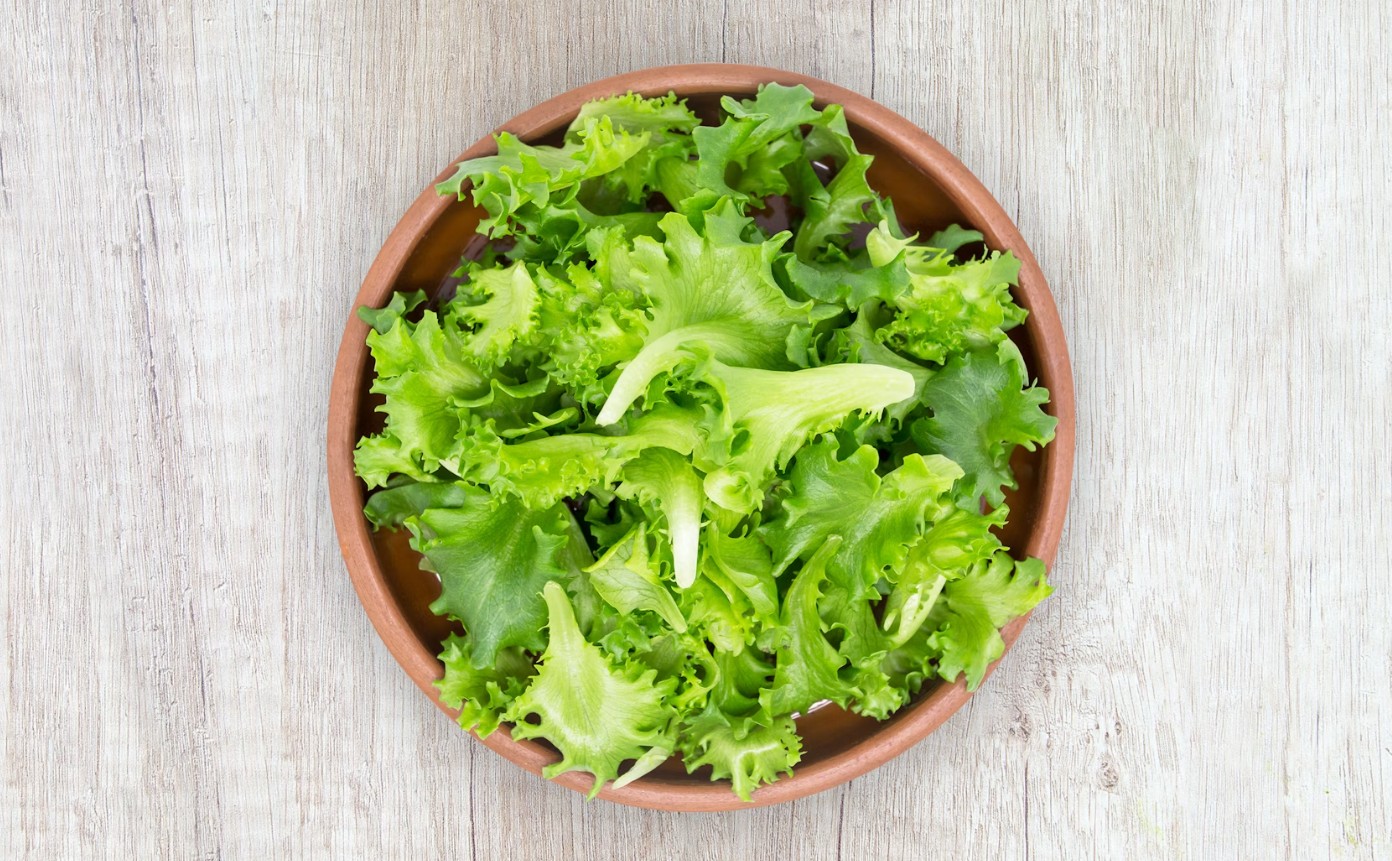
Lettuce has been identified as one of the foods under investigation in the current US outbreak. However, experts caution that investigations are still ongoing, and not every case can be traced to a single food item. Cyclospora has previously been linked to several types of fresh produce, including leafy greens, herbs, berries, and other fruits.
The parasite can contaminate produce if crops are exposed to water or soil contaminated with human waste. Since fresh vegetables like lettuce are often eaten raw, the parasite may survive if contamination occurs before the food reaches consumers. This is why food safety experts focus on the entire supply chain, from farming and irrigation to transportation and food preparation.
Does It Spread From Person To Person?
Unlike viral stomach infections, Cyclospora does not spread easily through casual contact. Dr Aishwarya explains that an infected person does not immediately pass the parasite to others because the organism must first spend several days to weeks in the environment before becoming infectious.
This means family members, colleagues, classmates, or fellow travellers are very unlikely to catch the infection directly from someone who is sick. Most infections happen after consuming contaminated food or water rather than through close personal contact. "Most events happen after people eat fresh fruit or leafy vegetables, herbs or sometimes even contaminated water that had been exposed to human faecal contamination at some point along the supply chain," said Dr Aishwarya.
What Should Travellers Know?
The recent outbreak should not discourage people from travelling. According to Dr Aishwarya, travellers returning from affected regions are not likely to spread the infection simply by travelling. However, anyone who develops persistent or recurring diarrhoea after an international trip should consult a doctor.
If Cyclospora is suspected, doctors may recommend specialised stool testing. "The good news is that the infection can be easily treated with trimethoprim-sulfamethoxazole," said Dr Aishawarya.
Although it is impossible to eliminate every risk, simple food safety measures can lower the chances of infection. Washing fresh fruits and vegetables, using clean water during food preparation, maintaining good kitchen hygiene, and supporting safe agricultural practices, all play an important role in preventing contamination.
Disclaimer: This content including advice provides generic information only. It is in no way a substitute for a qualified medical opinion. Always consult a specialist or your own doctor for more information. NDTV does not claim responsibility for this information.