

)
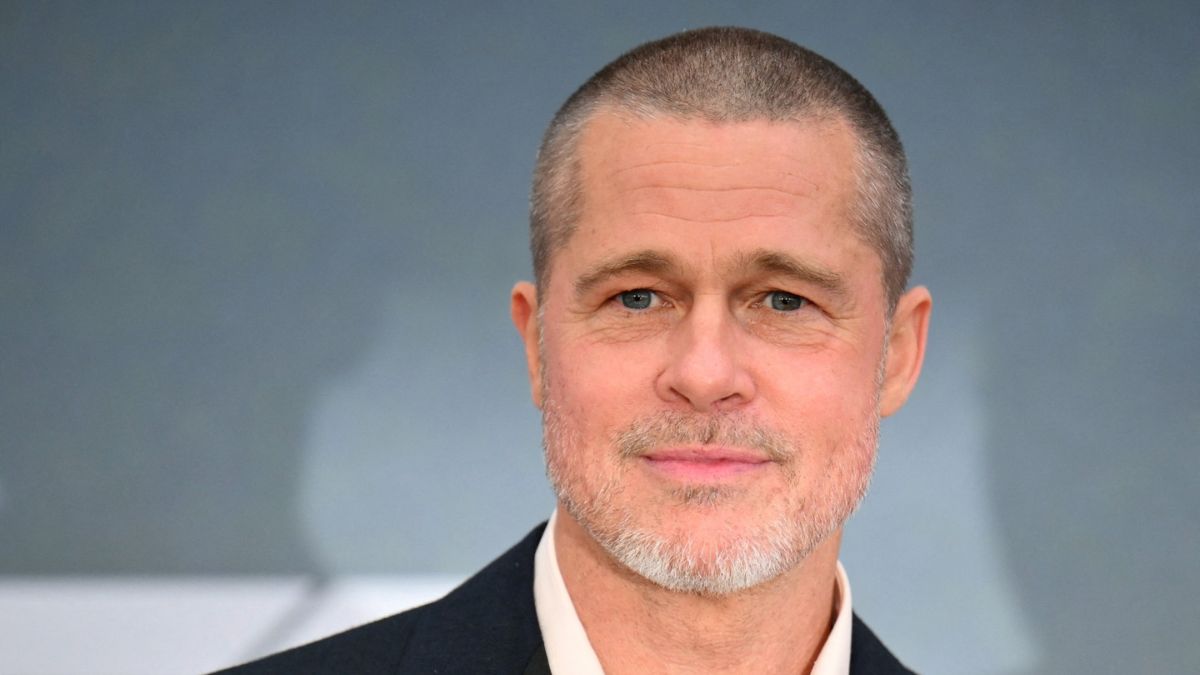
Actor Brad Pitt recently opened up about drinking again after seven years of sobriety. In an interview with Esquire, he revealed that "family stuff" once drove him to a brief period of suicidal thoughts. He spoke about his mental health issues, personal struggles and alcoholism following his split from Angelina Jolie.
"I was never suicidal in any way. It was just not my makeup," Pitt said.
"I've never been suicidal except for one little period. And in that one little period, I just didn't see a way out. The pain was so oppressive."
"The pain was so oppressive that I wasn't going to act on this, but I could feel, I could feel the cold steel of the bullet in my head, and it felt like relief. And I thought, 'Oh, OK, now I understand.' I understand suicide, in the sense that it's just relief. It's just looking for relief from the pain. But I also think we have incredible survival instincts. And for me, that immediately kicked in," he added.
Alcohol relapse after 7 years of sobriety
"I was sober for seven years. And then I got back off the wagon." The actor said he drinks alcohol "in a more restrained manner."
"I got overconfident a couple times, went, 'Yep, nope, not good for me.' Not in big quantities. Yeah. Well . . . I can have a few. But I can't have a lot. I have to be professional about it," he mentioned.
Understanding alcohol relapse and how to prevent it
An alcohol relapse is the return to drinking alcohol after a period of sobriety. Most individuals experience a relapse at least once before achieving long-term sobriety.
There are three stages of relapse
A relapse does not happen instantly. It is a gradual process with distinct emotional, mental, and physical phases:
- Emotional Relapse: You are not actively thinking about drinking, but poor sleep, isolation, and bad habits set you up for a fall.
- Mental Relapse: A psychological war begins where part of you wants to drink to escape, leading to glamorising past use.
- Physical Relapse: You take that first drink, which can quickly spiral back into uncontrolled, regular drinking.
Preventing alcohol relapse
An alcohol relapse is highly preventable. While the cravings are a medical symptom of changes in your brain, you can learn to recognise the early warning signs of emotional and mental relapse. By building strong psychological tools and a solid support network, you can stop the process before it becomes a physical relapse.
Preventing relapse is possible through several strategies:
1. Develop a support network
Building a strong support system of friends, family, or recovery groups can provide encouragement and accountability.
2. Identify triggers
Being aware of personal triggers that lead to cravings can help individuals avoid situations that may tempt them to drink.
3. Use the HALT method
Cravings thrive when your body is vulnerable. Constantly check in with yourself to ensure you are not letting yourself get too:
- Hungry
- Angry
- Lonely
- Tired
4. Practice coping skills
Learning effective coping strategies, such as stress management techniques or healthy outlets like exercise, can help individuals resist the urge to drink.
5. Stay engaged in recovery
Continuously participating in recovery programs or therapy can help reinforce commitment to sobriety. Consider both individual and group therapy.
6. Set personal goals
Establishing short and long-term goals related to sobriety can provide motivation and a sense of purpose.
7. Create a healthy lifestyle
Engaging in a balanced diet, regular exercise, and sufficient sleep can improve mental and physical well-being, making it easier to resist cravings.
Breaking the cycle of relapse
To break the cycle of relapse, individuals should:
- Reflect on past relapses to understand what led to them and learn lessons from those experiences.
- Develop a solid relapse prevention plan that includes strategies for managing triggers and cravings.
- Stay committed and seek help when feeling overwhelmed or tempted to drink again.
- Acknowledge that recovery is a lifelong process and that setbacks may occur; what matters is taking steps to get back on track.
If you are trying to quit alcohol or want to prevent a relapse, consult a doctor or addiction specialist about evidence-based clinical treatments. Highly structured Cognitive Behavioural Therapy (CBT) can rewrite your behavioural patterns.
Disclaimer: This content including advice provides generic information only. It is in no way a substitute for a qualified medical opinion. Always consult a specialist or your own doctor for more information. NDTV does not claim responsibility for this information.
| Helplines | |
|---|---|
| Vandrevala Foundation for Mental Health | 9999666555 or help@vandrevalafoundation.com |
| TISS iCall | 022-25521111 (Monday-Saturday: 8 am to 10 pm) |
| (If you need support or know someone who does, please reach out to your nearest mental health specialist.) | |