

As winter sets in across northern India, the annual air quality crisis returns with severe intensity. Smoke from crop residue burning, vehicular emissions, and stagnant cold air combine to push the Air Quality Index (AQI) into the "poor" and "severe" categories across metro cities, particularly in the Delhi-NCR region. Breathing toxic air exposes millions to fine particulate matter (PM2.5 and PM10), leading to acute respiratory distress, exacerbation of asthma, chronic coughs, and long-term pulmonary damage.
In response to deteriorating air quality, residents routinely rely on face masks as a primary line of defense when stepping outdoors. However, significant confusion remains regarding mask efficacy. While simple cloth masks remain popular due to their comfort, reusability, and low cost, medical guidelines emphasize that non-certified fabrics offer minimal defense against winter smog. Understanding the structural and filtration differences between N95 respirators and cloth masks, and knowing how to purchase and wear authentic protection, is crucial for safeguarding health across all age groups during peak pollution months.
The Science of Filtration: N95 vs. Cloth Masks
The primary health threat in winter smog is fine particulate matter, specifically PM2.5, microscopic particles measuring less than 2.5 micrometers in diameter. These particles easily bypass the upper respiratory tract's natural defense mechanisms, penetrating deep into the pulmonary alveoli and entering systemic circulation.
Standard cloth masks are fabricated from woven fabrics such as cotton, linen, or synthetic blends. Microscopic examination reveals that the pores between woven threads in cloth masks measure between 80 to 500 micrometers, dramatically larger than PM2.5 particles. Consequently, while cloth masks trap larger road dust PM10 and coarse pollen, peer-reviewed evaluations demonstrate that multi-layered cloth masks achieve a low particulate filtration efficiency of only 10% to 30% against fine ambient air pollutants. Furthermore, cloth masks feature a loose-fitting design with significant air leakage around the nose, cheeks, and chin, allowing unfiltered ambient air to easily leak in during inhalation.
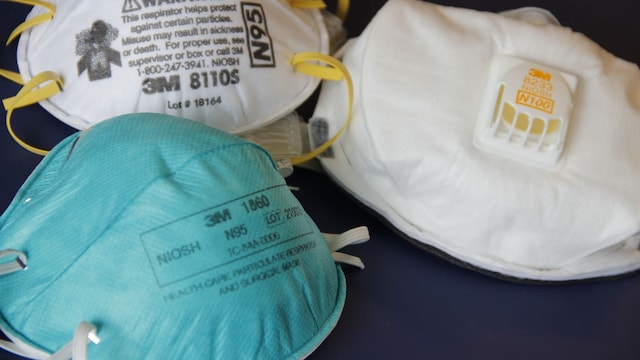
In contrast, NIOSH-certified N95 respirators are engineered to achieve a high particulate filtration efficiency of at least 95% against airborne non-oil particles as small as 0.3 micrometers. Constructed from a non-woven electrostatically charged polypropylene matrix, N95 respirators utilize both mechanical capture and electrostatic attraction. Unlike loose cloth masks, certified N95 respirators offer a tight facial seal with an adjustable nose clip, preventing side leakage and providing maximum protection against toxic winter smog. However, while N95 respirators are reusable over short periods until soiled or damaged, they are not washable, as water destroys their electrostatic charge.
READ | Can N95 Masks Fully Protect Your Lungs From Toxic Air Pollution? Here's What You Should Know
Buying Guide: Tips for Purchasing Masks in India
With hundreds of brands flooding online marketplaces and local pharmacies during peak pollution season, finding genuine respiratory protection requires attention to specific certifications and fit standards:
- Verify Genuine Certifications: Look for official markings stamped directly on the body of the respirator. Legitimate options include NIOSH-approved N95 (with a valid Testing & Certification TC number), BIS-certified ISI mark (under IS 9473 standard for respirators in India), or European FFP2 ratings. Avoid masks that claim "FDA Approved" for kids or list generic, unverified claims without regulatory numbers.
- Prefer Headbands over Earloops for N95s: Official NIOSH N95 standards require two elastic headbands (one wrapping around the neck and one around the crown of the head) to pull the respirator tight against the face. Masks with earloops rarely achieve the facial seal necessary to meet full N95 compliance.
- Beware of Exhalation Valves: While masks with plastic exhalation valves feel cooler, they vent unfiltered exhaled air outward. In crowded public areas, unvalved respirators or valved masks with internal cloth barriers are preferred for two-way protection.
- Avoid Fancy/Fashion Masks: Do not rely on decorative fabric prints, cartoon graphics, or sequined masks unless they enclose a certified, independently tested melt-blown filter layer.
Protecting Vulnerable Populations: Children And The Elderly
- Guidelines for Children: Standard adult N95 respirators should never be used on children by folding or knotting the straps; doing so creates gaps that destroy the seal. Parents should look for specially sized pediatric respirators (such as certified pediatric KN95 or small-profile FFP2 options) designed to cover the nose, mouth, and chin snugly without blocking vision. Children under 2 years of age should not wear face masks due to suffocation risks. For young children who find breathing through tight filters difficult, the safest approach is to restrict outdoor play and physical exertion during high-AQI periods.
- Guidelines for Senior Citizens and Chronic Respiratory Patients: Elderly individuals, especially those with pre-existing cardiovascular conditions, COPD, or asthma, must balance filtration efficiency with breathing comfort. High-resistance respirators can increase the effort required to breathe. Seniors should opt for well-fitted N95 or FFP2 respirators with low breathing resistance, take frequent breaks indoors, and avoid outdoor walking during early morning peak smog hours.
READ | Delhi's Winter Pollution Plan: What It Means For Your Lungs And Heart
Practical Guidelines for Maximum Protection
To optimize respiratory defense during high-pollution events, public health guidelines emphasize the following operational protocols:
- Achieve a Secure Seal: Press the flexible metal nose clip firmly against the bridge of the nose and adjust headbands to eliminate peripheral gaps.
- Avoid Washing Disposable N95s: Washing, steaming, or spraying N95 masks with chemical disinfectants degrades the electrostatic charge of the internal melt-blown layer, drastically impairing filtration efficiency.
- Recognize Mask Limits: N95 respirators are designed for particulate filtration PM2.5 and PM10; they do not filter toxic gaseous pollutants such as nitrogen dioxide (NO2), sulfur dioxide (SO2), or ground-level ozone (O3).
- Timely Replacement: Replace disposable respirators when they become moist from breath condensate, soiled, structural deformation occurs, or breathing resistance increases noticeably.
As winter smog blankets cities across India, N95 respirators provide a scientifically proven, superior defense against harmful PM2.5 particles compared to standard cloth masks. While cloth masks offer minimal coverage against coarse dust, their porous weave and loose fit leave the lower lungs exposed to fine toxic pollutants. Selecting certified, well-fitted N95 respirators for adults and age-appropriate, certified options for children remains a critical preventative health measure throughout the peak pollution season.
Disclaimer: This content including advice provides generic information only. It is in no way a substitute for a qualified medical opinion. Always consult a specialist or your own doctor for more information. NDTV does not claim responsibility for this information.