

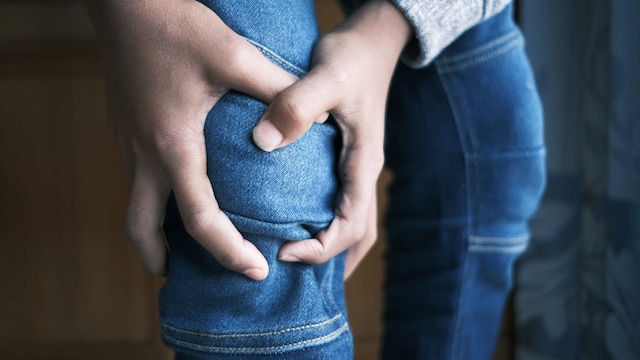
Orthopaedic clinics are seeing an unexpected shift. Conditions traditionally associated with ageing, most notably arthritis and chronic joint pain, are increasingly being diagnosed in people in their 20s, 30s and 40s. While osteoarthritis and inflammatory joint conditions were once considered less common in this age group, modern lifestyles are increasingly influencing joint health. "Joint problems in younger adults are often linked to a combination of sedentary habits, poor ergonomics, excess weight, nutritional deficiencies and improper exercise techniques. Persistent pain or stiffness should not be dismissed as routine fatigue, as early assessment can help prevent minor problems from progressing," says Dr (Prof) Amite Pankaj Aggarwal, principal director and head of orthopaedics and joint replacement, Fortis Hospital, Shalimar Bagh. Not every episode of knee, hip, back or hand pain means a person has arthritis. Temporary pain can occur after exercise, an injury or overuse. However, persistent pain, swelling, stiffness or difficulty performing everyday movements should not be dismissed simply because of a person's age.
Why Can Arthritis Develop At A Younger Age?
Several interconnected factors can contribute to the early onset of joint problems.
Sedentary Lifestyles
Prolonged sitting can weaken the muscles that support the spine and joints. When activity does occur, weakened muscles may be unable to absorb and distribute loads effectively, placing additional stress on the joints. Long periods of inactivity can also contribute to stiffness, reduced flexibility and poor physical conditioning.
Ergonomic Strain
Hours spent hunched over laptops and smartphones can affect posture and place excessive mechanical stress on the cervical spine, shoulders and wrists. Poor workstation arrangements may further contribute to neck, back and upper-limb discomfort. Keeping screens at eye level, supporting the lower back and taking regular movement breaks can help reduce strain.
Obesity And Metabolic Stress
Excess body weight increases the mechanical load on weight-bearing joints such as the knees and hips. Over time, this may accelerate cartilage wear and contribute to pain and reduced mobility.
Obesity may also be associated with metabolic and inflammatory changes that can affect joint health. Maintaining a healthy body weight can therefore be an important part of protecting the joints.
High-Impact And Improper Training
Sudden increases in gym routines, running distances or other high-impact activities can place excessive stress on muscles, ligaments and joints. Training without adequate conditioning, recovery or proper technique can increase the risk of acute injuries. Previous ligament, cartilage or joint injuries may alter joint movement and increase the likelihood of post-traumatic arthritis later in life.
Nutritional Gaps
Deficiencies in vitamin D and calcium can affect bone health and muscle function. Adequate protein, calcium and vitamin D are important for maintaining strong bones and supporting the muscles around the joints. However, nutrition alone cannot prevent every form of arthritis. A balanced diet should be considered part of an overall approach that also includes regular movement, strength training and appropriate medical care.
Is Every Joint Pain A Sign Of Arthritis?
Joint pain can have several causes. In younger adults, symptoms may be linked to muscle strain, ligament injuries, tendon problems, bursitis, sports injuries, poor posture or temporary overuse. Some forms of arthritis are caused by inflammation or autoimmune conditions rather than the gradual wear-and-tear process associated with osteoarthritis.
This is why persistent joint symptoms should not be self-diagnosed. A doctor may consider the location and duration of pain, whether there is swelling or stiffness, previous injuries, activity levels and other symptoms before deciding whether further evaluation is needed.
"Joint problems are no longer limited to older adults. Sedentary routines, prolonged screen time, excess body weight, inadequate muscle strength and sports-related injuries can all contribute to discomfort and increased stress on the joints. However, not every episode of joint pain indicates arthritis," says Dr Ankur Singh, associate director and head, unit I, orthopaedics and robotic joint replacement, Sarvodaya Hospital, Greater Noida, West.
What Are The Warning Signs To Watch Out For?
Certain symptoms deserve attention, particularly when they persist or interfere with daily activities. These may include:
- Persistent pain in a joint
- Recurrent swelling
- Stiffness, particularly after periods of inactivity
- Reduced range of movement
- Difficulty climbing stairs, walking or performing routine activities
- Pain that repeatedly returns after physical activity
- A sensation of instability or weakness around a joint
The pattern of symptoms can provide important clues. Pain that consistently worsens with activity may have a different cause from prolonged morning stiffness or swelling affecting several joints.
Can Previous Sports Injuries Increase The Risk?
A significant joint injury earlier in life can have consequences years later. Damage to structures that stabilise or cushion a joint can alter its biomechanics. Even after an injury appears to have healed, changes in movement patterns or joint stability may increase stress on the joint.
This does not mean that every person who has suffered a sports injury will develop arthritis. However, appropriate rehabilitation, strengthening and a gradual return to activity can help protect joint function.
Younger adults who have had major knee, ligament or cartilage injuries should not ignore recurrent symptoms simply because they are considered "too young" to have arthritis.
Does Weight Affect Joint Health?
Body weight is particularly relevant for joints that carry the body's weight. The knees, hips and ankles repeatedly absorb forces during walking, running, climbing stairs and other activities. Excess weight can increase the mechanical load placed on these joints. Maintaining a healthy weight can therefore be an important part of protecting joint health, particularly in people who already have knee or hip problems. However, weight should not be viewed as the only explanation for joint pain. People with a healthy body weight can also develop arthritis because of previous injuries, genetics, joint structure, inflammatory conditions or other factors.
Can Exercise Prevent Joint Problems?
Regular physical activity can support joint health, provided the exercise is appropriate for the person's fitness level and medical condition. Strength training can help build the muscles surrounding and supporting joints, while activities such as walking, cycling and swimming can help maintain mobility and overall fitness. The goal is not to avoid movement because of a fear of joint damage. Prolonged inactivity can weaken muscles and reduce physical function.
At the same time, suddenly increasing training volume, exercising through significant pain or repeatedly performing movements with poor technique can increase the risk of injury. A gradual progression, adequate recovery and appropriate technique are particularly important for people who engage in high-impact or strength-based exercise.
"Healthy joints depend on strong supporting muscles, adequate physical activity and maintaining a healthy body weight. Young adults should incorporate regular movement into their daily routine, practise strength training under appropriate guidance and avoid sudden increases in exercise intensity," says Dr Singh.
How Can Younger Adults Protect Their Joints?
There is no guaranteed way to prevent every form of arthritis, but several habits can support long-term joint health.
Move Regularly
Break up sedentary periods with short walks, mobility exercises or dynamic stretches every hour. Regular movement can help reduce stiffness and support muscle strength.
Prioritise Ergonomics
Keep computer monitors at eye level, support the lower back and avoid holding the neck in a bent position for prolonged periods while using smartphones.
Focus On Form
During workouts, proper technique should take priority over lifting heavier weights or increasing intensity quickly. Training should progress gradually and include adequate recovery.
Nourish Your Body
A balanced diet containing adequate protein, calcium and vitamin D supports muscle and bone health. Foods rich in omega-3 fatty acids may also form part of an overall healthy, anti-inflammatory eating pattern.
Address Injuries Properly
Persistent pain after an injury should be evaluated rather than repeatedly ignored. Appropriate rehabilitation can help restore strength, movement and joint stability.
When Should You See A Doctor?
A joint problem that persists, repeatedly returns or affects normal activities deserves medical attention. You should consider seeing an orthopaedic specialist if pain is accompanied by persistent swelling, significant stiffness, restricted movement, instability or difficulty walking or using the affected joint. Early evaluation is particularly important after a significant injury, especially if symptoms do not improve with rest and appropriate recovery.
"Persistent joint stiffness or pain should never be ignored as mere fatigue. Timely assessment by a bone and joint specialist can help identify the cause and guide appropriate treatment. Early intervention, rehabilitation and lifestyle changes can help preserve mobility and support long-term joint health," says Dr Singh.
The bottom line is that arthritis is not exclusively an older person's disease. While ageing remains an important risk factor, joint health can be influenced by injuries, body weight, posture, physical activity, nutrition and several other factors much earlier in life. Recognising persistent symptoms and addressing risk factors early can help younger adults protect their mobility and joint function in the long term.
"Arthritis is often associated with older adults, but joint problems are increasingly being reported among younger people as well. Osteoarthritis can develop earlier in life, particularly in individuals with previous joint injuries, obesity, abnormal joint alignment or repetitive stress on the joints," says Pushkar Chawla, director and unit head, orthopaedics, ShardaCare Healthcity, Greater Noida, Uttar Pradesh.
Disclaimer: This content including advice provides generic information only. It is in no way a substitute for a qualified medical opinion. Always consult a specialist or your own doctor for more information. NDTV does not claim responsibility for this information.