

)
For someone living with diabetes, hypertension or chronic kidney disease, managing health is already a long-term commitment involving medicines, doctor visits, blood tests, lifestyle changes and, in some cases, repeated hospital care. An additional infection such as shingles can add another layer to that burden.
Shingles, medically known as herpes zoster, occurs when the varicella-zoster virus, the same virus that causes chickenpox, reactivates in the body years after the initial infection. The risk rises substantially with age, particularly after 50, as immune function changes. Certain chronic conditions, including diabetes and kidney and lung diseases, can also increase the risk.
The consequences may go beyond a painful rash. Shingles can lead to persistent nerve pain, known as post-herpetic neuralgia (PHN), additional consultations, medicines and hospitalisation in some cases. For older adults and their families, there can also be indirect costs such as lost working time, transport expenses and caregiving responsibilities.
"People living with chronic diseases such as diabetes, hypertension and chronic kidney disease often require regular medications, consultations, investigations and lifestyle changes. When an additional illness such as shingles occurs, it can worsen underlying health conditions, disrupting the outcomes of ongoing treatment," said Dr Monalisa Sahu, Consultant, Infectious Diseases, Yashoda Hospital, Hyderabad.
What is shingles and why does the risk increase with age?
After a person recovers from chickenpox, the varicella-zoster virus remains dormant in the nervous system. Years later, it can reactivate and cause shingles. According to the World Health Organization (WHO), shingles is much more common in adults over 50, with the risk increasing as the immune system becomes less effective at keeping the dormant virus under control. Certain medical conditions, including diabetes, chronic kidney disease and lung disease, can further increase the risk.
A WHO position paper estimates that around 14.9 million cases of herpes zoster occurred globally among people aged over 50 in 2020, with the number projected to rise as populations age. The infection typically causes pain, burning, tingling or itching followed by a blistering rash, usually affecting one side of the body. If the rash appears around the eye, it requires urgent medical attention because shingles affecting the eye can threaten vision.
Why chronic disease can make shingles more concerning
Chronic illness does not mean that a person will necessarily develop shingles, but several underlying conditions are associated with a higher risk. A large systematic review and meta-analysis identified diabetes, cardiovascular disease, chronic respiratory disease and renal disease among conditions associated with increased herpes zoster risk.
Diabetes has been particularly well studied. A meta-analysis of cohort studies found that people with diabetes had a significantly higher risk of developing herpes zoster than people without diabetes, with a pooled incidence rate ratio of 1.60.
For people already managing chronic disease, shingles can therefore mean another illness requiring assessment and treatment at a time when they may already be taking multiple medicines and attending regular appointments.
"An episode of shingles can mean more than dealing with a painful rash. The infection and its complications may require additional healthcare visits and, in more severe cases, hospitalisation," Dr Sahu said.
One of the most important complications is post-herpetic neuralgia, or persistent nerve pain that continues after the rash has healed. WHO identifies PHN as the most common serious complication of shingles, and its frequency and severity increase with age.
Also Read: Ed Sheeran Reveals Shingles Diagnosis: Signs, Risk Factors Of The Misunderstood Viral Infection
The financial burden of shingles can extend beyond treatment
The economic impact of shingles is not limited to the cost of consultations, medicines or hospitalisation. Research has documented additional healthcare utilisation following herpes zoster, with older patients generally requiring more healthcare resources. One study found that acute shingles was associated with additional outpatient visits, prescriptions and hospital admissions, with healthcare costs increasing with age.
A prospective study of adults aged 60 and above found that people with shingles had an average of 5.7 outpatient visits. Prescription medicines accounted for 60% of direct medical costs, while patients who developed PHN incurred higher costs than those without the complication.
For India, the financial implications can be particularly relevant for older adults. A NITI Aayog report notes that 78% of India's elderly population does not have a pension, while only 18% were reported to have health insurance coverage in the cited data. The report also identifies healthcare expenditure as a major contributor to financial vulnerability among older households.
This means an additional illness can place pressure not only on a patient's health but also on household finances, particularly when care involves repeated consultations, investigations, medicines or hospitalisation.
Shingles can affect work and caregivers too
The indirect burden can be easy to overlook. In a six-month prospective study of employed adults with herpes zoster, 64% missed work because of shingles and 76% reported reduced effectiveness while working. The study found an average of 27 hours of absenteeism and 34 hours of presenteeism per employed patient, with greater pain associated with greater productivity losses.
For older adults who depend on family members, the burden may shift to caregivers instead. An analysis using data from India's Longitudinal Ageing Study found that nearly 29% of informal caregivers reported depressive symptoms. Those providing more than 40 hours of care a week had an even higher likelihood of depressive symptoms.
"Beyond the financial implications, lost productivity, time away from work and caregiver responsibilities can add to the indirect economic burden on families," Dr Sahu said.
Also Read: Shingles Pain May Soon Be Easier To Treat, New Study Finds
Can shingles be prevented?
Prevention deserves to be discussed as part of routine health counselling for older adults and people with chronic conditions.
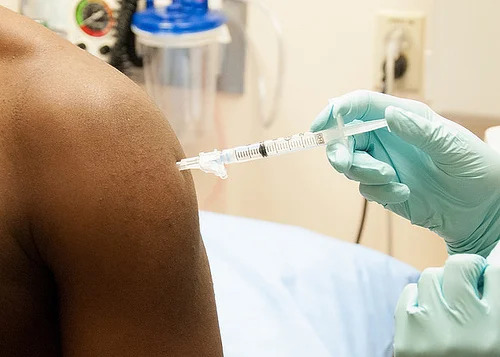
WHO recommends that countries consider the recombinant herpes zoster vaccine for older adults and people with chronic conditions where shingles represents an important public health problem. The vaccine is designed to reduce the risk of shingles and its complications, including PHN.
Evidence also supports considering vaccination in people with specific chronic conditions. A systematic review and meta-analysis involving more than 400,000 people with kidney disease found that herpes zoster vaccination was associated with a lower risk of shingles without a significant increase in adverse events.
Similarly, research in people with diabetes has found an increased risk of herpes zoster, supporting vaccination discussions for this group, particularly among older adults.
Vaccination decisions, however, should be individualised. People with chronic illnesses should discuss eligibility, timing, previous shingles infection, current medicines and immune status with their doctor rather than treating vaccination as a substitute for medical advice.
"As a doctor counselling older patients every day, I believe the consequences of shingles need to be well understood. More importantly, the role of prevention and vaccination must be explored as part of health counselling and routine checkup," Dr Sahu said.
Disclaimer: This content including advice provides generic information only. It is in no way a substitute for a qualified medical opinion. Always consult a specialist or your own doctor for more information. NDTV does not claim responsibility for this information.