

)
When global music icon Ed Sheeran recently shared that he had been diagnosed with shingles, it brought renewed attention to a condition many people underestimate. In a post on his social media, the 'Sapphire' singer said, "I've had shingles for the last month, wouldn't recommend it, but on the mend now". The 35-year-old English singer-songwriter also sported a shaved head in the post, saying he did it "to signify a fresh start". While the shaved head likely doesn't have a direct bearing on his shingles diagnosis, the conversations after the post have indeed focused on Sheeran's health update. Often associated with older adults, shingles can affect younger individuals too, especially under certain health conditions.
Shingles is caused by the reactivation of the varicella-zoster virus, the same virus responsible for chickenpox. After a person recovers from chickenpox, the virus remains dormant in the body's nerve tissues and can reactivate years later, leading to shingles.
While not usually life-threatening, shingles can be extremely painful and, in some cases, lead to long-term complications such as nerve pain or vision problems. In India, where awareness about adult vaccination remains limited, cases are often underdiagnosed or mistaken for other skin conditions.
Sheeran's disclosure has sparked conversations around symptoms, risk factors, and prevention, highlighting why it's important to recognise the signs early and seek timely treatment. Here's what you need to know about shingles and why it deserves more attention.
What is shingles?
Shingles, also known medically as Herpes Zoster, is a viral infection that causes a painful rash. It occurs when the varicella-zoster virus reactivates in the body after lying dormant for years. According to the World Health Organization (WHO), most adults who have had chickenpox carry this virus silently, meaning shingles can develop later in life, even decades after the initial infection.
Common signs and symptoms
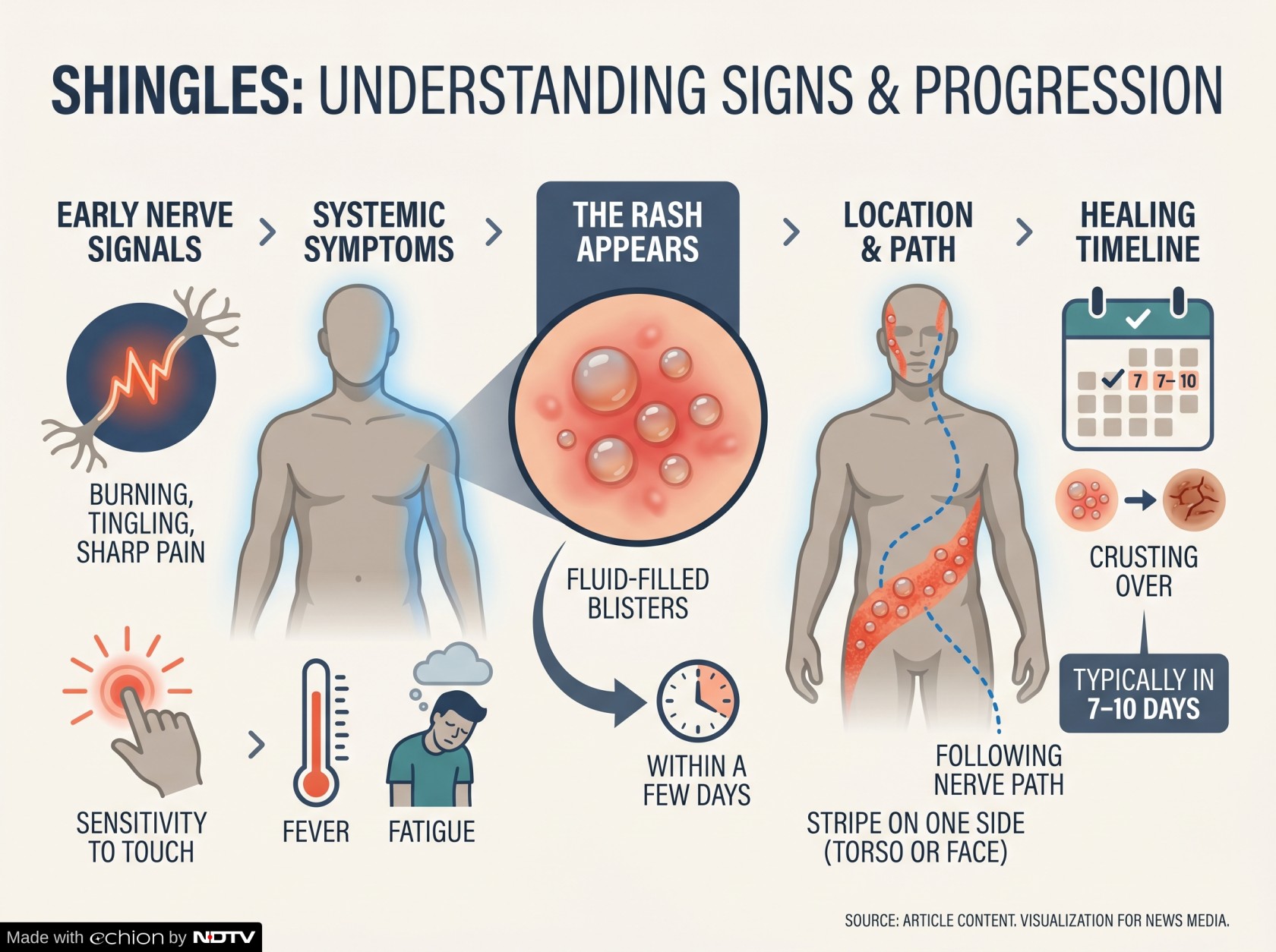
Shingles often begins subtly before progressing into a visible rash. Early symptoms may include:
- Burning, tingling, or sharp pain on one side of the body
- Sensitivity to touch
- Fever and fatigue
Within a few days, a rash appears, typically forming fluid-filled blisters that crust over within 7-10 days. The rash usually appears as a stripe around one side of the torso or face, following the path of affected nerves.
Also Read: Shingles Vaccine May Also Slow Down Biological Ageing In Older Adults, Study Finds
Why shingles can be serious
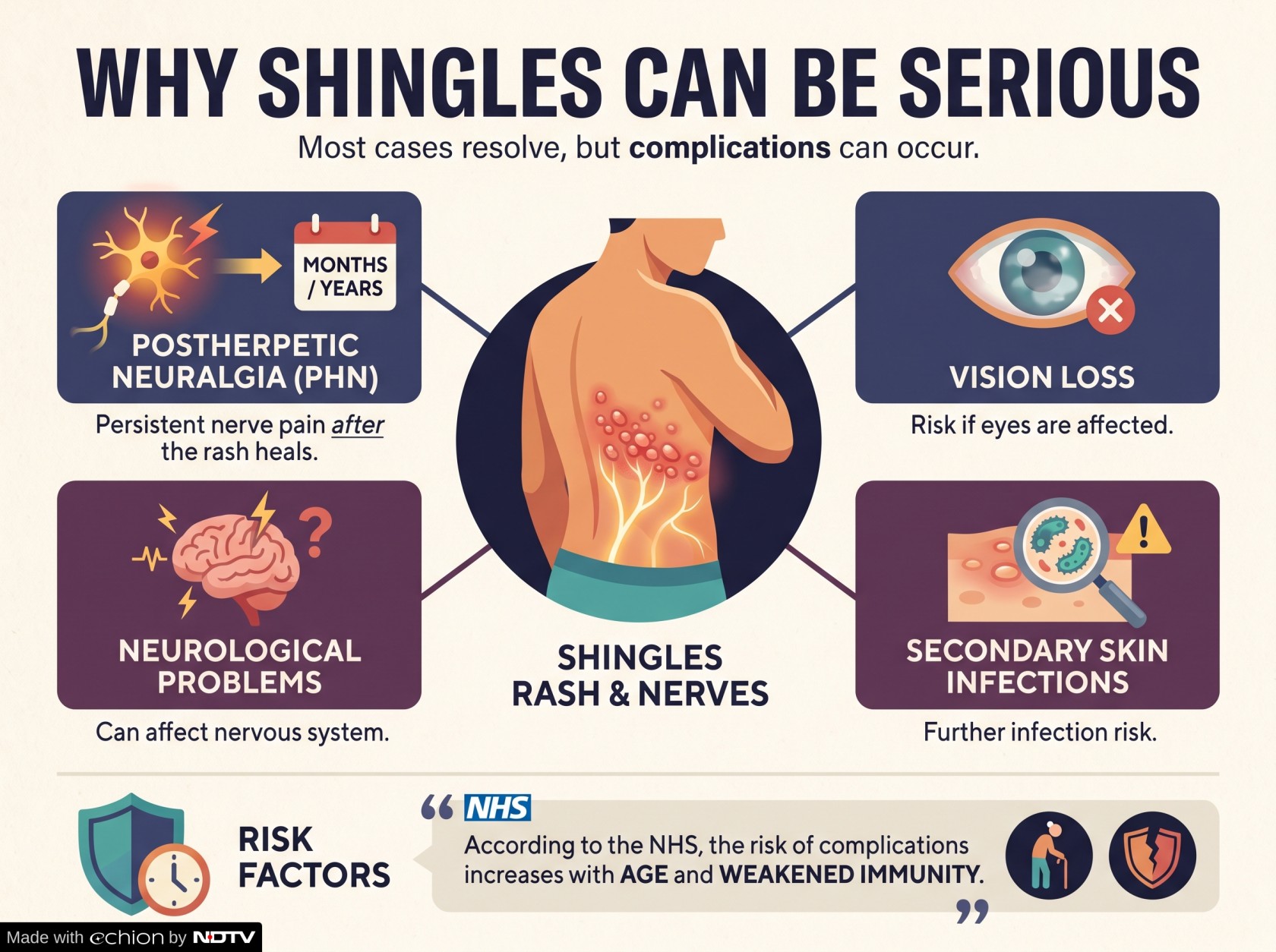
While many cases resolve within a few weeks, shingles can lead to complications. One of the most common is postherpetic neuralgia (PHN), a condition where nerve pain persists even after the rash heals.
Other potential complications include:
- Vision loss if the eyes are affected
- Neurological problems
- Secondary skin infections
According to the UK's National Health Service (NHS), the risk of complications increases with age and weakened immunity.
Who is at risk?
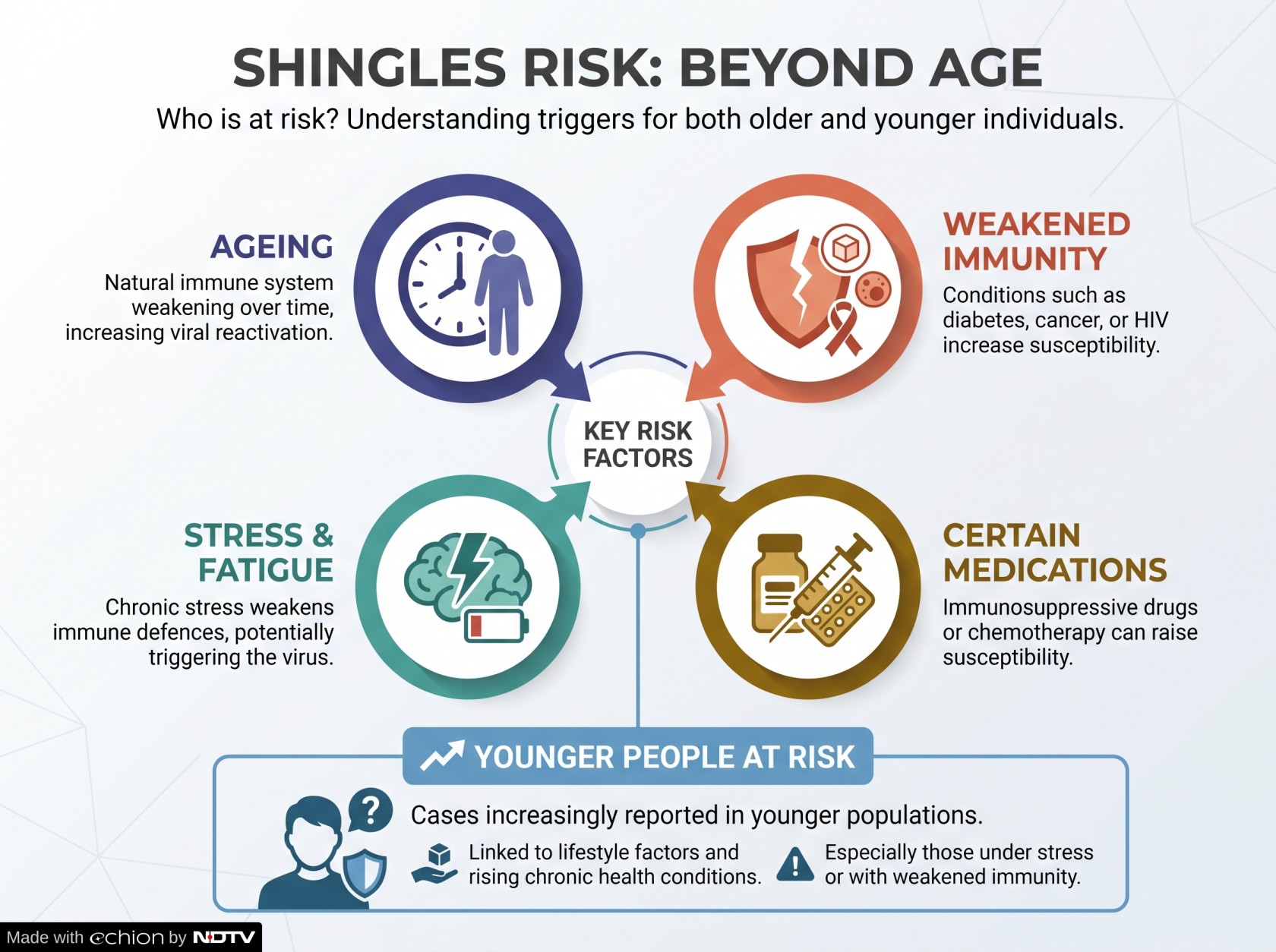
Shingles is often associated with older adults, but it can affect younger individuals too.
Key risk factors include:
- Ageing: The immune system naturally weakens over time, making viral reactivation more likely.
- Weakened immunity: Conditions such as diabetes, cancer, or HIV can increase risk.
- Stress and fatigue: Chronic stress can weaken immune defences, potentially triggering the virus.
- Certain medications: Immunosuppressive drugs or chemotherapy can raise susceptibility.
Can younger people get shingles?
Yes, and this is where awareness is often lacking. While older adults are at higher risk, younger individuals, especially those under stress or with weakened immunity, can also develop shingles. Cases in younger populations have been increasingly reported, possibly due to lifestyle factors and rising chronic health conditions.
Is shingles contagious?
Shingles itself is not spread from person to person. However, the virus can be transmitted to someone who has never had chickenpox, causing them to develop chickenpox, not shingles. Direct contact with the fluid from shingles blisters is the main mode of transmission.
Treatment and recovery
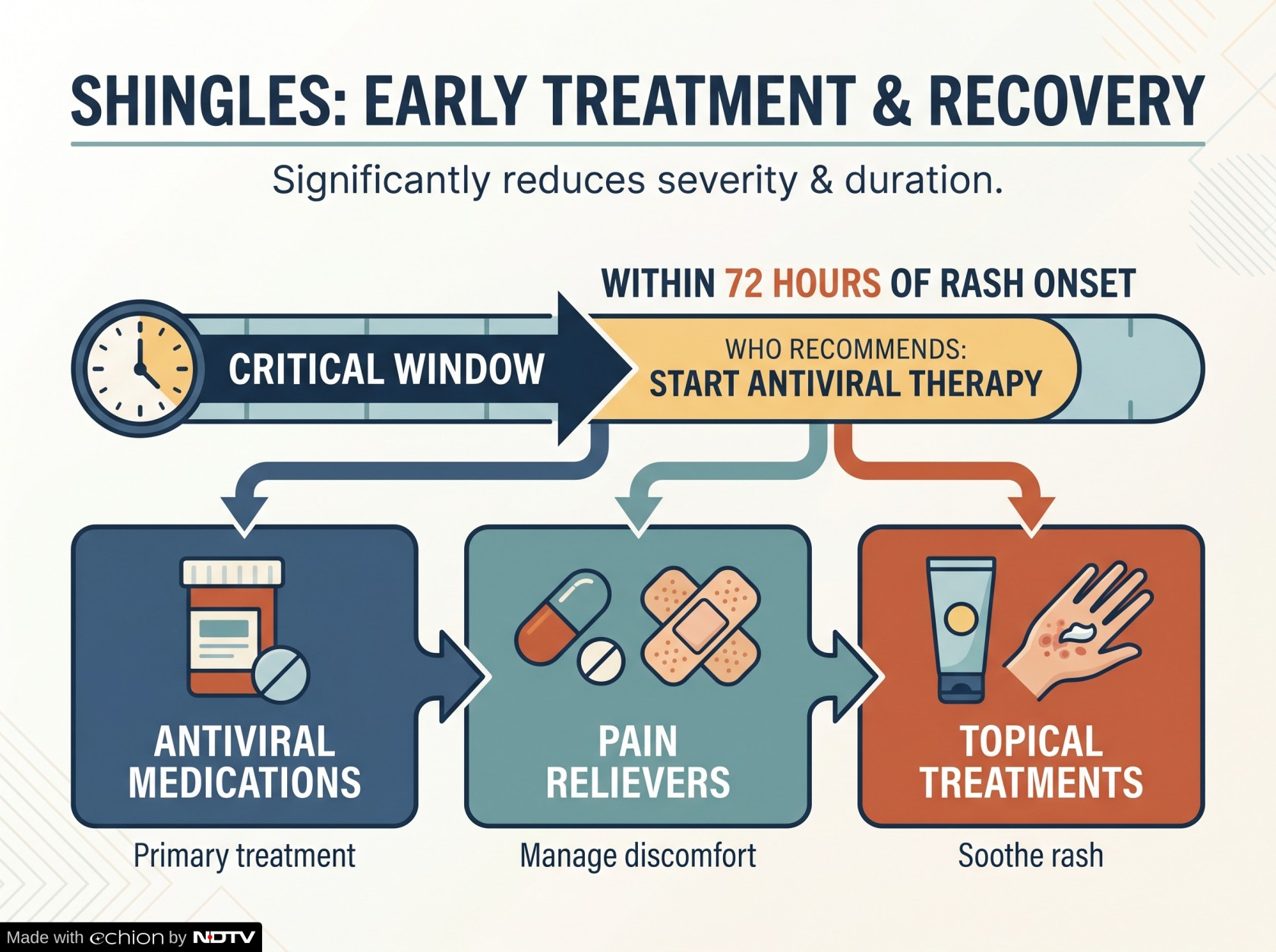
Early treatment can significantly reduce the severity and duration of shingles.
Doctors typically prescribe:
- Antiviral medications
- Pain relievers
- Topical treatments for the rash
The WHO recommends starting antiviral therapy within 72 hours of rash onset for best results.
Can shingles be prevented?
Vaccination is the most effective way to reduce the risk. The Centers for Disease Control and Prevention (CDC) recommends shingles vaccines, especially for adults over 50 and those with weakened immunity.
In addition to getting a shingles vaccination, maintaining a strong immune system can help:
- Manage stress
- Get adequate sleep
- Eat a balanced diet
- Control chronic conditions
Also Read: How "Joy Bangla" Became Bengal's Name For A Viral Eye Epidemic
Why awareness matters
Shingles is often misunderstood or dismissed as a simple skin issue, leading to delayed diagnosis and treatment. Ed Sheeran's openness about his diagnosis helps normalise conversations around the condition and highlights that it can affect anyone, not just older adults. Early recognition of symptoms and timely medical care can prevent complications and improve outcomes.
Shingles is more than just a rash, it's a painful viral condition that can have lasting effects if not treated promptly. While it is more common in older adults, younger individuals are not immune, especially in the presence of stress or weakened immunity. Ed Sheeran's diagnosis has brought much-needed attention to this often-overlooked condition. Recognising early symptoms, seeking timely treatment, and considering vaccination are key steps in managing and preventing shingles. As awareness grows, so does the opportunity to reduce the burden of this misunderstood viral infection.
Disclaimer: This content, including advice, provides generic information only. It is in no way a substitute for a qualified medical opinion. Always consult a specialist or your own doctor for more information. NDTV does not claim responsibility for this information.