

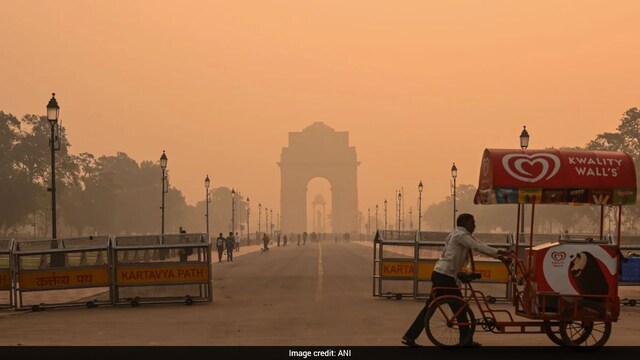
Air pollution usually peaks with the onset of the winter season. Shortly after the Diwali celebrations, the Air Quality Index (AQI) rose to 483 at 8:10 AM, according to official data. An AQI above 400 falls into the severe category, posing immediate risks to respiratory and cardiovascular health. Even brief exposure to high pollution levels can have both immediate and long-term effects on the body. PM2.5 particles are so tiny that they bypass the nasal filtration system, lodging deeply in the lungs and entering the bloodstream.
High AQI levels trigger immediate symptoms such as coughing, wheezing, throat irritation, and shortness of breath. These conditions can severely exacerbate underlying issues like asthma and Chronic Obstructive Pulmonary Disease (COPD). Additionally, toxins entering the bloodstream can cause oxidative stress and systemic inflammation.
What to consider before stepping out today
While pollution levels are high, going outside may be unavoidable during the festive season. Children (whose lungs are still developing), the elderly, pregnant individuals, and those with pre-existing heart or lung diseases are at the greatest risk for acute complications.
1. Check real-time AQI levels
Before going out, check the Air Quality Index (AQI) in your area. Use platforms such as the Central Pollution Control Board (CPCB) or reliable air quality monitoring apps.
2. Wear the right mask
Cloth masks and standard surgical masks do not filter out PM2.5 particles. Use a well-fitted N95, N99, or FFP2 respirator to effectively block fine particulates. Ensure that the mask fits snugly around your face to prevent any unfiltered air from entering.
READ | Smog, Dust And Dry Winter Air Can Trigger Sinus Discomfort: What A Doctor Recommends
3. Time your outings
Limit outdoor activities during early morning and late evening hours when temperature inversions are more common, and pollutants tend to concentrate. If you need to go outside, aim for the mid-afternoon when pollution levels may be slightly lower. Wind and rain can temporarily improve air quality, so consider these factors when planning activities.
4. Minimise outdoor activities
Reduce strenuous activities, especially outdoors, as they can increase the intake of polluted air.
5. Use air-purifying devices indoors
If possible, use HEPA air purifiers in your home to reduce indoor pollution levels. Make sure to maintain and regularly change filters in your air-purifying devices for optimal performance.
READ | Eye Irritation From Air Pollution: Symptoms And When To See A Doctor
6. Maintain good indoor air quality
On days with poor air quality, keep doors and windows closed to prevent outdoor pollutants from entering your home. Limit activities that can create indoor air pollution, such as smoking, burning candles, or using certain cleaners and sprays.
7. Stay hydrated and support your natural defences
Staying hydrated helps your body manage and flush out toxins. Prioritise foods rich in antioxidants that can support your respiratory health. Consider incorporating fruits and vegetables like berries, oranges, and leafy greens into your diet.
Know when to seek help
Monitor for any symptoms such as shortness of breath, coughing, or irritation of the eyes and throat. If symptoms persist or worsen, seek medical attention promptly.
During high pollution levels, it is best to avoid outdoor activities whenever possible.
Disclaimer: This content including advice provides generic information only. It is in no way a substitute for a qualified medical opinion. Always consult a specialist or your own doctor for more information. NDTV does not claim responsibility for this information.