

)
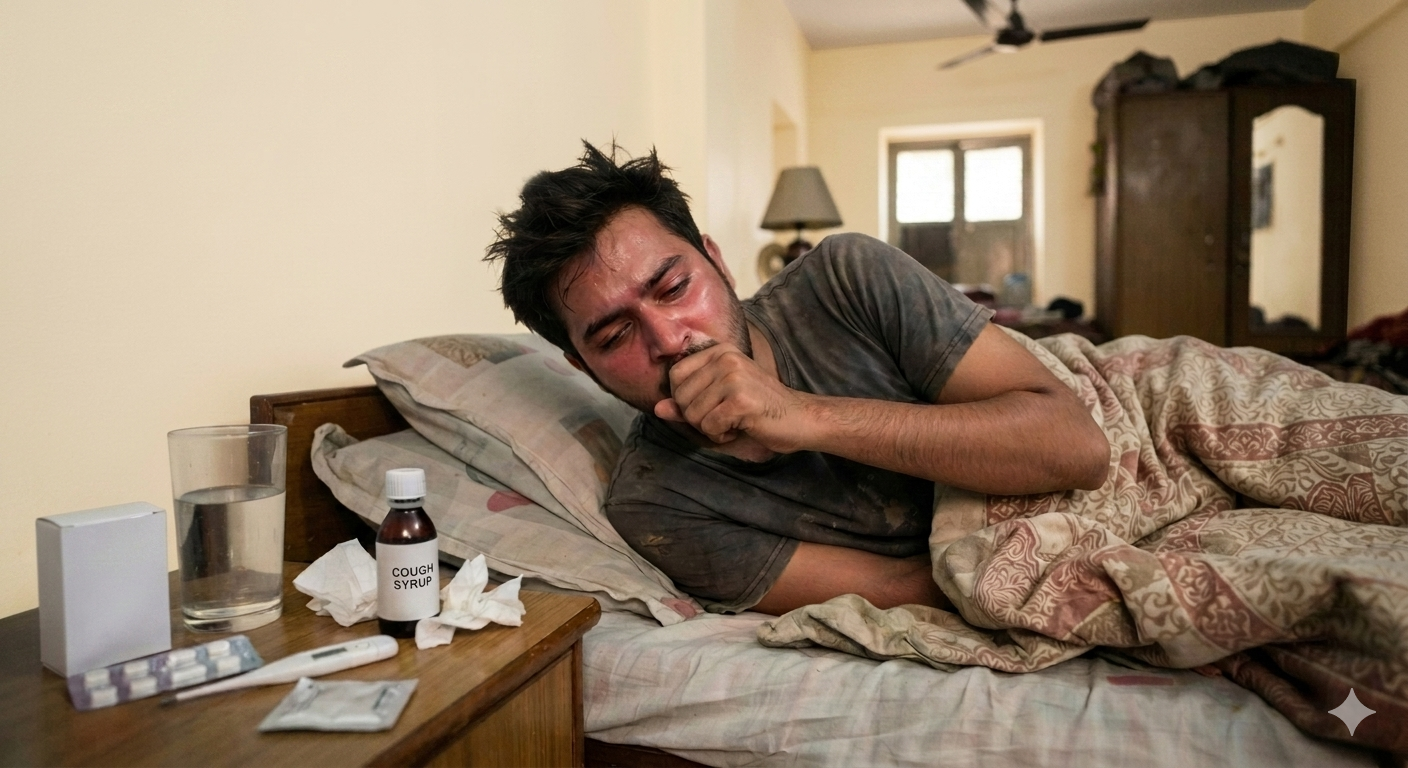
With H1N1 and other influenza infections on the rise, health experts are urging people to be cautious not only while they are sick but also during the recovery period. One common mistake is assuming that the flu is completely over as soon as the fever comes down. According to Dr Arjun Khanna, HOD, Pulmonology, Amrita Hospital, Faridabad, the period immediately after the fever subsides can be particularly important because the body may still be recovering from the infection. "The worst time in the course of influenza recovery is generally the day the fever is gone. Patients may think of this as getting better, but clinically defervescence is not the same as a full recovery. Airway inflammation, fatigue, and reduced exercise tolerance may persist even after the acute infection resolves," says Dr Khanna. He highlights seven common mistakes that people should avoid while recovering from influenza.
1. Exercising Too Hard Too Soon
One of the most common mistakes is returning to intense exercise as soon as the fever disappears. While the absence of fever is encouraging, it does not necessarily mean that the respiratory system and the rest of the body have fully recovered. Influenza can leave behind fatigue, airway inflammation and reduced exercise tolerance. Jumping straight back into heavy gym sessions, running or other high-intensity activities may place unnecessary stress on the recovering body. Instead, physical activity should be increased gradually as energy, appetite and breathing return to normal.
2. Returning To Work While Still Symptomatic
Feeling well enough to leave the house does not necessarily mean that a person has fully recovered or stopped being infectious. Returning to a busy workplace while still experiencing significant cough, fatigue or other flu symptoms can also increase the risk of spreading respiratory infection to others. People should allow adequate recovery time and follow public-health guidance regarding when it is appropriate to resume normal activities.
3. Self-Prescribing Antibiotics
Influenza is caused by a virus, which means antibiotics do not directly treat the infection. Taking antibiotics without medical advice can expose people to unnecessary side effects and contributes to antibiotic resistance. Antibiotics may become appropriate if a doctor identifies a secondary bacterial infection, but they should not routinely be taken for uncomplicated influenza.
4. Not Drinking Enough Fluids
Fever, sweating, reduced appetite and increased respiratory losses can contribute to dehydration during influenza. People recovering from the flu should maintain adequate fluid intake, particularly if they have experienced fever or have been eating and drinking less than usual. Hydration also supports normal bodily functions while the body recovers from infection.
5. Neglecting Sleep And Nutrition
Recovery does not end when the temperature returns to normal. The body may still need time, adequate nutrition and sufficient sleep to recover from the effects of infection and inflammation. Skipping meals, sleeping poorly or immediately returning to an exhausting routine can make lingering fatigue harder to manage. A balanced diet containing adequate protein, carbohydrates, fruits, vegetables and fluids can support recovery.
6. Smoking Or Vaping
Smoking and vaping can further irritate the respiratory tract at a time when the airways are already recovering from an infection. Avoiding tobacco smoke and other respiratory irritants during recovery can help reduce additional stress on the lungs. People with lingering cough, chest discomfort or breathing difficulties should be particularly cautious about exposing their airways to irritants.
7. Ignoring A 'Second Wave' Of Symptoms
A person may initially start feeling better only to develop new or worsening symptoms several days later. This should not automatically be dismissed as a normal part of recovery. "The second decay deserves particular attention. Influenza damages the respiratory epithelium, the cellular lining that protects the airways, and temporarily impairs normal defence mechanisms. This paves the way for complications like viral pneumonia and secondary bacterial pneumonia," says Dr Khanna. He adds that people who initially improve but then develop concerning symptoms should seek medical reassessment. "Those patients who improve, but then develop fever again, worsening cough, breathlessness, chest discomfort, unusual drowsiness or falling oxygen saturation should be reassessed and not just given more home remedies."
Why Can Flu Symptoms Persist After Fever Goes Away?
Influenza can trigger inflammation throughout the respiratory system. Even after the acute infection begins to resolve, inflammation and fatigue may persist for some time. This means a person may no longer have a fever but still experience weakness, cough or reduced exercise tolerance. Therefore, recovery should be based on how the body is functioning rather than simply counting the number of days since the fever disappeared.
Should You Push Through Post-Flu Fatigue?
"Another mistake is treating fatigue as something to 'push through'. Post-influenza fatigue is a physiological effect of infection and inflammation; it is not a sign of unfitness," explains Dr Khanna. He recommends allowing the body to recover gradually rather than forcing an immediate return to the previous level of activity. "Recovery must therefore be functional, not calendar. Once fever is gone and breathing is much improved, as well as hydration, appetite and energy, normal activities can gradually increase," he says.
When Should You Seek Medical Help?
Most people recover from influenza without serious complications. However, certain symptoms warrant medical assessment. Seek medical attention if symptoms worsen after an initial improvement, particularly if you develop:
- Fever that returns after initially settling
- Increasing or worsening cough
- Breathlessness
- Chest discomfort
- Unusual drowsiness or confusion
- Falling oxygen saturation
- Severe or worsening weakness
These symptoms can sometimes indicate complications such as pneumonia or another infection. Recovering from H1N1 or another influenza infection does not end the moment the fever disappears. As Dr Khanna puts it, "With H1N1, feeling better is the start of recovery, not its conclusion." Gradually returning to exercise, getting adequate sleep and nutrition, staying hydrated, avoiding smoking and vaping, and paying attention to symptoms that return or worsen can all help support a safer recovery. The key is to listen to how the body is functioning rather than rushing back to normal simply because the thermometer shows a normal reading.
Disclaimer: This content including advice provides generic information only. It is in no way a substitute for a qualified medical opinion. Always consult a specialist or your own doctor for more information. NDTV does not claim responsibility for this information.