

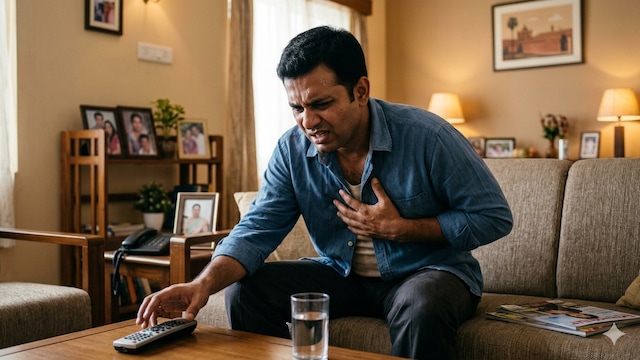
Heart disease, which has traditionally been linked to older adults, is increasingly being reported among young adults. Surprisingly, individuals with no prior history of high blood pressure or diabetes are also developing heart disease. A combination of various factors is contributing to this concerning trend. Dr. Jigar Shah, a heart surgeon, recently shared a case study on Instagram highlighting this issue. "A 33-year-old male, who does not smoke, drink alcohol, and has no history of high blood pressure or diabetes, suddenly experienced chest pain. An angiogram revealed that all three of his coronary arteries were blocked. This situation raises an important question: Why did this happen?" he said in the video.
"As a heart surgeon, I want to share some critical information with you. Your heart beats approximately 100,000 times a day and pumps around 7,000 litres of blood without taking a moment's break, even while you sleep. However, cholesterol can accumulate in the arteries slowly over the years without showing any symptoms," Dr. Shah added.
Being fit is not equal to a healthy heart
The doctor stressed that a fit body does not mean your heart is risk-free. Heart disease can develop silently without any symptoms, even in individuals who are otherwise healthy.
"It's important to remember that being young, physically fit, and having normal blood pressure and blood sugar levels do not guarantee protection against heart disease. Therefore, you should never ignore symptoms like chest pain, pressure, discomfort, shortness of breath, or sweating. There is a significant difference between being fit and having a healthy heart," Dr. Shah said.
Heart disease often develops silently because the cardiovascular system is highly adaptable, allowing arteries to narrow by up to 70% or more before causing any noticeable pain or shortness of breath. By the time a person experiences obvious symptoms, the underlying damage has usually been progressing for years or even decades.
READ | What Happens If You Forget To Take Your Blood Pressure Medication?
The misleading nature of "silent" precursors
Three of the most common precursors to severe heart disease are completely imperceptible without medical devices:
- High Blood Pressure: You cannot feel your blood pushing too hard against your vessel walls. Over time, this constant pressure can damage the arteries, making them stiff and likely to trap cholesterol.
- High LDL Cholesterol: Extra LDL particles quietly move through the bloodstream and can slip past the artery lining, leading to plaque buildup.
- Early-Stage Cardiomyopathy: Some genetic conditions can gradually thicken or enlarge the heart muscle. The heart must work harder to pump blood, hiding the problem until it suddenly fails during intense physical activity.
READ | Cardiologist Shares Essential Foods And Supplements To Take Before Peak Pollution Hits
Additionally, being young does not guarantee protection against heart disease because cardiovascular damage often develops silently over decades, driven by a combination of genetics, modern lifestyle shifts, and early-onset medical conditions.
1. Silent plaque buildup: Atherosclerotic plaque can form as early as adolescence, often without symptoms until a major cardiovascular event occurs.
2. Genetic predispositions: Family history and inherited conditions like familial hypercholesterolemia can increase the risk of early heart disease, regardless of lifestyle.
3. Early onset of modifiable risk factors: There is a rise in metabolic conditions among young adults (20s and 30s), including hypertension, type 2 diabetes, and obesity, which contribute to heart disease.
4. Modern lifestyle pressures: Factors such as chronic stress, sedentary behaviour, poor diets, and smoking/vaping introduce significant cardiovascular stressors for young adults.
READ | Heart Attack During the Festivities: The Warning Signs You Should Never Brush Aside
"Don't wait until your heart is in trouble to think about it-appreciate it while it's quietly working for you. If you experience chest pain, seek emergency medical help immediately. When it comes to heart health, time is critical," Dr Shah concluded.
Disclaimer: This content including advice provides generic information only. It is in no way a substitute for a qualified medical opinion. Always consult a specialist or your own doctor for more information. NDTV does not claim responsibility for this information.