

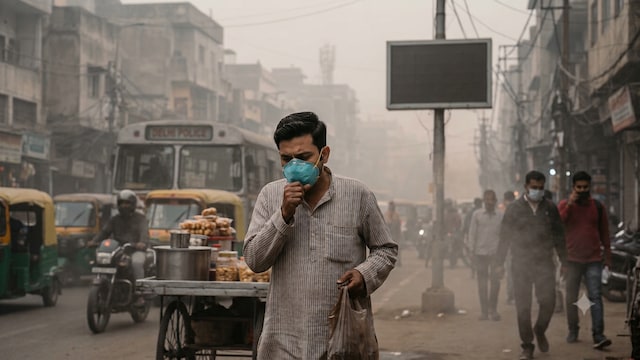
Stepping out in areas with poor air quality can expose you to a mixture of pollutants, including particulate matter, dust and harmful gases. When the Air Quality Index (AQI) rises, even routine activities such as commuting, walking to work or running errands can increase your exposure to polluted air. While avoiding outdoor exposure is not always possible, a few simple habits after returning home may help reduce the pollutants you carry indoors and support your respiratory health. From washing your face and changing clothes to keeping indoor air clean, small precautions can make a difference. However, it is important to remember that these steps cannot reverse the effects of pollution exposure or completely protect the lungs from harmful pollutants. According to Dr Pradeep Bajad, Senior Consultant & Asst. Professor, Dept. of Pulmonary Medicine, Amrita Hospital, Faridabad, coming home from a trip through smog can feel like a respite from pollution. But the front door doesn't seal airtight. Particles from outside come in through cracks and windows. Indoor pollution is from cooking, incense and tobacco smoke. This is more than a sore throat to worry about. PM2.5 can penetrate deep into the lungs, and some particles can enter the blood stream. The focus should be on minimising the next exposure after exposure, not a "lung detox". Dr Jay Bhanushali, Pulmonologist, Zynova Shalby Hospital, Ghatkopar West, Mumbai, shares seven healthy habits to follow after spending time outdoors in areas with high air pollution.
1. Wash Your Face And Hands And Take A Shower
One of the first things to do after returning home from a polluted environment is to wash your face and hands. Dust and particulate matter can settle on exposed skin and hair during outdoor activities. Dr Bhanushali recommends taking a shower to remove dust and pollutants that may have accumulated on the skin and hair. Washing your face and hands with clean water and a gentle cleanser can also help remove surface dirt.
This is particularly useful after a long commute or spending several hours outdoors. Avoid rubbing your eyes or touching your face with unwashed hands, especially after travelling through heavily polluted areas. While bathing does not remove pollutants that have already entered the respiratory tract, it can help prevent some outdoor dust from being carried into your living space.
READ | Ayush Minister Calls Upon Citizens To Prioritise Health On Dhanteras
2. Change Into Fresh Clothes After Coming Home
The clothes you wear outdoors may collect dust and particulate matter, particularly when pollution levels are high. Wearing the same clothes indoors can transfer some of these particles to furniture, bedsheets and other household surfaces. Dr Bhanushali advises changing into fresh clothes after returning home rather than continuing to wear the same outfit indoors. Keep your outdoor clothes separate from clean laundry and wash them regularly. If you have spent considerable time in a dusty or polluted environment, avoid sitting on your bed or sofa in the clothes you wore outside.
"Shoes removed at the door help keep dust from being brought into the living areas. It is sensible housekeeping in the sense that it will reduce the amount of material that is tracked in, but it cannot remove pollutants that have already been inhaled," Dr Bajad advises. This simple habit can help reduce the transfer of outdoor dust into your home.
3. Stay Hydrated Throughout The Day
Drinking enough water is important for maintaining normal bodily functions, including the health of the respiratory system. Adequate hydration helps prevent dryness of the throat and supports the normal functioning of mucus, which plays a role in trapping and clearing particles from the airways. However, drinking extra water does not flush pollution particles out of the lungs or reverse the damage caused by exposure. Dr Bhanushali recommends staying hydrated after spending time outdoors in polluted areas.
Along with water, you can include other fluids such as soups and other suitable drinks. Your hydration requirements may vary depending on your age, activity level, weather conditions and medical history.
4. Keep Your Home Clean And Maintain Good Indoor Air Quality
Coming home does not necessarily mean that you are completely away from air pollution. Indoor environments can also contain dust, smoke, cooking fumes and other pollutants. Dr Bhanushali recommends keeping the home clean, dust-free and well ventilated to support respiratory health. Regularly clean surfaces and floors to prevent dust accumulation. Damp mopping and wiping surfaces with a wet cloth can help reduce the amount of dust that becomes airborne compared with dry sweeping.
Ventilation is important, but it needs to be planned according to outdoor air quality. Opening windows when pollution levels are high may allow more polluted air to enter the house. Check local AQI readings and ventilate when outdoor air quality is better. Avoid smoking indoors and minimise exposure to cooking fumes. Using an exhaust fan while cooking can also help remove indoor pollutants.
"Use a damp cloth on surfaces and a wet mop on floors. Dry sweeping can cause settled particulates to be stirred up and redeposited into the air. If you vacuum, use a vacuum that has a HEPA filter," Dr Bajad adds.
5. Avoid Smoking, Incense Sticks And Mosquito Coils Indoors
Outdoor pollution is not the only threat to respiratory health. Several everyday household activities can contribute to indoor air pollution. Dr Bhanushali advises people to quit smoking and avoid burning incense sticks and mosquito coils indoors, as these can add to indoor air pollution and irritate the lungs.
Tobacco smoke contains harmful chemicals and fine particles that can affect both smokers and people exposed to second-hand smoke. Mosquito coils and burning incense can also release particulate matter and other combustion-related pollutants. If you use mosquito-control products, consider alternatives that do not involve burning materials indoors. Keep indoor spaces smoke-free and ensure that any unavoidable sources of fumes are properly managed. People with asthma, allergies or other respiratory conditions may be particularly sensitive to these irritants.
6. Include Fruits, Vegetables And Antioxidant-Rich Foods In Your Diet
Nutrition is another important part of maintaining overall health. A balanced diet provides vitamins, minerals and other nutrients that support normal immune function and help the body manage oxidative stress. Dr Bhanushali recommends including fruits, vegetables and foods rich in vitamins and antioxidants in the daily diet. Citrus fruits, berries, tomatoes, carrots, leafy green vegetables, nuts and seeds can contribute useful nutrients and antioxidants. A varied diet that includes adequate protein, whole grains and healthy fats can also support general health.
However, it is important not to treat any particular food as a cure for air pollution exposure. Eating antioxidant-rich foods cannot neutralise inhaled pollutants or guarantee protection against pollution-related respiratory problems. Instead, focus on a balanced and varied diet rather than relying on supplements or specific foods marketed as lung-cleansing remedies.
7. Consider An Air Purifier With A Suitable HEPA Filter
An air purifier may help reduce certain airborne particles inside the home, particularly when outdoor pollution levels are high. Dr Bhanushali recommends choosing a good air purifier with a suitable HEPA filter, as advised by a doctor. HEPA filters are designed to capture fine airborne particles, including many particles present in polluted air. However, an air purifier's effectiveness depends on factors such as room size, the device's clean air delivery rate, filter quality, placement and maintenance. Choose a purifier appropriate for the size of the room where you spend the most time. Keep doors and windows closed when outdoor pollution is severe, and replace or clean filters according to the manufacturer's instructions.
An air purifier can improve indoor particle levels, but it cannot eliminate every pollutant. HEPA filters, for example, do not remove all gases and volatile organic compounds. Avoid devices that produce ozone, as ozone itself can irritate the respiratory system.
When Should You Consult A Doctor After Pollution Exposure?
Occasional exposure to polluted air may cause irritation in the eyes, nose and throat. However, persistent or worsening respiratory symptoms should not be ignored. Dr Bhanushali advises people to consult a doctor if they experience symptoms such as:
- Persistent or constant coughing.
- Wheezing or unusual breathing sounds.
- Chest tightness.
- Difficulty breathing.
People with asthma, chronic obstructive pulmonary disease (COPD), heart disease or other existing health conditions may need additional precautions during periods of poor air quality.
Do not attempt to treat persistent respiratory symptoms with home remedies or self-medication. Seek medical advice, particularly if symptoms continue or worsen. Severe breathlessness, significant chest pain, bluish lips or confusion require urgent medical attention. High AQI levels can make everyday outdoor activities more challenging for respiratory health. While it may not always be possible to avoid pollution exposure, adopting simple habits after returning home can help reduce the transfer of outdoor dust indoors and support a healthier living environment.
Wash your face and hands, shower, change your clothes, stay hydrated and keep indoor spaces clean. Avoid smoking and other sources of indoor smoke, eat a balanced diet and consider a suitable HEPA air purifier. These measures are supportive precautions, not a substitute for reducing exposure to polluted air. Keep checking local AQI levels, limit strenuous outdoor activity when pollution is severe and consult a doctor if you develop persistent cough, wheezing, chest tightness or breathing difficulty.
Disclaimer: This content including advice provides generic information only. It is in no way a substitute for a qualified medical opinion. Always consult a specialist or your own doctor for more information. NDTV does not claim responsibility for this information.