

)
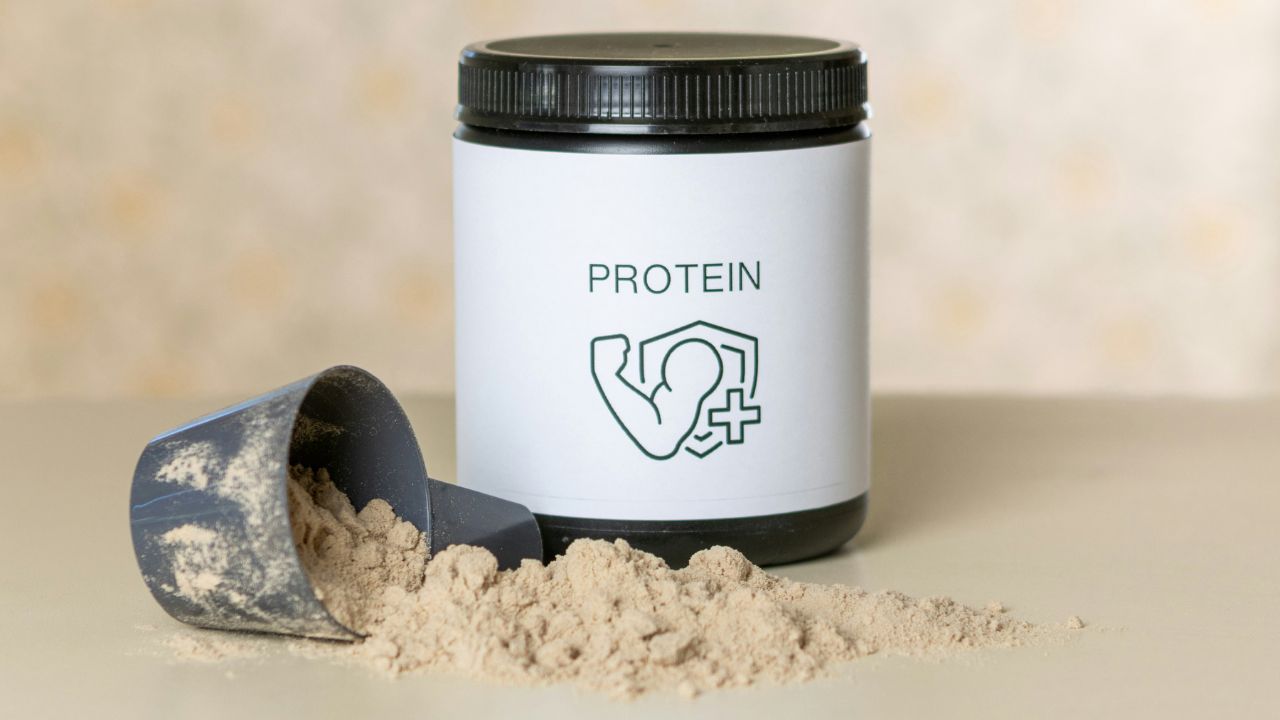
Protein powders have transitioned from niche bodybuilding supplements to everyday kitchen essentials. Whether mixed into a post-workout smoothie or stirred into morning oatmeal, scoops of whey and plant protein promise quick muscle recovery, weight management, and enhanced energy. However, alongside their rise in popularity, a wave of misinformation has left many consumers wondering if these powders are safe. To clear up the confusion, leading clinical dietitians and medical experts bust 10 of the most common myths surrounding protein powder safety and usage.
10 Common Myths On Protein Powders
Myth 1: Protein Powders Cause Kidney Damage In Healthy Adults
Fact: One of the most persistent myths is that high protein intake strains the kidneys. While individuals with pre-existing chronic kidney disease (CKD) must strictly regulate protein intake, research shows that high-protein diets do not impair renal function in healthy adults. According to a comprehensive PMC review on common protein misconceptions, protein intake well above the recommended daily allowance shows no adverse effects on kidney filtration or overall renal health in active individuals.
"For a person with normal renal parameters, consuming dietary protein or supplements within recommended daily limits is entirely safe," explains Dr Deepti Khatuja, Detetician and Clinical nutritionist in Fortis, Gurgaon. "The kidney filtration concern applies primarily to patients with existing kidney compromise, not to healthy individuals."
Myth 2: Protein Powders Are Only For Bodybuilders And Athletes
Fact: You do not need to lift heavy weights to benefit from protein supplements. Protein is an essential macronutrient required for enzyme production, immune support, tissue repair, and hormone balance. Sedentary adults, elderly individuals struggling with sarcopenia (age-related muscle loss), and people recovering from illness often use protein supplements to meet their daily nutritional baselines.
Myth 3: Taking Protein Powder Will Instantly Make Women "Bulky"
Fact: Hypertrophy or significant muscle building requires specific stimulus, heavy progressive overload training, and substantial caloric surpluses alongside high testosterone levels. Women produce significantly lower levels of testosterone than men, making it physiologically impossible to develop a bulky physique simply by adding a scoop of protein powder to their diet. Instead, protein supports lean muscle tone and metabolic health.
Myth 4: All Protein Powders Are Created Equal
Fact: Protein powders differ vastly based on their source, processing, and purity.
- Whey Concentrate: Contains small amounts of lactose and fat.
- Whey Isolate: Highly filtered to remove almost all lactose and fat, making it ideal for lactose-sensitive individuals.
- Plant Proteins: Derived from pea, rice, or hemp; naturally dairy-free and rich in fibre.
Furthermore, ingredient quality varies widely between brands, with some containing high levels of added sugars and artificial fillers.
Myth 5: You Must Drink Your Protein Shake Within 30 Minutes Of Working Out
Fact: The famed "anabolic window"; the idea that you must consume protein within 30 minutes post-workout or lose your gains is largely overblown. While post-workout nutrition is important, overall daily protein intake matters far more than precise timing. Consuming protein within 1 to 2 hours before or after exercise is entirely sufficient for muscle repair.
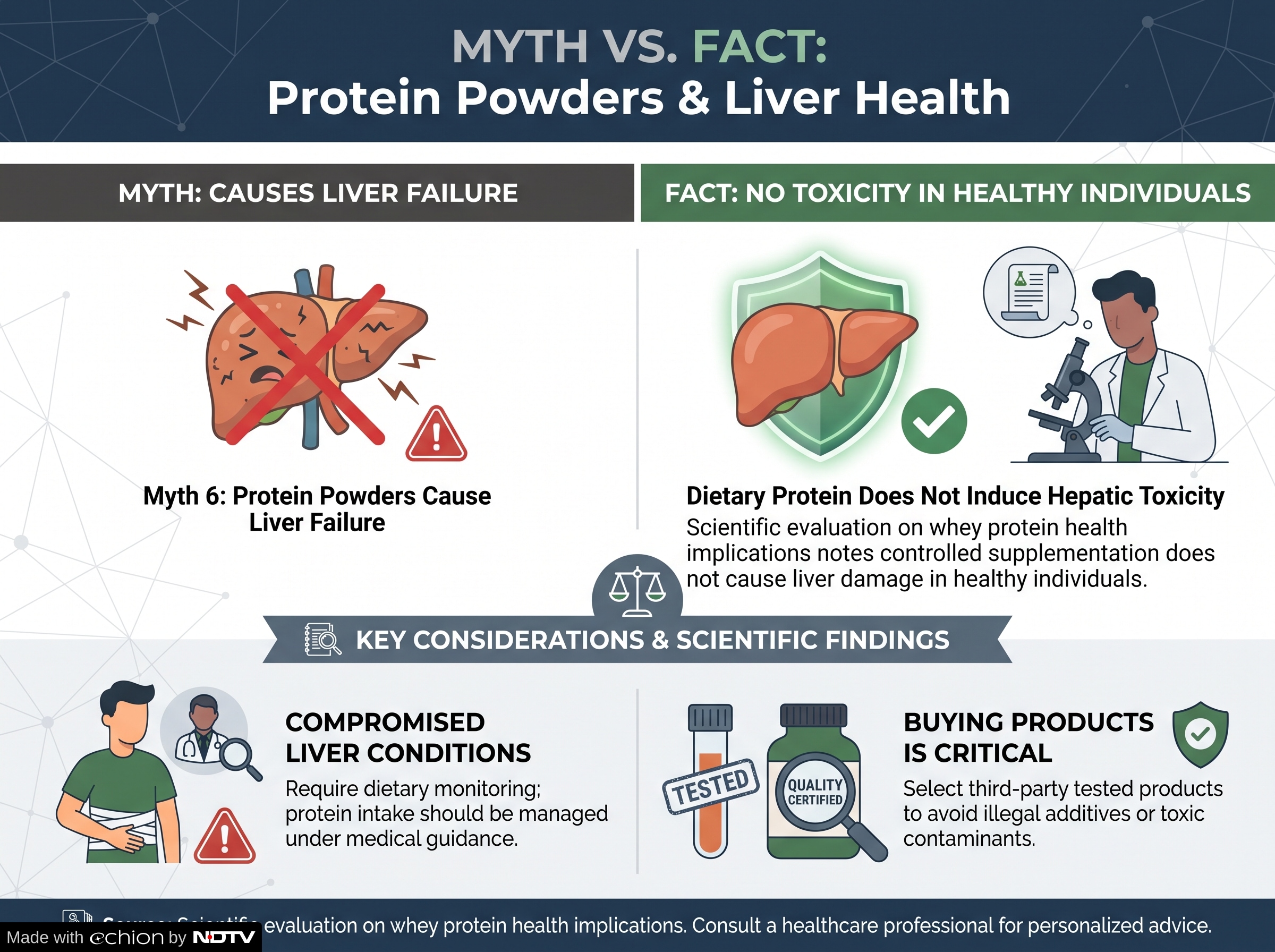
Myth 6: Protein Powders Cause Liver Failure
Fact: In individuals with normal liver function, dietary protein does not induce hepatic toxicity. A scientific evaluation on whey protein health implications notes that while compromised liver conditions require dietary monitoring, controlled protein supplementation does not cause liver damage in healthy individuals. However, buying third-party tested products is critical to avoid illegal additives or toxic contaminants.
Myth 7: You Can Replace Real Food Meals Completely with Protein Powder
Fact: Protein powders are supplements, not food replacements. Whole protein sources such as eggs, chicken, fish, lentils, paneer, and tofu can provide vital micronutrients, dietary fibre, healthy fats, and trace minerals that powders lack.
"Instead of going straight to supplements, the gold standard practice is to ensure you have at least one high-protein whole food in every meal," emphasises Ritika Samaddar, Regional Head-Dietetics, Max Healthcare, New Delhi. "Supplements should only fill the gap when natural food intake falls short of daily requirements."
Myth 8: More Protein Always Means Faster Muscle Growth
Fact: The human body can only process a certain amount of protein per meal for muscle protein synthesis (typically around 25 to 40 grams). Excess protein that exceeds daily caloric requirements is either converted into glucose, stored as body fat, or excreted. Consuming massive quantities of protein powder will not accelerate muscle growth beyond your body's physiological capacity.
Myth 9: Plant-Based Protein Powders Are Ineffective
Fact: A common belief is that plant protein is "inferior" because individual plant sources may lack certain essential amino acids. However, modern plant-based protein powders blend pea, brown rice, and pumpkin seed proteins to create a complete amino acid profile. A clinical study on the efficacy and safety assessment of protein supplements highlights that plant protein formulations offer high digestibility, support weight management, and lower the incidence of metabolic syndrome without triggering dairy sensitivities.
Myth 10: Protein Powders Are Loaded With Dangerous Chemicals
Fact: While the supplement market does contain unregulated products, legitimate brands undergo rigorous quality control. Misleading claims often stem from reports of heavy metal contamination in low-quality powders. Choosing products certified by independent testing organisations (such as FSSAI, NSF Certified for Sport, or Informed-Choice) guarantees safety, purity, and clean label standards.
Protein powders are convenient, highly effective tools to meet your daily protein goals when real food falls short. For healthy adults, consuming 1 to 2 scoops a day alongside a balanced, whole-food diet poses no health risks. Always check label ingredients, avoid unnecessary added sugars, and consult a registered dietitian or doctor if you have underlying medical conditions.
Also Read: 2 Whole Eggs Or 5 Egg Whites: Which Is Better For Weight Loss And Muscle Building?
Disclaimer: This content including advice provides generic information only. It is in no way a substitute for a qualified medical opinion. Always consult a specialist or your own doctor for more information. NDTV does not claim responsibility for this information.