

)
Glioblastoma is an aggressive form of brain cancer which begins in the cells called astrocytes that support the nerve cells. It is one of the deadliest forms of brain cancer. This is also the most common malignant brain tumour in adults and makes up about half of all malignant brain tumours in adults. While there's no cure for glioblastoma, there exists treatment options such as surgery, radiation and chemotherapy which may slow tumour growth and ease symptoms. Researchers are now studying whether high doses of vitamin B3, also known as niacin, could improve treatment outcomes for patients when used alongside standard therapies.
Scientists from the University of Calgary have reported early findings from an ongoing clinical trial. Their research suggests that vitamin B3 may help the body's immune system fight cancer more effectively. Although the results are promising, researchers say that this is still an experimental approach and patients should not start taking high-dose supplements without medical supervision.
What Is Glioblastoma?
Glioblastoma is an aggressive type of brain cancer that develops from cells called glial cells, which support and protect nerve cells in the brain. It is the most common malignant brain tumour in adults and is known for growing quickly and spreading into nearby brain tissue.
People with glioblastoma may experience symptoms such as persistent headaches, seizures, memory problems, difficulty walking, weakness, or changes in speech and behaviour. Even after treatment, the cancer frequently comes back, which is why researchers are searching for better therapies.
How Could Vitamin B3 Help?
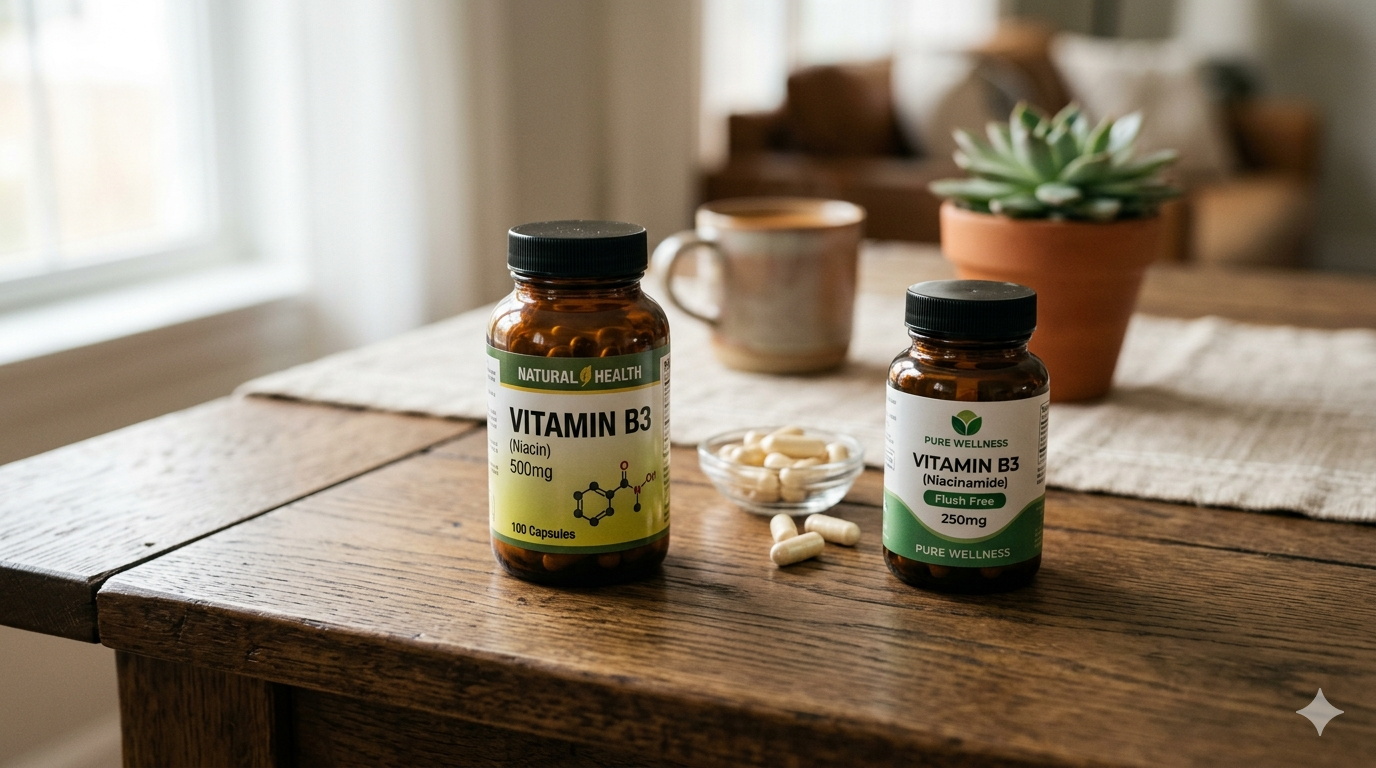
Vitamin B3, or niacin, is an essential nutrient found in foods such as meat, fish, nuts and whole grains. It plays an important role in converting food into energy and supporting healthy cells.
Researchers found that glioblastoma can weaken and suppress the immune system, preventing immune cells from attacking the tumour effectively. According to the new study, high doses of niacin appear to "reawaken" these immune cells, allowing them to recognise and destroy cancer cells again.
Wee Yong, PhD and member of the Hotchkiss Brain Institute and the Arnie Charbonneau Cancer Institute, said, "Normally the immune system will try to counter and prevent tumour growth, however, this brain cancer suppresses the immune system. Niacin treatment rejuvenates immune cells so they can do what they are supposed to do, attack and kill the cancer cells. I see it as an ongoing 'battle for the brain"."
What Did the Clinical Trial Find?
The ongoing Phase I and II clinical trial is examining whether controlled-release niacin can safely be added to standard glioblastoma treatment, which includes surgery, chemotherapy and radiotherapy.
Early results from the first 24 patients were encouraging. Researchers found that 82% of participants showed no signs of disease progression six months after treatment. This was significantly better than expected based on previous studies and showed a notable improvement in progression-free survival.
The study was designed with strict safety goals. Researchers had planned to stop the trial if outcomes did not improve by at least 20% in six months when compared to previous studies. Instead, the early findings exceeded expectations, suggesting that niacin may provide additional benefits when combined with conventional treatment.
Why Are Researchers Cautiously Optimistic?
Although these findings are exciting, scientists caution that the study is still ongoing. Only a small number of patients have been studied so far, and more participants are needed before firm conclusions can be made. Researchers hope to enrol 48 patients before completing the final analysis. Larger studies will also be required to confirm whether niacin truly improves long-term survival and quality of life for patients with glioblastoma.
Another important point is safety. High doses of vitamin B3 can cause serious side effects, including liver damage, stomach problems and other complications. Because of these risks, experts strongly advise against self-medicating with high-dose supplements.
Disclaimer: This content including advice provides generic information only. It is in no way a substitute for a qualified medical opinion. Always consult a specialist or your own doctor for more information. NDTV does not claim responsibility for this information.