

)
Ramadan fasting is a time for spiritual reflection, self-discipline and community bonding. For 30 days, Muslims around the world abstain from food and drink from dawn till sunset. After a long day of fasting, it's tempting to go all out with the iftar spread. However, there are some common mistakes you should avoid making while breaking your fast.
Integrated lifestyle coach Luke Coutinho shares expert tips on how to break your fast the right way so you can nourish your body and stay energised for the rest of the month. In a video shared on Instagram, he says, "Ramadan is not just fasting. It's resetting the body and the heart. And the way you break your fast matters more than most people realise. To my Muslim friends, Ramadan Mubharak. This is said with love, respect, and care for your health. After 12 to 16 hours of fasting, your body is in a very sensitive, very intelligent state. It's ready to heal or it can be shocked. Here are some of the biggest mistakes we make with the best intentions."
How Not To Break Your Fast In Ramadan
1. Breaking the fast with fried food
Fried foods take longer to digest and when eaten on an empty stomach, can trigger stomach discomfort, nausea and cramping. They can also cause severe indigestion, heartburn and sluggishness after a long day.
2. Starting with sweets and sugar
Breaking your fast with sweets, sugary drinks, or desserts triggers a rapid spike in blood sugar followed by a harsh crash. It causes lethargy, increased cravings and potential fat storage.
3. Overeating
Overeating when breaking your fast forces your body to transition too rapidly from a state of conservation to intensive digestion. It can result in several immediate and long-term metabolic issues.
4. Eating too fast without pausing or breathing
"This causes sudden sugar spikes, inflammation, heart stress, and digestive overload," Luke says. It is best to break your fast gradually and mindfully.
Tips To Break Your Fast
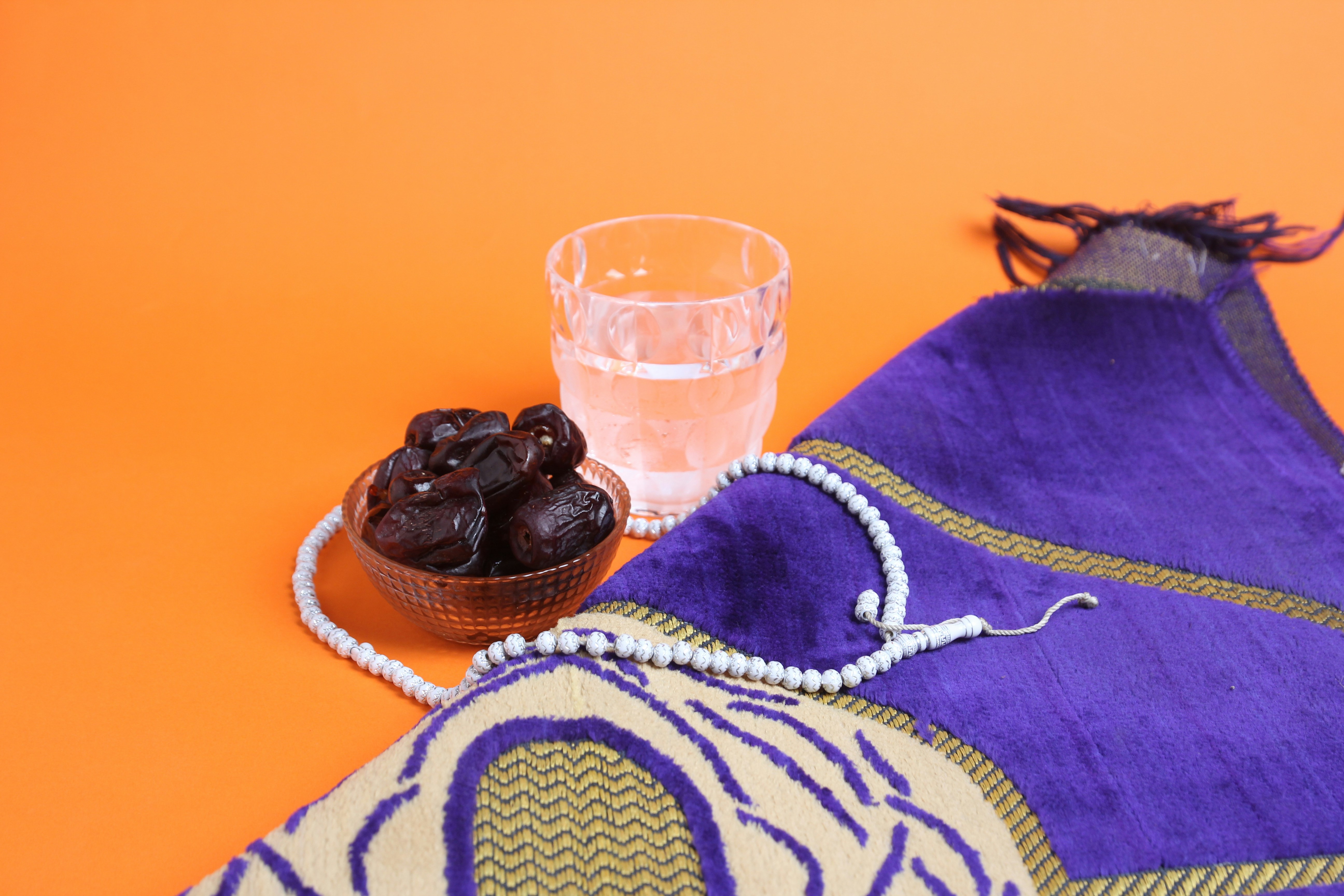
According to the fitness coach, the most traditional and biologically intelligent way to break a fast is also the healthiest. Start slow with one to two dates, followed by water and a moment of stillness. "Dates provide gentle glucose, potassium, and fibre. Not a sugar shock. Pause for 10 minutes. It allows insulin digestion and the nervous system to wake up gently," he adds.
Eat your protein, your vegetables, your healthy fats and low carbs. This keeps the blood sugar stable and supports energy through the night. After fasting, your insulin sensitivity is high. What you eat first sets the tone for blood sugar, inflammation, energy, mood, and sleep.
"Break your fast with intention, with patience, with care. Your body will thank you, your heart will feel lighter, and your fast will truly nourish you," Luke concludes.
Disclaimer: This content including advice provides generic information only. It is in no way a substitute for a qualified medical opinion. Always consult a specialist or your own doctor for more information. NDTV does not claim responsibility for this information.