

)
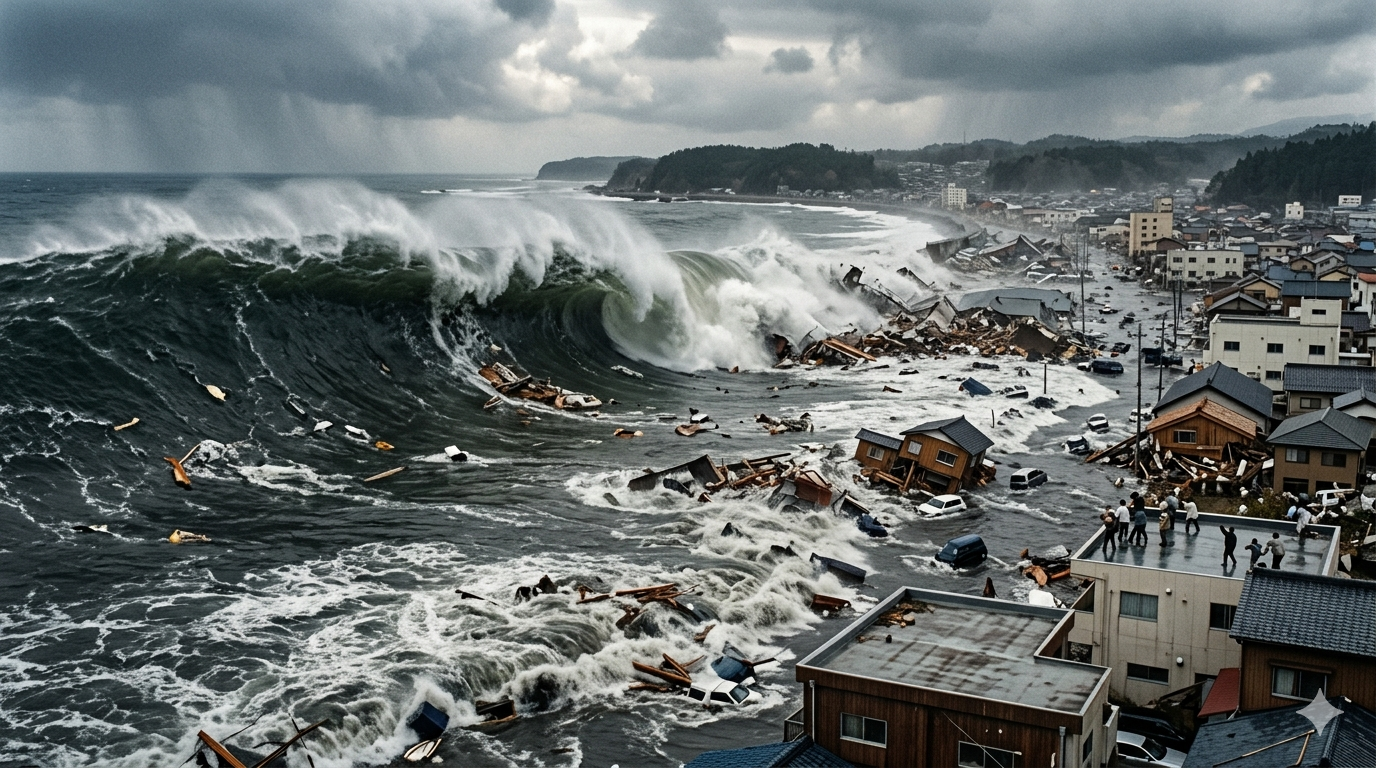
A powerful 7.4-7.5 magnitude earthquake struck northern Japan, triggering tsunami warnings with waves expected up to 3 metres high, forcing authorities to urge people to move to higher ground immediately. Roughly 40 minutes later, a tsunami measuring 80 centimeters struck the port of Kuji in Iwate, according to the Japan Meteorological Agency. Events like this are an important reminder that during a tsunami, survival is not just about escaping the water, but also about protecting your health before, during and after the disaster.
A study published in journal Biomedical Optics Express examined the 2004 Indian Ocean and 2011 Japan tsunamis and identified a condition known as Tsunami Lung, which is a severe form of necrotising pneumonia that develops when individuals inhale saltwater contaminated with mud, sand, and household or industrial chemicals.
Why Tsunamis Are So Dangerous
Tsunamis are not just large waves. They are fast-moving walls of water that can:
- Travel at high speeds
- Flood large coastal areas within minutes
- Carry debris, chemicals and sewage
In past disasters like the 2011 Tohoku, Japan earthquake and tsunami, waves reached extreme heights and caused massive loss of life, highlighting the importance of early precautions. If a person inhales seawater or mud during the wave, it is advised to seek medical attention immediately, even if they seem fine initially. The infection can lead to brain abscesses and systemic illness days later.
Also read: Why Do Earthquakes Make You Feel Dizzy And Nauseous?
Immediate Safety Steps During a Tsunami
As soon as a warning is issued, do not wait. Authorities advise people to evacuate coastal and riverside areas quickly. Head to hills, elevated buildings or designated shelters. Avoid low-lying zones.
Health Precautions You Must Follow
1. Prevent Drowning and Injuries
Tsunami wounds are almost always contaminated with complex marine bacteria belonging to Vibrio species and soil bacteria. Do not "wait and see" with a wound. Wash it with the cleanest water available. According to a study published in European Journal of Trauma and Emergency Surgery, delayed treatment of tsunami-related lacerations often leads to gangrene or amputation.
The biggest immediate risk is drowning or trauma from debris. You need to void walking or driving through floodwater, also do watch out for sharp objects, broken glass, and metal.
2. Protect Yourself From Contaminated Water
Tsunami water is often mixed with sewage, chemicals and waste, increasing infection risk. Avoid direct contact with floodwater, wash hands thoroughly if exposed and use clean drinking water only
3. Stay Hydrated Safely
After a tsunami, clean water supply may be disrupted.
- Drink boiled or bottled water
- Avoid untreated water sources
Contaminated water can lead to diseases like diarrhoea, cholera and infections.
4. Watch for Signs of Infection or Illness
After exposure, monitor for:
- Fever
- Vomiting or diarrhoea
- Skin infections
- Respiratory issues
Seek medical help immediately if symptoms appear.
5. Avoid Electrocution Risks
Flooded areas may contain live electrical wires. Stay away from submerged electrical equipment. Do not enter flooded buildings unless declared safe.
6. Take Care of Mental Health
According to a study published in Indian Journal of Psychiatry, tsunami survivors face significant long-term mental health risks, with Post-Traumatic Stress Disorder (PTSD) being highly prevalent due to direct exposure, loss of loved ones, and displacement. Studies reported PTSD rates ranging from 3.6% to 37% in affected communities, often accompanied by depression and anxiety. Key risk factors include female gender, injury, and severe community destruction Tsunamis are traumatic events. Hence, providing emotional support and staying connected with family is crucial.
Special Precautions for Children and Elderly
These groups are at higher risk of dehydration, infection and injury.
- Keep children close and supervised
- Ensure elderly individuals have medication and support
- Prioritise their evacuation and shelter
What To Do After a Tsunami
1. Avoid Returning Too Soon
Authorities may issue "all clear" signals. Do not return before that.
2. Ensure Safe Food and Water
- Avoid spoiled or contaminated food
- Use clean utensils and water
3. Maintain Hygiene
- Wash hands frequently
- Keep wounds clean and covered
The Role of Early Warnings
Countries like Japan have advanced tsunami warning systems that can alert people within minutes of an earthquake, helping reduce casualties. However, experts stress that quick personal action is just as important as technology. A tsunami can strike within minutes after an earthquake, as seen in the latest Japan incident where authorities urged immediate evacuation. But survival is not just about escaping the waves. It is about staying safe from injuries, infections, contaminated water and long-term health risks. Quick action, awareness and basic precautions can save lives not just during the disaster, but in the critical hours and days after it.
Disclaimer: This content including advice provides generic information only. It is in no way a substitute for a qualified medical opinion. Always consult a specialist or your own doctor for more information. NDTV does not claim responsibility for this information.