

)
Winter feels like “cold-and-cough season” for many parents. The reason isn't just chilly weather: it's a mix of the virus, the host (your child's body), and the environment. Lower temperature and low humidity help some viruses survive and spread. Indoor crowding and poorer ventilation increase exposure and mild drying of the nasal lining can blunt the nose's first line of defence. Public-health studies consistently show winter peaks of respiratory infections in children worldwide, so it's not just parental superstition. Here are some simple hacks to help reduce risk of cold and cough for children.
Practical tips to reduce winter colds and coughs in kids
1. Keep hands clean
Washing hands with soap removes viruses picked up from surfaces or other kids' sneezes. Large recent meta-analyses show handwashing interventions in homes, schools and communities reduce acute respiratory infections in children (and reduce school absence). Make hand-washing a habit: before snacks, after play, after toilet, and after returning home.
2. Teach respiratory etiquette
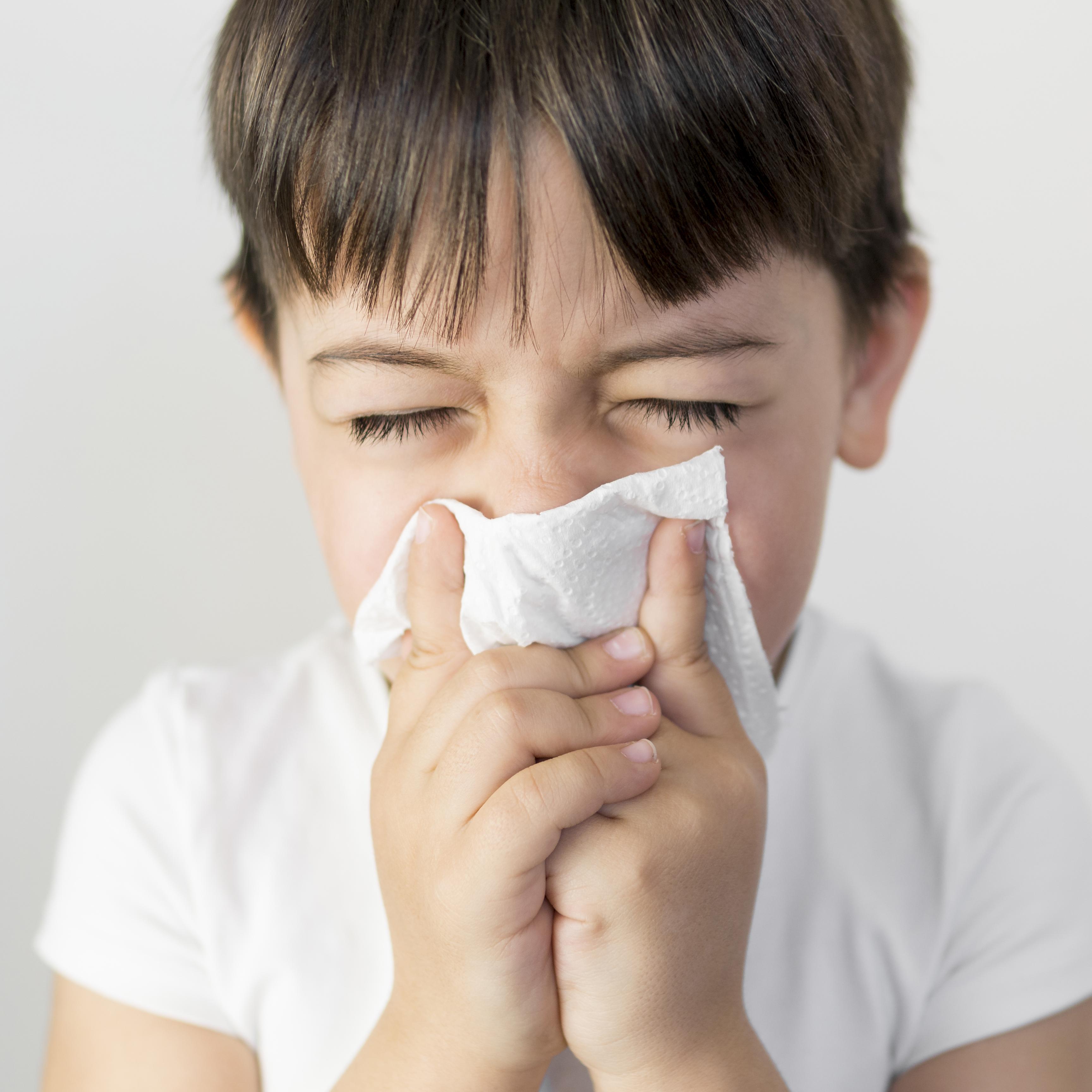
When children cough into their sleeve (or a tissue that is immediately thrown away), fewer droplets land on hands and toys. This simple habit lowers the chance they pass viruses to siblings, classmates or caregivers. Educational nudges in schools and clinics reduce spread in communities.
3. Humidify dry indoor air moderately
Very low indoor humidity helps some respiratory viruses survive and can dry nose lining so it's less able to trap viruses. Using a humidifier to keep indoor relative humidity in a comfortable range may help, but avoid excessive humidity that causes mould. Simple rule: comfortable, not clammy.
4. Keep vaccinations up to date
Vaccines won't prevent every cold, but seasonal influenza and other vaccine-preventable respiratory illnesses can be much more severe in children. Follow national schedules and seek seasonal flu vaccination for eligible ages, it reduces severe disease and hospitalisations.
5. Avoid unnecessary antibiotics
Antibiotics don't work for viruses and their overuse drives antibiotic resistance. If a child has persistent high fever, breathing difficulty, or deterioration, see a doctor but for runny nose, cough, and low-grade fever, symptomatic care is usually right.
6. Encourage a balanced diet, sleep and physical activity
Good nutrition, regular sleep and exercise support a child's immune system. While not a shield against every infection, these measures reduce severity and help recovery. Where nutritional gaps exist, address them with a paediatrician.
7. Consider vitamin D if deficiency is likely
Vitamin-D supplementation in children with documented deficiency reduced winter acute respiratory infections. This is most relevant in children with low sun exposure or documented low vitamin D; blanket high-dose supplementation for everyone is not advised without medical advice. Ask your paediatrician for a test if you're unsure.
8. Clean and disinfect high-touch toys and surfaces in daycare/home
Viruses land on toys, door handles and tabletops. Regular cleaning of frequently touched items, and isolating toys mouthed by younger children until cleaned, lowers fomite (surface) transmission. Daycare infection-control studies support these practical measures.
Winter increases opportunities for viral respiratory infections because the viruses, the indoor habits and children's immune readiness all line up in favour of transmission. Thankfully, many practical, low-cost measures cut risk and severity.
Disclaimer: This content including advice provides generic information only. It is in no way a substitute for a qualified medical opinion. Always consult a specialist or your doctor for more information. NDTV does not claim responsibility for this information.
References
Identification and seasonality of rhinovirus and respiratory viruses in asthmatic children — NCBI / NIH — 2020.
Seasonality and selective trends in viral acute respiratory tract infections — NCBI / NIH — 2015.
Association between viral seasonality and meteorological factors — NCBI / NIH — 2019.
A decrease in temperature and humidity precedes human rhinovirus infections — NCBI / NIH — 2016.
Upper Respiratory Tract Infections — NCBI Bookshelf / NIH — 2023.
Randomized trial of vitamin D supplementation and risk of acute respiratory infection in Mongolia — Pediatrics — 2012.
Effectiveness of handwashing with soap for preventing acute respiratory infections in low-income and middle-income countries: a systematic review and meta-analysis — Lancet — 2023.
Hospital-based surveillance of respiratory viruses among children (seasonal patterns) — NCBI / NIH — 2024.
National guidelines for infection prevention and control (India, NCDC/MoHFW) — NCDC / MoHFW (India) — 2024.
WHO guidance on hand hygiene in community settings — World Health Organization — 2025 (guideline & summary).