

)
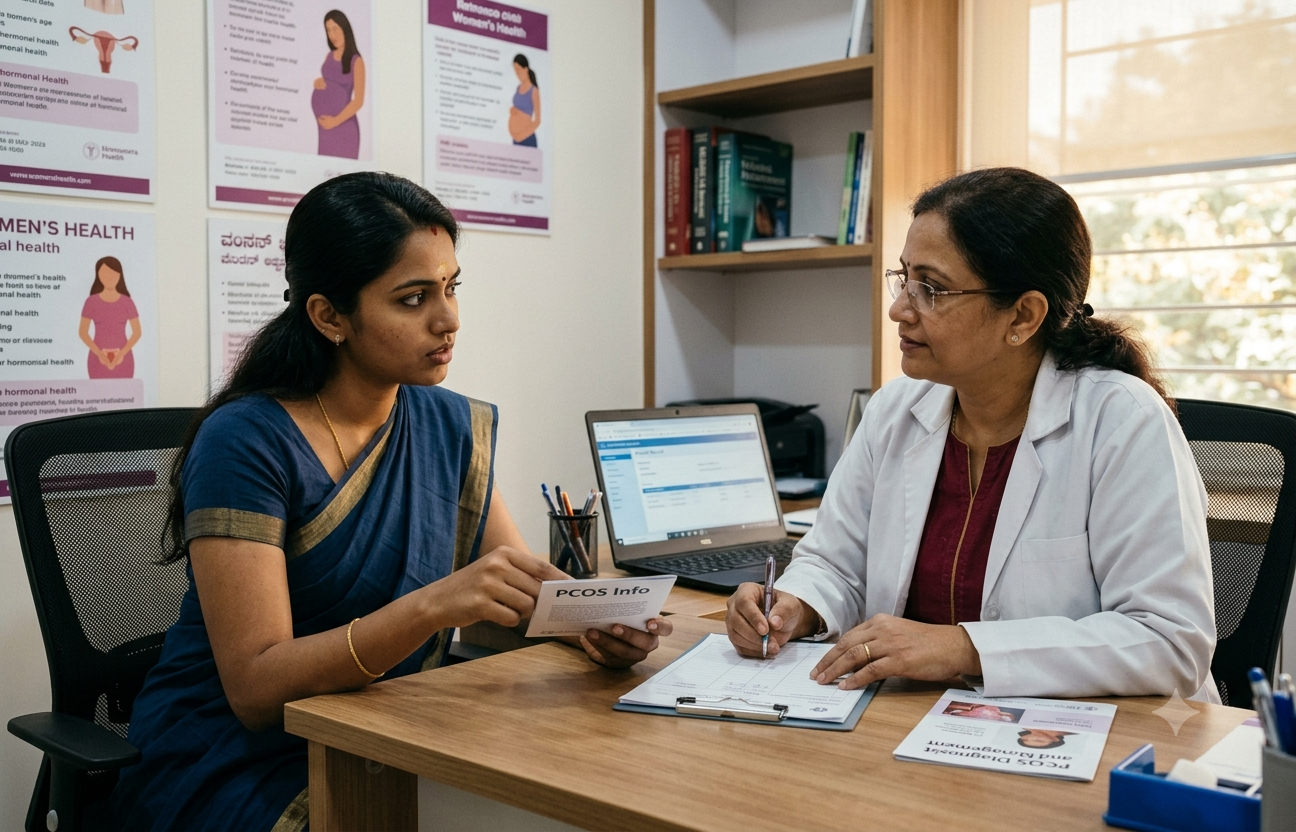
PCOS, or Polycystic Ovarian Syndrome, affects roughly 1 in 10 women, where their endocrine system is compromised. The medical condition also affects overall metabolism, which is why it was renamed as PMOS, or polyendocrine metabolic ovarian syndrome. The rise in the number of cases has made women aware of the possible symptoms that they could experience. One of the causes behind these medical conditions are diet and your daily lifestyle, which could also be used to actually reverse it to a certain extent. The Journal of Clinical Endocrinology and Metabolism suggests that the positive effect on your daily dietary choices and lifestyle could have a positive impact on PMOS, but it depends on the person who is affected.
What Is PCOS?
Previously known as PCOS, the disorder affects women's endocrine, metabolic, and reproductive systems. The most common symptoms of PMOS are as follows:
- Irregular periods
- Excess facial hair
- Acne
- Weight gain
- Difficulty conceiving
The disorder can occur in women who have insulin resistance and makes them more vulnerable to developing symptoms that could impact their quality of life.
Can PCOS Actually Be Reversed?
PCOS can be reversed in rare cases once it is diagnosed, as the complex nature of the disorder means multiple aspects need to be in sync for any positive health outcome.
Remission is possible with a doctor's guidance, and constant attention to your diet and lifestyle is key to tackling the condition.
Most people in the initial phases are able to control their symptoms by practising the proper dietary strategies and lifestyle habits.
Why Strength Training Is Emerging As A Tool For PCOS
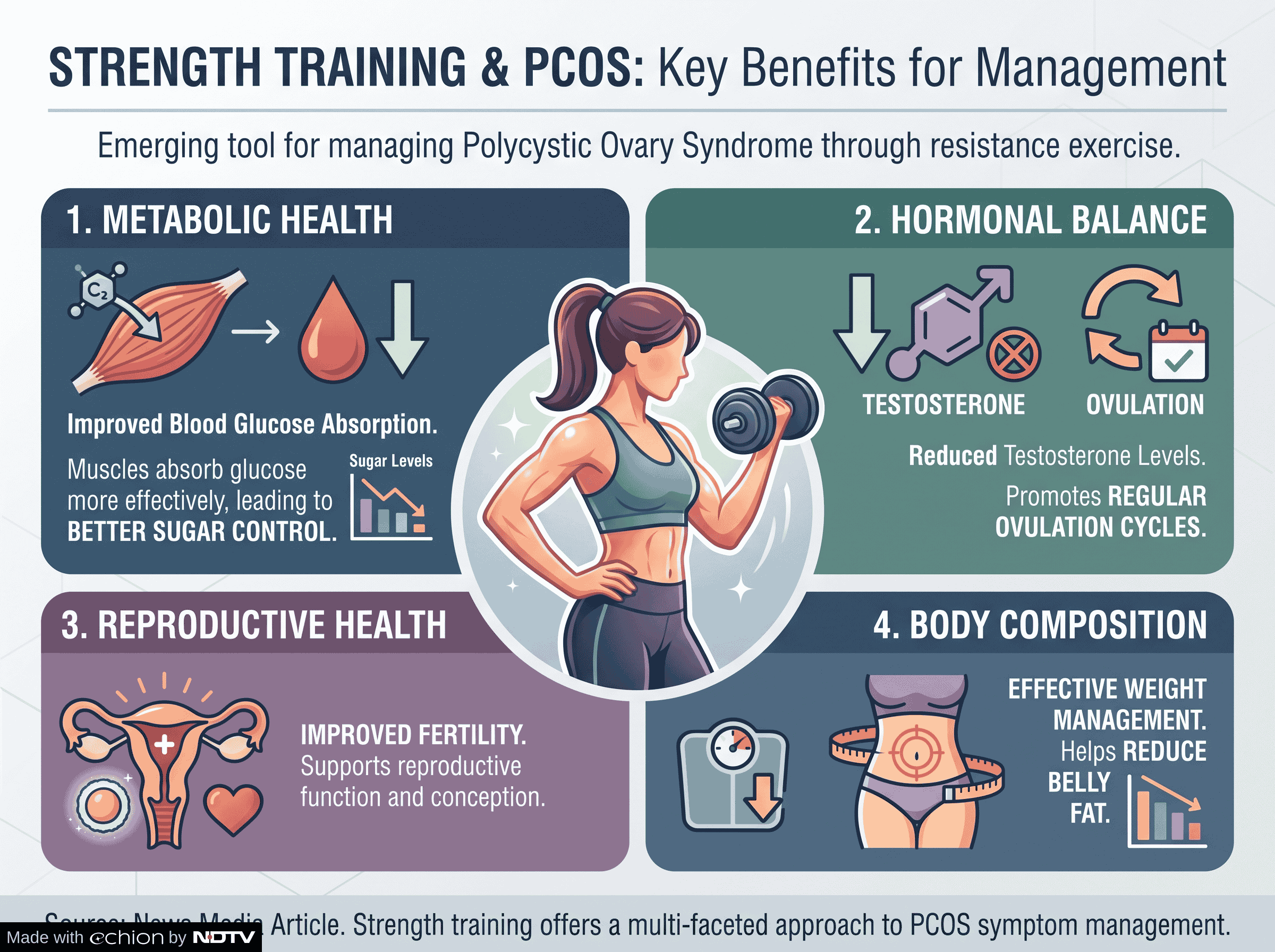
Lifting weights is a tool for managing PCOS, as it can improve blood glucose absorption, as your muscles can absorb it better. The benefits for those who practise strength training and have PCOS could be related to:
- Better sugar control
- Regular ovulation cycles
- Reduced testosterone levels
- Improved fertility
- Effective weight management
- Reduce belly fat
How Diet Influences PCOS Symptoms
Your daily diet can influence PCOS symptoms, as what you eat can affect your blood glucose levels. This can also affect your hormone production ability, ovulation, and weight management, as well as inflammation levels. The Nutrients Journal suggests that the key dietary strategies to follow for better control over PMOS symptoms are:
- Higher protein intake that matches your physical activity levels.
- Fibre-rich foods that could improve your gut health.
- Whole grains that provide plenty of nutrients.
- Fruits and vegetables could provide essential vitamins and minerals needed for optimum health.
- Healthy fats could help make your internal organs healthier.
Foods To Limit
A limit to how much processed and ultra-processed foods need to be drawn to help you make better and healthier food decisions. Here are the foods that should be swapped, especially if you have PMOS:
- Sugary beverages
- Ultra-processed foods
- Refined carbohydrates
What Results Can Women Expect?
When women receive a doctor's guidance for managing their PMOS symptoms, it could result in improvements in the following ways:
- More regular periods
- Better ovulation
- Reduced androgen levels
- Improved fertility
- Better energy levels
- Easier weight management
Timeline For Changes
The exact timeline can vary to notice positive changes for women with PMOS. The severity of the condition can influence how quickly you can manage your symptoms, and actual reversal is possible with strict dietary and lifestyle changes.
Here is an estimated timeline that women with PMOS can expect:
- Within 2 to 6 weeks: Blood sugar improvements and energy levels
- Around 8 to 12 weeks: Weight and body composition can change along with hormonal improvements and menstrual changes.
- Within 3 to 6 months: Your fertility, skin, insulin resistance, and weight management could see an improvement.
Strength Training Tips For Women With PCOS
You need to make strength training a daily practice, as women with PMOS have reduced energy levels. Balance is needed, and you need to follow these tips for women with PMOS:
- Beginner-friendly routine that takes your physical strength and overall energy levels into account.
- Frequency per week can be changed depending on your general tiredness levels.
- Combining strength training with walking or cardio is best for effective results.
- Recovery and sleep considerations need to be made, as those with PMOS need to be healthy but manage their symptoms at the same time.
PMOS can be reversed in rare cases, but remission and management of symptoms are possible with the right medical guidance. Sticking to it is key for long-term positive health impact on the symptoms.
Also Read: PCOS And Insulin Resistance: Why Your Blood Sugar May Matter More Than You Think
Disclaimer: This content including advice provides generic information only. It is in no way a substitute for a qualified medical opinion. Always consult a specialist or your own doctor for more information. NDTV does not claim responsibility for this information.